Full Spectrum Grow Lights: Mimicking Sunlight to Unlock Optimal Plant Growth
In the world of indoor gardening and commercial horticulture, the quest for lighting that replicates the full power and diversity of natural sunlight has led to the development of full spectrum grow lights. Unlike traditional grow lights that focus on narrow wavelength ranges (such as red and blue light alone), full spectrum grow lights emit a comprehensive range of light wavelengths-spanning from ultraviolet (UV) and visible light (400–700nm, the Photosynthetically Active Radiation, or PAR, range) to near-infrared (NIR) light. This design mirrors the sun's natural output, providing plants with the complete light "diet" they need to thrive at every stage of growth. From seedlings to flowering and fruiting, full spectrum grow lights have become a cornerstone of successful indoor plant cultivation, offering benefits that extend beyond basic photosynthesis to include improved plant health, higher yields, and enhanced nutrient content. This article explores the science behind full spectrum grow lights, their key features, advantages, ideal applications, and how to choose and use them effectively.
The Science of Full Spectrum Light: Why Plants Need More Than Just Red and Blue
To understand the value of full spectrum grow lights, it's essential to first unpack how plants interact with light. For decades, indoor gardeners relied on grow lights that focused primarily on red (600–700nm) and blue (400–500nm) light-two wavelengths critical for photosynthesis. While these "two-band" lights can support basic plant growth, they fail to account for the full complexity of how plants use light. Natural sunlight, by contrast, is a spectrum of wavelengths, each playing a unique role in plant development:
Ultraviolet (UV) Light (280–400nm): Though often overlooked, UV light (specifically UVA, 320–400nm) is vital for plant resilience. It triggers the production of protective compounds like flavonoids and anthocyanins, which enhance a plant's resistance to pests, diseases, and environmental stress (such as drought or temperature fluctuations). UV light also influences leaf thickness and color, making plants more robust and visually vibrant.
Visible Light (400–700nm, PAR Range): This is the primary range for photosynthesis, but within it, wavelengths beyond red and blue contribute significantly:
Violet (400–450nm): Works with blue light to promote strong root growth and chlorophyll synthesis, especially in young seedlings.
Green (500–600nm): Contrary to the old myth that "plants don't use green light," recent research shows green light penetrates deeper into plant canopies, supporting photosynthesis in lower leaves. It also regulates stomatal opening (controlling gas exchange) and helps prevent "shade avoidance" responses (like leggy growth) in dense plantings.
Yellow/Orange (580–620nm): Enhances overall photosynthetic efficiency by complementing red and blue light, particularly in flowering plants where it supports bud development.
Near-Infrared (NIR) Light (700–1000nm): NIR light is not used for photosynthesis directly, but it plays a key role in plant growth regulation. It promotes stem elongation (helping plants reach light in natural settings), accelerates seed germination, and aids in post-harvest preservation (extending the shelf life of herbs and vegetables). NIR light also interacts with plant hormones like auxins, influencing cell division and growth.
Full spectrum grow lights are engineered to include all these wavelengths, creating an environment that closely mimics the sun. This holistic approach ensures plants receive the signals and energy they need to grow naturally-just as they would outdoors-without the limitations of narrow-spectrum lighting.
Key Features of High-Quality Full Spectrum Grow Lights
Not all full spectrum grow lights are created equal. High-quality models are distinguished by features that ensure they deliver consistent, effective light while remaining efficient and durable. Below are the critical characteristics to look for:
1. Comprehensive Wavelength Coverage
A true full spectrum grow light should cover the entire range from 380nm (UVA) to 780nm (NIR), with balanced intensity across key bands. Cheaper "full spectrum" lights may claim to cover these ranges but often have weak output in critical wavelengths (such as UV or green light), reducing their effectiveness. Look for lights with published spectral charts-these graphs show the intensity of light emitted at each wavelength, verifying that the light is truly comprehensive.
For example, a premium full spectrum LED grow light might have the following intensity distribution:
UVA (380–400nm): 5–10% of total output (to support plant resilience)
Blue/Violet (400–500nm): 20–25% (for root and leaf growth)
Green/Yellow (500–600nm): 15–20% (for canopy penetration and stress regulation)
Red/Orange (600–700nm): 30–35% (for flowering and fruiting)
NIR (700–780nm): 10–15% (for growth regulation and germination)
2. High PAR Output and Efficacy
PAR output (measured in μmol/m²/s) is the amount of light in the 400–700nm range available for photosynthesis. High-quality full spectrum grow lights should have a PAR output tailored to the plants being grown:
Seedlings/Herbs: 100–300 μmol/m²/s
Vegetative Plants (e.g., leafy greens): 300–500 μmol/m²/s
Flowering/Fruiting Plants (e.g., tomatoes, cannabis): 500–1000+ μmol/m²/s
Equally important is PAR efficacy (measured in μmol/J), which quantifies how efficiently the light converts electricity into PAR. Top-tier full spectrum LED grow lights have an efficacy of 2.5 μmol/J or higher-meaning they produce more usable light per watt of energy, reducing electricity costs.
3. Adjustable Intensity and Spectrum (Optional)
Many advanced full spectrum grow lights offer adjustable intensity (dimming) and spectrum controls. Dimming allows users to match light levels to plant growth stages-for example, lower intensity for seedlings to avoid burn, and higher intensity for mature flowering plants. Spectrum adjustment lets gardeners tweak the balance of wavelengths (e.g., increasing red light during flowering or UV light to boost plant resilience), providing flexibility for different plant types.
4. Low Heat Output and Efficient Thermal Management
Excessive heat can damage plants, dry out soil, and shorten the lifespan of grow lights. Full spectrum LED grow lights (the most common type) produce far less heat than traditional HID (High-Intensity Discharge) lights, thanks to their efficient energy conversion. High-quality models also include thermal management features like aluminum heat sinks, built-in fans, or passive cooling systems to dissipate heat evenly, ensuring the light stays cool to the touch even after hours of use.
5. Durable Construction and Long Lifespan
Full spectrum grow lights are an investment, so durability matters. Look for lights with:
Aluminum or Polycarbonate Casings: These materials are lightweight, impact-resistant, and help with heat dissipation.
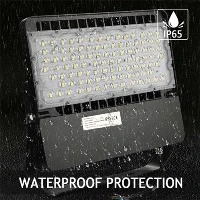
Waterproof/Rustproof Ratings: For use in humid environments (e.g., greenhouses or hydroponic setups), choose lights with an IP65 or higher rating to prevent water damage.
Long Lifespan: LED-based full spectrum grow lights typically last 50,000–100,000 hours-5–10 times longer than HID or fluorescent lights. This reduces replacement costs and waste.
6. Energy Efficiency
Full spectrum LED grow lights are highly energy-efficient, consuming 50–75% less electricity than HID lights of similar PAR output. For example, a 100W full spectrum LED grow light can produce the same PAR as a 250W HID light, cutting energy bills significantly. This efficiency is especially important for commercial growers or home gardeners who run lights for 12–18 hours a day.
Benefits of Using Full Spectrum Grow Lights

The comprehensive light output of full spectrum grow lights translates to a range of benefits for plants and growers alike, making them a superior choice for most indoor gardening applications.
1. Supports All Stages of Plant Growth
One of the biggest advantages of full spectrum grow lights is their versatility-they can support plants from seedling to harvest without the need to switch lights. For example:
Seedlings: The blue and UV light in full spectrum lights promotes strong root development and compact growth, preventing leggy stems.
Vegetative Stage: Green and blue light support lush leaf growth, while red light encourages sturdy stem development.
Flowering/Fruiting Stage: Increased red and orange light triggers bud formation and fruit development, while NIR light enhances flower size and quality.
This eliminates the hassle of changing lighting setups between growth stages, simplifying indoor gardening for both beginners and experts.
2. Improves Plant Health and Resilience
The UV and NIR components of full spectrum light boost plant health by strengthening their natural defenses. UV light stimulates the production of antioxidants and protective compounds, making plants more resistant to pests (like aphids and spider mites) and diseases (such as powdery mildew). NIR light, meanwhile, helps plants recover from stress (e.g., transplant shock or drought) by regulating hormone levels and accelerating cell repair.
Studies have shown that plants grown under full spectrum light have thicker leaves, stronger stems, and more robust root systems compared to those grown under narrow-spectrum lights. This resilience is especially valuable for commercial growers, who rely on healthy plants to maximize yields.
3. Enhances Yield and Nutrient Content
For edible plants (e.g., herbs, vegetables, fruits), full spectrum grow lights can increase both yield and nutrient density. The balanced light spectrum optimizes photosynthesis, allowing plants to produce more energy and allocate more resources to fruit or leaf production. For example:
Herbs (basil, mint): Full spectrum light increases leaf volume and enhances flavor compounds (like menthol in mint).
Vegetables (tomatoes, lettuce): Yields can increase by 20–30% compared to narrow-spectrum lights, and levels of vitamins (A, C) and antioxidants (lycopene in tomatoes) are higher.
Flowering Plants (orchids, roses): Full spectrum light produces more blooms, longer flower lifespan, and more vibrant colors.
This benefit is a game-changer for home gardeners seeking fresh, nutrient-rich produce year-round and commercial growers looking to improve profitability.
4. Reduces Light Stress and "Shade Avoidance"
Narrow-spectrum lights (e.g., all-red or all-blue) can cause light stress in plants, leading to abnormal growth patterns like stunted leaves or uneven branching. Full spectrum light, by contrast, mimics natural sunlight, reducing stress and preventing "shade avoidance" responses. Shade avoidance occurs when plants detect a lack of green light (a sign of being shaded by other plants) and respond by growing taller (leggy) to reach more light. Full spectrum lights provide ample green light, signaling to plants that they have enough space and light, resulting in more compact, balanced growth.
5. Simplifies Setup and Reduces Maintenance
Because full spectrum grow lights work for all growth stages, growers don't need to invest in multiple lighting systems (e.g., one for vegetative growth, one for flowering). This reduces upfront costs and simplifies setup. Additionally, full spectrum LED grow lights have long lifespans and low heat output, meaning less frequent bulb replacements and no need for additional cooling systems (like fans or vents). This low-maintenance design saves time and money for both home and commercial users.
Ideal Applications for Full Spectrum Grow Lights
Full spectrum grow lights are versatile and can be used in a wide range of indoor gardening setups, from small home gardens to large commercial operations. Below are the most common applications:
1. Home Indoor Gardens
For home gardeners, full spectrum grow lights are perfect for:
Windowsill Gardens: Supplementing natural light for herbs (basil, parsley) or small vegetables (microgreens, cherry tomatoes) in apartments or homes with limited sunlight.
Grow Tents: Creating a controlled environment for larger plants (e.g., tomatoes, peppers) or flowering plants (orchids, cannabis) year-round.
Plant Shelves/Cabinets: Illuminating collections of houseplants (e.g., pothos, succulents, calatheas) that require more light than indoor spaces can provide.
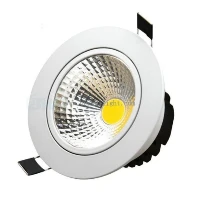
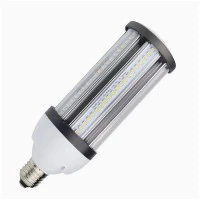
Bulb-style or panel-style full spectrum grow lights are ideal for home use, as they are compact, easy to install, and energy-efficient.
2. Commercial Horticulture
Commercial growers rely on full spectrum grow lights to maximize yields and quality in:
Vertical Farms: These indoor farms use stacked growing trays to save space, and full spectrum lights are essential for ensuring even light distribution across all layers. Vertical farms growing leafy greens (lettuce, kale) or herbs use full spectrum LED lights to produce consistent, high-quality crops year-round.
Greenhouses: While greenhouses get natural sunlight, full spectrum grow lights are used to supplement light during winter, overcast days, or for crops that require extra light (e.g., tomatoes, cucumbers). They can also extend the growing season, allowing growers to start seedlings earlier or harvest later.
Cannabis Cultivation: Cannabis requires specific light wavelengths to produce high-quality buds, and full spectrum lights are the gold standard. They support healthy vegetative growth and optimize cannabinoid (THC, CBD) production during flowering.
3. Research and Education
Full spectrum grow lights are widely used in botanical research labs and schools to study plant growth and development. Their ability to replicate natural sunlight allows researchers to control light conditions precisely, testing how different wavelengths affect plant health, nutrient uptake, and stress responses. In classrooms, they are used to teach students about photosynthesis and plant biology, providing a hands-on way to observe plant growth.
4. Urban Agriculture
As urbanization increases, more people are turning to urban agriculture (e.g., community gardens, rooftop farms) to grow food locally. Full spectrum grow lights enable urban farmers to grow crops in spaces with limited sunlight (e.g., underground gardens, indoor community centers), making fresh produce accessible to city dwellers.
How to Choose the Right Full Spectrum Grow Light

Choosing the right full spectrum grow light depends on your specific needs, including the type of plants you're growing, the size of your growing space, and your budget. Below is a step-by-step guide to help you make an informed decision:
1. Identify Your Plant Type and Growth Stage
Different plants have different light requirements, so start by considering what you'll be growing:
Low-Light Plants (pothos, snake plants): Need 100–200 μmol/m²/s PAR. A small, low-wattage full spectrum bulb (15–30W) is sufficient.
Medium-Light Plants (herbs, leafy greens): Need 200–500 μmol/m²/s PAR. A 30–60W full spectrum panel or bulb works well.
High-Light Plants (tomatoes, cannabis, flowering plants): Need 500–1000+ μmol/m²/s PAR. A high-wattage full spectrum LED panel (100–200W) or fixture is required.
Also, consider if you'll be growing plants from seed to harvest (choose a light with adjustable intensity) or focusing on one stage (e.g., only flowering).
2. Calculate Your Growing Space Size
The size of your growing area determines the number and type of full spectrum grow lights you need. Measure the length and width of your space to find the square footage, then use the following guidelines:
1–2 sq ft (e.g., a windowsill herb garden): 1x 15–30W full spectrum bulb or small panel.
3–5 sq ft (e.g., a small grow tent): 1x 60–100W full spectrum panel.
6–10 sq ft (e.g., a medium grow tent or plant shelf): 2x 60–100W panels or 1x 150–200W panel.
10+ sq ft (e.g., a large grow tent or greenhouse): Multiple high-wattage panels (200W+) or commercial-grade fixtures.
Ensure the light's coverage area (provided by the manufacturer) matches your space. Most full spectrum lights have a coverage area of 1–5 sq ft at optimal height (12–24 inches above plants).

3. Check PAR Output and Efficacy
Always verify the PAR output and efficacy of the light. Look for published PAR data (not just lumen counts-lumens measure brightness for humans, not plants) and choose a light with an efficacy of 2.0 μmol/J or higher. For high-light plants, prioritize lights with a PAR output of 500+ μmol/m²/s at the recommended height.
4. Consider Additional Features
Depending on your needs, look for these optional features:
Dimming: Essential for adjusting light levels across growth stages.
Spectrum Adjustment: Useful if you grow multiple plant types (e.g., herbs and flowering plants).
Built-in Timer: Automates light cycles (e.g., 12 hours on, 12 hours off for flowering), ensuring consistency.
Waterproof Rating: Required for humid environments like greenhouses or hydroponic setups.
5. Set a Budget
Full spectrum grow lights range in price from \(20 (small bulbs) to \)500+ (commercial-grade panels). While it's tempting to choose a cheap model, investing in a high-quality light will save money in the long run due to lower energy costs and longer lifespan.
https://www.benweilight.com/lighting-tube-bulb/full-spectrum-grow-lights.html
Together, we make it better.
Shenzhen Benwei Lighting Technology Co.,Ltd
Mobile/Whatsapp :(+86)18673599565
Email:bwzm15@benweilighting.com
Skype: benweilight88
Web: www.benweilight.com
Add:F Building,Yuanfen Industrial Zone,Longhua,Bao'an District,Shenzhen, China