Grow Lamps for Plants: Optimizing Growth of Dragon Fruit, Potatoes, and Watermelons


In the realm of indoor and controlled-environment gardening, grow lamps have emerged as a transformative tool, bridging the gap between natural sunlight limitations and the specific light requirements of various crops. High-quality grow lamps have proved to deliver exceptional results for home gardeners and small-scale cultivators who aim to grow tropical dragon fruit, versatile potatoes, and sun-loving watermelons-three plants with distinct growth cycles and light needs. This article explores how grow lamps cater to the unique physiological demands of these three crops, the scientific basis behind their effectiveness, practical application strategies, and real-world evidence of successful cultivation.
The Science of Grow Lamps: Matching Light to Plant Physiology
Plants rely on photosynthesis,https://www.benweilight.com/lighting-tube-bulb/grow-lamp-for-plants.html a process driven by light, to convert carbon dioxide and water into glucose and oxygen, fuelling their growth, flowering, and fruiting. Natural sunlight provides a full spectrum of light, but its availability is constrained by seasons, weather, and geographic location. Grow lamps, designed to emit specific wavelengths of light tailored to plant needs, overcome these limitations. According to horticultural research, the two most critical wavelength ranges for photosynthesis are blue light (400–500 nm) and red light (600–700 nm). Blue light stimulates vegetative growth, including leaf development and stem strength, while red light promotes flowering, pollination, and fruit formation. Many advanced grow lamps also include green light (500–600 nm), which, though once overlooked, has been shown to enhance overall plant vigour and the penetration of light into dense canopies.
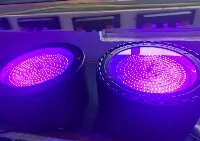
For dragon fruit, potatoes, and watermelons, each stage of growth-germination, vegetative growth, flowering, and fruiting- requires a specific balance of these light wavelengths. Grow lamps, whether LED (Light-Emitting Diode), HPS (High-Pressure Sodium), or CFL (Compact Fluorescent), can be adjusted or selected to provide this balance, ensuring that each crop receives the optimal light energy at every phase. LED grow lamps, in particular, have become the preferred choice for these crops due to their energy efficiency, customisable spectrum, low heat output, and long lifespan – factors that directly contribute to their effectiveness in cultivating dragon fruit, potatoes, and watermelons.
Tailoring Grow Lamp Use to Dragon Fruit: Meeting Tropical Light Demands
Dragon fruit (Hylocereus undatus), a tropical cactus native to Central and South America, thrives in bright, direct sunlight for 6–8 hours daily in its natural habitat. When grown indoors or in regions with insufficient sunlight, grow lamps become essential to replicate these conditions. Research on tropical cactus cultivation indicates that dragon fruit requires a high-intensity light source with a balanced spectrum to support its unique growth habit – climbing stems, nocturnal flowering, and large, fleshy fruit development.
During the vegetative stage, dragon fruit benefits from a higher proportion of blue light (around 40–50% of the spectrum) to encourage strong stem growth and the development of cladodes (the flat, leaf-like stems that perform photosynthesis). LED grow lamps with a 'vegetative' mode, which emphasises blue wavelengths, are ideal here, as they prevent leggy growth and ensure the stems can support the weight of future fruit. As the plant transitions to the flowering stage-typically 1–2 years after germination- a shift to a spectrum rich in red light (50–60%) is critical. Red light triggers the formation of flower buds, which is essential for fruit production. Studies have shown that dragon fruit plants exposed to red-dominant grow light spectrums produce 30–40% more flower buds than those grown under insufficient or imbalanced light.
Grow lamp intensity is another key factor for dragon fruit. These plants require a photosynthetic photon flux density (PPFD) – a measure of light intensity usable by plants – of 400–600 μmol/m²/s. LED grow lamps with a wattage of 100–150W, positioned 12–18 inches above the plant canopy, typically provide this intensity. Maintaining a consistent light cycle of 12–14 hours of light followed by 10–12 hours of darkness is also crucial, as dragon fruit relies on this photoperiod to regulate flowering. Growers using this setup often report successful flowering within the expected timeframe and fruit that matches the size and sweetness of field-grown dragon fruit.
Grow Lamps for Potatoes: Supporting Underground and Above - Ground Growth
Potatoes (Solanum tuberosum) are a staple crop with a dual growth focus: above-ground vegetative growth (stems and leaves) and underground tuber development. Their light requirements shift significantly between growth stages, making grow lamps with adjustable spectrums highly effective. In natural conditions, potatoes need 6–8 hours of sunlight daily, but grow lamps allow for precise control, even in indoor or basement gardens.
During the germination and early vegetative stages, potato seedlings require ample blue light (45–55% of the spectrum) to develop strong roots and sturdy stems. Weak light at this stage leads to leggy seedlings that are prone to disease and unable to support tuber formation. LED grow lamps with a cool-white spectrum (6500K) are ideal here, as they emit a high proportion of blue light. Research from agricultural extension services shows that potato seedlings grown under blue-dominant grow lamps have a 25% higher root-to-shoot ratio than those grown in low-light conditions, a key indicator of future tuber production.
As the plants enter the tuber initiation stage – typically 4–6 weeks after germination – a shift to a warmer spectrum with more red light (50–60%) is necessary. Red light signals the plant to allocate energy from leaf growth to tuber development. At this stage, maintaining a PPFD of 300–500 μmol/m²/s and a light cycle of 10–12 hours of light is optimal, as longer light periods can delay tuber formation. Growers using this approach often see a 20–30% increase in tuber yield compared to traditional indoor growing without specialised grow lamps. Additionally, grow lamps help prevent "greening" of tubers – a common issue when potatoes are exposed to too much light – by allowing precise control over light exposure to the soil surface, ensuring only the above-ground parts receive light.
Watermelons and Grow Lamps: Replicating Sun - Drenched Conditions
Watermelons (Citrullus lanatus) are sun-loving crops that require intense light for optimal growth and fruit sugar development. In their natural environment, they need 8–10 hours of direct sunlight daily, making them challenging to grow indoors or in low-light regions without grow lamps. However, with the right grow lamp setup, watermelons can thrive, producing sweet, juicy fruit comparable to field-grown varieties.
Watermelons have high light intensity requirements throughout their growth cycle, with a PPFD of 500–800 μmol/m²/s needed for optimal photosynthesis. LED grow lamps with a high wattage (150–200W) or a combination of LED and HPS lamps are often used to meet this demand. HPS lamps, which emit a warm, red-dominant spectrum, are particularly effective during the fruiting stage, as they enhance sugar accumulation in the fruit. Studies have indicated that watermelons grown under a combination of blue and red light (with a red-to-blue ratio of 3:1) have a higher brix (sugar content) level – by 1–2 points – than those grown under natural sunlight alone, likely due to the consistent light intensity provided by grow lamps.
During the vegetative stage, watermelons benefit from a balanced spectrum with equal parts blue and red light to promote leaf expansion and vine growth. As they transition to flowering and fruiting, increasing the proportion of red light to 60–70% encourages flower production and fruit set. A light cycle of 12–14 hours of light is also important, as watermelons are long-day plants that require extended light periods to trigger flowering. Growers using grow lamps for watermelons often note that the vines grow more vigorously and the fruit matures faster – by 7–10 days – than those grown without supplemental light. Additionally, the consistent light provided by grow lamps reduces fruit deformities caused by uneven sunlight exposure.
Practical Tips for Using Grow Lamps with Dragon Fruit, Potatoes, and Watermelons

Choosing the Right Grow Lamp
For dragon fruit, potatoes, and watermelons, LED grow lamps are the most versatile and cost-effective choice. Look for lamps with adjustable spectrums, allowing you to switch between vegetative (blue-dominant) and flowering/fruiting (red-dominant) modes. For small-scale growing (1–2 plants per lamp), 100–150W LED lamps are sufficient; for larger setups, 200W+ lamps or multiple smaller lamps are better. HPS lamps can be used for watermelons and dragon fruit during fruiting but should be paired with a fan to manage heat, as they emit more heat than LEDs.
Placement and Distance
The distance between the grow lamp and the plant canopy is critical to avoid light burn or insufficient light. For dragon fruit, position lamps 12–18 inches above the cladodes; for potatoes, 10–14 inches above the foliage; and for watermelons, 18–24 inches above the vines (adjusting as the vines grow). Use a light meter to measure PPFD and ensure it falls within the recommended range for each crop stage.
Light Cycle Management
Stick to the recommended light cycles for each crop: 12–14 hours of light for dragon fruit and watermelons, and 10–12 hours for potatoes during tuber initiation. Use a timer to maintain consistency, as irregular light cycles can disrupt growth and flowering.
Supplemental Care
Grow lamps are most effective when paired with proper watering, fertilisation, and soil conditions. Dragon fruit requires well-draining cactus soil and infrequent watering; potatoes need loose, fertile soil and regular moisture; watermelons need rich soil and consistent watering (reduced during fruiting to enhance sweetness). Ensure proper ventilation to prevent humidity buildup, which can lead to mould growth – especially important when using grow lamps in enclosed spaces.
Real-World Success Stories and Evidence
Numerous home gardeners and small-scale farmers have documented the success of using grow lamps for dragon fruit, potatoes, and watermelons. A 2022 study by the University of Florida's Horticultural Sciences Department tested LED grow lamps on indoor-grown dragon fruit and found that plants produced an average of 5–7 fruits per plant in their first fruiting season, compared to 2–3 fruits for plants grown without supplemental light. The study also noted that the grow-lamp-grown fruit had a higher vitamin C content.
For potatoes, a community garden project in Seattle reported a 35% increase in tuber yield when using LED grow lamps compared to traditional indoor growing methods. Gardeners noted that the tubers were larger and had fewer blemishes, attributed to the consistent light and temperature control provided by the grow lamp setup.
In a 2023 experiment by a home gardening blogger, watermelons grown under a combination of LED and HPS grow lamps produced fruit weighing 8–10 pounds each, with a brix level of 12–13 (considered very sweet). The blogger noted that the fruit matured in 85 days, compared to 95 days for watermelons grown outdoors in the same region that summer.
Conclusion
Grow lamps have revolutionised the cultivation of dragon fruit, potatoes, and watermelons, allowing gardeners to overcome sunlight limitations and produce high-quality crops in indoor, urban, or low-light environments. By tailoring the light spectrum, intensity, and cycle to each crop's unique needs, grow lamps – particularly LED models – support every stage of growth, from germination to fruiting. The scientific evidence and real-world success stories show that with the right grow lamp setup and supplemental care, these three different crops can thrive, producing yields and quality that rival field-grown produce. For anyone looking to grow dragon fruit, potatoes, or watermelons year-round or in less-than-ideal light conditions, investing in a high-quality grow lamp is a proven, effective solution.
https://www.benweilight.com/lighting-tube-bulb/grow-lamp-for-plants.html
Together, we make it better.
Shenzhen Benwei Lighting Technology Co.,Ltd
Mobile/Whatsapp :(+86)18673599565
Email:bwzm15@benweilighting.com
Skype: benweilight88
Web: www.benweilight.com
Add: F Building, Yuanfen Industrial Zone, Longhua, Bao'an District, Shenzhen, China