Grow Lights For Seedlings: Nurture Strong, Healthy Starts for Your Plants

Starting plants from seeds is a rewarding journey for gardeners-whether growing vegetables, flowers, or herbs. However, seedlings are delicate and require precise conditions to thrive, with light being the most critical factor after water and soil. Unlike mature plants, seedlings depend on consistent, high-quality light to develop strong stems, healthy leaves, and robust root systems. Natural sunlight is ideal, but it's often unpredictable: short winter days, cloudy weather, and limited window space can leave seedlings struggling with leggy growth, weak stems, or even death. This is where grow lights for seedlings come in: specially designed to mimic the optimal light conditions for young plants, they have become an indispensable tool for gardeners looking to ensure successful seedling development year-round. This article explores the science behind seedling light needs, the key features of effective seedling grow lights, different types of grow lights available, usage tips for maximum success, and why investing in a quality grow light is essential for healthy seedlings.
The Science of Light for Seedlings: Why It's Different from Mature Plants
Seedlings are in a critical growth phase, focused on establishing a strong foundation for future development. Their light requirements differ significantly from mature plants, and understanding these differences is key to choosing the right grow light.
The Role of Light in Seedling Development
From the moment a seed germinates, light triggers two vital processes: photomorphogenesis (shape and structure development) and photosynthesis (energy production). For seedlings:
Photomorphogenesis: Light prevents "etiolation"-the elongated, leggy growth that occurs when seedlings stretch toward light. Without enough light, seedlings produce weak stems that can't support future growth and are prone to breaking. Adequate light encourages compact, sturdy stems and broad, healthy leaves.
Photosynthesis: Young seedlings have limited energy stores from their seeds, so they rely heavily on photosynthesis to produce the energy needed for root growth and leaf development. Without sufficient light, photosynthesis slows, leaving seedlings small, pale, and vulnerable to disease or pests.
Key Light Requirements for Seedlings
Seedlings have three non-negotiable light needs that grow lights must address:
Spectrum: Seedlings thrive on blue light (400–500 nm). Blue light stimulates chlorophyll production, promotes compact stem growth, and encourages the development of strong leaves-all critical for young plants. While mature flowering plants need more red light, seedlings require minimal red light (600–700 nm) in their early stages. Some full-spectrum grow lights include small amounts of red light to support overall health, but blue light should remain the primary spectrum.
Intensity: Seedlings need brighter light than many mature houseplants. Measured in foot-candles (fc), seedlings require 2,000–3,000 fc of light daily-equivalent to the brightness of indirect sunlight on a clear day. Low-intensity light leads to leggy growth, while too much intensity (over 3,500 fc) can burn delicate seedling leaves.
Duration: Seedlings need long light periods to maximise photosynthesis. Most require 14–16 hours of light per day, followed by 8–10 hours of darkness. This mimics the long days of spring, when seedlings naturally germinate and grow. Irregular light cycles disrupt growth and can stress seedlings.
Traditional indoor lights (like incandescent or regular LED bulbs) fail to meet these needs: they emit too much green/yellow light (which seedlings don't use) and insufficient blue light, leading to the common problems gardeners face with indoor seedlings.
Key Features of Effective Grow Lights for Seedlings
Not all grow lights are suitable for seedlings. The best seedling grow lights share specific features that align with young plants' unique needs:
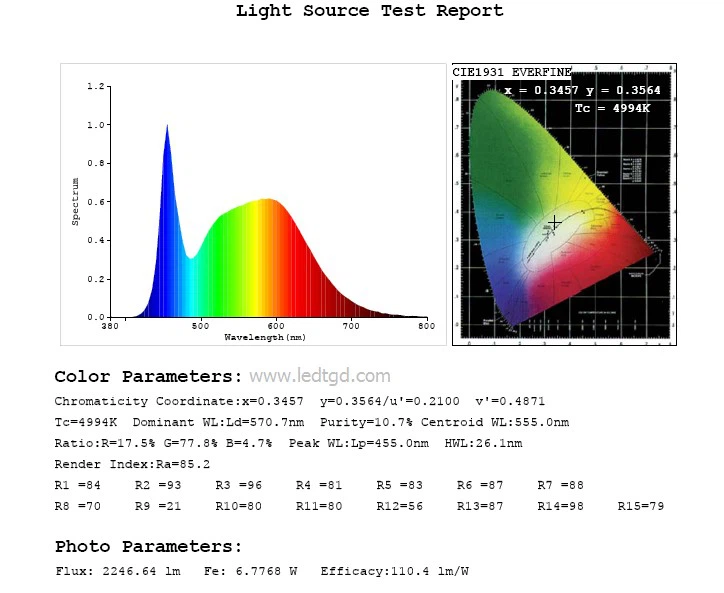
Blue-Led Dominant or Full-Spectrum with High Blue Content
The most important feature of a seedling grow light is its spectrum. Look for lights labeled "blue-dominant" (with 60–70% blue light) or "full-spectrum" with a high blue component. Avoid lights that are red-dominant (designed for flowering plants), as they will not support healthy seedling growth. Some advanced grow lights allow you to adjust the spectrum, letting you switch from blue-dominant for seedlings to red-rich for mature plants-a versatile option for gardeners who grow plants through their entire lifecycle.
Adjustable Brightness
Seedlings have varying light intensity needs as they grow: newly germinated seedlings need lower intensity (around 2,000 fc), while 2–3-week-old seedlings require higher intensity (up to 3,000 fc). Adjustable brightness lets you tailor the light to your seedlings' stage, preventing both leggy growth and leaf burn. Look for lights with dimming controls (manual or automatic) to easily adjust intensity.
Low Heat Emission
Seedlings are extremely sensitive to heat. Grow lights that generate excessive heat (like incandescent or high-pressure sodium bulbs) can dry out soil, scorch leaves, or even kill young plants-especially since seedlings need grow lights to be placed close (2–6 inches away) for optimal light exposure. LED grow lights are the best choice for seedlings: they emit minimal heat, allowing you to position the light near seedlings without risk of damage.
Uniform Light Distribution
Seedlings in a tray or container need even light coverage. Uneven light causes some seedlings to grow toward the brightest spot, leading to uneven growth and overcrowding. Look for grow lights with a wide beam angle (120–180 degrees) or panel designs that distribute light uniformly across the entire seedling tray. Avoid narrow-beam lights that focus light on a small area, leaving other seedlings in the dark.
Adjustable Height
As seedlings grow, the distance between the grow light and the plants needs to increase to prevent leaf burn while maintaining adequate intensity. Grow lights with adjustable height (e.g., hanging lights with chains, clip-on lights with extendable arms, or panel lights with adjustable stands) make it easy to raise the light as seedlings mature. This adaptability ensures seedlings get the right light intensity at every stage.
Timer Function
Consistent light cycles are crucial for seedlings, and a built-in timer takes the guesswork out of scheduling. Look for grow lights with programmable timers that let you set 14–16 hours of light and 8–10 hours of darkness. This ensures seedlings get a regular cycle, even if you forget to turn the light on or off-critical for preventing stress and promoting steady growth.
Types of Grow Lights for Seedlings: Which One Is Right for You?
Grow lights for seedlings come in several types, each with its own advantages and best uses. The right choice depends on your space, the number of seedlings you're growing, and your budget.
LED Grow Lights (Best Overall for Seedlings)
LED (Light-Emitting Diode) grow lights are the gold standard for seedling care-and for good reason. They check all the boxes for seedling needs:
Spectrum: Easy to find in blue-dominant or full-spectrum options with high blue content.
Heat: Emit very little heat, safe for close placement.
Energy Efficiency: Use 70–80% less energy than incandescent or fluorescent lights, saving on electricity bills even with 14–16 hours of daily use.
Long Lifespan: Lasts 30,000–50,000 hours (3–5 years with daily use), so you won't need to replace them frequently.
Design Options: Available as panels, clip-ons, or strips-perfect for any space. Panel LED lights are great for large seedling trays, while clip-ons work for small batches of seedlings.
LED grow lights are slightly more expensive upfront (ranging from \($30–\)$100 for seedling-sized models) but offer the best long-term value due to their energy efficiency and durability.
Fluorescent Grow Lights (Budget-Friendly Option)
Fluorescent grow lights-specifically T5 or T8 tubes-are a popular budget choice for seedlings. They:
Spectrum: Come in "cool white" varieties (which have higher blue content), ideal for seedlings. Avoid "warm white" fluorescent lights, which are red-dominant.
Heat: Emit less heat than incandescent lights, though more than LEDs. They can be placed 4–6 inches away from seedlings (farther than LEDs).
Cost: Affordable upfront (tubes cost \(\$10–\)\$20, fixtures \(\$20–\)\$50) but less energy-efficient than LEDs.
Lifespan: Lasts 10,000–20,000 hours (1–2 years with daily use), so they need more frequent replacement than LEDs.
Fluorescent lights are a good option for gardeners on a tight budget or those who only grow seedlings occasionally. However, they are bulkier than LEDs and may not fit in small spaces.
Incandescent Grow Lights (Not Recommended for Seedlings)
Incandescent grow lights are the cheapest option but are not suitable for seedlings. They:
Spectrum: Emit mostly red and yellow light, with very little blue light-leading to leggy, weak seedlings.
Heat: Generate significant heat, making it impossible to place them close to seedlings without burning them.
Energy Efficiency: Use far more energy than LEDs or fluorescents, increasing electricity costs.
Lifespan: Only lasts 1,000–2,000 hours (a few months with daily use), requiring frequent replacement.
Unless you have no other option, avoid incandescent grow lights for seedlings-they will likely result in poor growth and wasted time.
High-Intensity Discharge (HID) Lights (Overkill for Most Seedlings)
HID lights (including high-pressure sodium and metal halide) are powerful grow lights used for large-scale growing operations. They:
Spectrum: Metal halide (MH) lights have a blue-rich spectrum that could work for seedlings, but HPS lights are red-dominant.
Heat: Emit intense heat, requiring ventilation and a safe distance from seedlings (12–18 inches away)-too far to provide the focused light seedlings need.
Cost: Expensive upfront (fixtures \($100–\)$300) and energy-hungry, making them impractical for home seedling growing.
HID lights are overkill for most gardeners' seedling needs-stick to LEDs or fluorescents for better results and lower costs.
How to Use Grow Lights for Seedlings: Step-by-Step Tips for Success
Even the best grow light won't yield healthy seedlings if used incorrectly. Follow these steps to ensure your seedlings get the most from their grow light:
Step 1: Start Using the Grow Light Immediately After Germination
Seeds don't need light to germinate (they rely on stored energy), but as soon as the first cotyledons (seed leaves) appear, turn on the grow light. Delaying light use will cause seedlings to stretch toward any available light, leading to leggy growth that's hard to reverse.
Step 2: Set the Right Distance
The distance between the grow light and seedlings depends on the type of light:
LED lights: Start at 2–4 inches away from newly germinated seedlings. As seedlings grow, raise the light by 1 inch every week until they're 6 inches tall (or ready to transplant).
Fluorescent lights: Start at 4–6 inches away. Raise by 1 inch every week as seedlings grow.
Check seedlings daily for signs of light stress: if leaves turn yellow or brown at the edges, the light is too close; if stems become leggy, the light is too far.
Step 3: Set the Correct Light Cycle
Program your grow light's timer for 14–16 hours of light per day and 8–10 hours of darkness. Consistency is key-avoid changing the cycle, even on weekends. Seedlings thrive on routine, and irregular light can disrupt their growth rhythm.

Step 4: Adjust Brightness as Seedlings Grow
Newly germinated seedlings need lower brightness (around 2,000 fc) to avoid stress. After 1–2 weeks, increase the brightness to 2,500–3,000 fc to support leaf and stem growth. Most LED grow lights have a brightness indicator (in fc or percent) to help you adjust accurately. If your light doesn't have a built-in indicator, observe your seedlings: compact growth with dark green leaves means brightness is correct; pale leaves or slow growth mean brightness is too low.
Step 5: Ensure Even Coverage
If you're growing multiple seedlings in a tray, position the grow light directly above the center of the tray to ensure uniform coverage. For larger trays, use a panel grow light or multiple clip-on lights to avoid dark spots. Rotate the tray 180 degrees every 2–3 days to prevent seedlings from leaning toward the light-this ensures all seedlings grow straight and strong.
Step 6: Combine with Proper Watering and Soil
Grow lights work best when paired with good seedling care:
Watering: Keep soil moist but not waterlogged. Grow lights can dry out soil quickly, so check moisture levels daily (stick your finger 1 inch into the soil-if it's dry, water).
Soil: Use a lightweight, well-draining seed starting mix. Heavy potting soil can suffocate seedling roots, even with good light.
Airflow: Provide gentle airflow (e.g., from a small fan) to strengthen seedling stems. Light alone won't prevent weak stems if there's no airflow.
Why Invest in a Quality Grow Light for Seedlings?
Some gardeners hesitate to invest in a grow light, thinking natural light or a cheap indoor bulb will suffice. However, the benefits of a quality seedling grow light far outweigh the cost:
Consistently Healthy Seedlings
A good grow light eliminates the guesswork of natural light, ensuring seedlings get the exact spectrum, intensity, and duration they need. This results in compact, sturdy seedlings with strong roots-seedlings that transplant successfully to gardens or larger pots and have a higher chance of surviving and thriving.
Year-Round Seed Starting
With a grow light, you're not limited to starting seeds in spring. You can start cool-season vegetables (like lettuce or kale) in winter, grow flower seedlings for early summer blooms, or even start herbs indoors year-round. This extends your growing season and lets you experiment with plants that might not germinate in your area's natural climate.
Cost Savings in the Long Run
While quality grow lights (especially LEDs) have a higher upfront cost, they save money over time:
Energy Savings: LEDs use 70–80% less energy than other grow lights, reducing monthly electricity bills.
Long Lifespan: LEDs last 3–5 years, so you won't need to buy new lights every year.
Reduced Waste: Healthy seedlings mean fewer failures, so you won't waste money on seeds, soil, or pots for seedlings that die due to poor light.
Less Frustration for Gardeners
There's nothing more disappointing than spending weeks caring for seedlings, only to have them become leggy or die due to insufficient light. A grow light takes the stress out of seed starting, giving you confidence that your seedlings will grow strong and healthy-regardless of the weather or time of year.
Conclusion
Grow lights for seedlings are not just a "nice-to-have" for gardeners-they're a necessity for anyone looking to ensure successful seedling development. By providing the blue-dominant light, consistent intensity, and long light cycles that seedlings need, they prevent leggy growth, promote strong stems and leaves, and set the stage for healthy, productive plants. Whether you choose an LED panel light for large seedling trays or a clip-on LED for small batches, investing in a quality grow light will transform your seed-starting experience.
With the right grow light and proper care, you'll be able to start seeds year-round, grow a wider variety of plants, and enjoy the satisfaction of watching your seedlings thrive from germination to transplant. For gardeners who want to give their plants the best possible start, a grow light for seedlings is an investment that pays off in healthy, vibrant plants-and a more successful garden.
Our service:
1.Your inquiry related to our products or prices will be replied in 24 hours.
2.Well-trained and experienced staffs to answer all your enquires in fluent English.
3.OEM&ODM, we can help you to design and put into product.
4.Distributoership are offered for your unique design and some our current models.
5.Protection of your sales area, ideas of design and all your private information.
https://www.benweilight.com/lighting-tube-bulb/grow-lights-for-seedlings.html
Shenzhen Benwei Lighting Technology Co.,Ltd
Telephone: +86 0755 27186329
Mobile(+86)18673599565
Whatsapp :19113306783
Email:bwzm15@benweilighting.com
Skype: benweilight88
Web: www.benweilight.com