Herb Growing Light: A Comprehensive Guide
Herbs are a versatile and rewarding addition to any indoor garden, offering fresh flavors for cooking, aromatic scents for the home, and even medicinal benefits. However, growing herbs indoors successfully hinges on one critical factor: providing the right type of light. Unlike outdoor plants that rely on the sun's full spectrum, indoor herbs depend on artificial growing lights to thrive. This article explores the science behind herb growing lights, the different types available, how to choose the best one for your needs, and practical tips for maximizing herb growth under artificial light.
The Science of Light for Herb Growth
To understand why herb growing lights are essential, it is first necessary to grasp how light influences plant biology. Photosynthesis, the process by which plants convert light energy into chemical energy (glucose), is driven by specific wavelengths of light. Chlorophyll, the green pigment in plant cells, absorbs light most efficiently in the blue (400–500 nm) and red (600–700 nm) regions of the electromagnetic spectrum. These wavelengths are known as photosynthetically active radiation (PAR) and are critical for all stages of herb growth.
Blue light is particularly important during the vegetative stage, promoting compact, bushy growth and strong leaf development. It helps herbs produce lush foliage, which is exactly what growers want when harvesting leaves for culinary use. Red light, on the other hand, supports flowering and the production of essential oils-the compounds that give herbs their distinctive flavors and aromas. While green light (500–600 nm) is less efficiently absorbed by chlorophyll, it still plays a role in overall plant health, aiding in leaf structure and light penetration through dense canopies.
Herbs, which are typically grown for their leaves rather than flowers or fruit, have specific light requirements that differ from other plants. Most culinary herbs, such as basil, parsley, and mint, originate from regions with abundant sunlight, such as the Mediterranean, where they receive 6–8 hours of direct sunlight daily. When grown indoors, they need artificial lights that replicate this intensity and spectrum to prevent leggy growth, yellowing leaves, or reduced flavor.
The key metrics to consider when evaluating herb growing lights are spectrum (the wavelengths of light emitted), intensity (the amount of light reaching the plant), and duration (how long the light is on each day). A balanced spectrum with sufficient blue and red wavelengths, combined with appropriate intensity and a consistent photoperiod, is essential for healthy, productive herbs.
Types of Herb Growing Lights
There are several types of artificial lights used for growing herbs, each with its own advantages and disadvantages. The most common options include light-emitting diodes (LEDs), fluorescent lights, high-intensity discharge (HID) lights, and compact fluorescent lights (CFLs). Understanding the differences between these types is crucial for making an informed choice.
LED Grow Lights
LED grow lights have revolutionized indoor gardening, and they are widely regarded as the best option for growing herbs. These lights use semiconductor technology to emit specific wavelengths of light, allowing manufacturers to tailor their spectrum to the needs of plants.
One of the primary benefits of LEDs is their energy efficiency. They convert up to 90% of electrical energy into usable light, compared to just 5–10% for incandescent bulbs. This efficiency means lower electricity bills, even when the lights are left on for 12–16 hours a day- the typical duration needed for herbs. For example, a 30-watt LED can produce the same amount of usable light for herbs as a 100-watt fluorescent bulb, reducing energy consumption by two-thirds.
LEDs also offer precise spectrum control. Full-spectrum LED grow lights, designed to mimic natural sunlight, provide a balanced mix of blue and red wavelengths, with small amounts of green light. This spectrum supports all stages of herb growth, from seedling to mature plant. Some LED models even allow growers to adjust the spectrum, increasing blue light during the vegetative stage for leaf development and red light if flowering is desired (though most herbs are grown for their leaves, not flowers).
Another advantage of LEDs is their low heat output. Unlike other light sources, they emit very little heat, which is critical for herbs. Excessive heat can cause leaf scorching, wilting, or premature bolting (flowering), especially in small indoor spaces. LEDs can be placed 6–18 inches above the herb canopy without risk of heat stress, ensuring maximum light absorption.
LEDs also have a long lifespan, typically lasting 50,000–100,000 hours. This means they rarely need replacement, saving both time and money over the long term. Additionally, they are available in a variety of shapes and sizes, from small panel lights ideal for windowsills to larger arrays for grow tents, making them versatile for any indoor space.
Fluorescent Lights
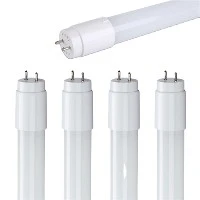
Fluorescent lights have been a staple in indoor gardening for decades and remain a popular choice for growing herbs, particularly among budget-conscious growers. The most common types used for herbs are T5, T8, and T12 fluorescent tubes.
T5 fluorescent tubes are the most efficient and powerful of the three. With a diameter of 5/8 inch, they produce high light output and a relatively balanced spectrum. They are available in "daylight" (6500K) and "warm white" (3000K) variants. Daylight T5s emit more blue light, which is beneficial for leafy growth, while warm white T5s have more red light, which can aid in flowering. Full-spectrum T5 tubes, which combine these wavelengths, are also available and work well for most herbs.
T8 and T12 tubes are older technologies. T8s have a diameter of 1 inch, and T12s are 1.5 inches in diameter. While they are less expensive than T5s, they are also less efficient, producing less light per watt. T8s can work for low-light herbs like chives, but T12s are generally too weak for most herb varieties, leading to leggy growth and reduced yields.
Fluorescent lights produce moderate light intensity, measured in photosynthetic photon flux density (PPFD). T5 tubes typically deliver 100–300 μmol/m²/s at a distance of 4–12 inches, which is sufficient for herbs with low to medium light needs, such as parsley, mint, and thyme. However, they may struggle to provide enough intensity for light-hungry herbs like basil and rosemary, which require higher PPFD levels (200–400 μmol/m²/s).
One drawback of fluorescent lights is their heat output, which is higher than LEDs but lower than incandescent or HID lights. T5 tubes, in particular, generate enough heat that they need to be positioned 4–12 inches above the herb canopy to avoid overheating. They also have a shorter lifespan than LEDs, typically lasting 10,000–20,000 hours, and their light output degrades by 20–30% after 6–12 months of use, requiring regular replacements.
High-Intensity Discharge (HID) Lights
HID lights, including metal halide (MH) and high-pressure sodium (HPS) lamps, are powerful light sources used in commercial growing operations. While they produce intense light, they are generally overkill for growing herbs indoors.
MH lights emit a blue-rich spectrum, which is suitable for vegetative growth. They produce high PPFD levels (500–1000 μmol/m²/s), making them useful for large-scale cultivation of high-light plants. However, their high intensity and heat output make them impractical for small herb gardens. A 400-watt MH lamp can raise the temperature in a small room by 10–15°F, risking damage to herbs. They also consume significantly more energy than LEDs or fluorescent lights.
HPS lights emit mostly red and orange wavelengths, which promote flowering and fruiting. While they are even more powerful than MH lights, their spectrum is poorly suited for leafy herbs, often leading to leggy growth and reduced flavor. Like MH lights, HPS lights generate excessive heat and require ventilation systems, adding to their complexity and cost.
For home growers, HID lights are unnecessary unless cultivating herbs in very large grow tents (10+ square feet) or commercial settings. Their high wattage (250–1000 watts) and heat make them inefficient and risky for small-scale herb gardens.
Compact Fluorescent Lights (CFLs)
CFLs are a smaller, more compact version of fluorescent lights and are commonly used in household lighting. While they are more efficient than incandescent bulbs, they are not ideal for growing herbs, except in very small setups.
CFLs come in full-spectrum variants, but their light output is uneven, with "hot spots" of intensity and shaded areas. This uneven distribution can lead to uneven herb growth, with some parts of the plant receiving too much light and others too little. They produce low to moderate intensity (50–150 μmol/m²/s), which is sufficient for very small herb gardens-such as a single basil plant on a windowsill-but not enough for larger collections or light-hungry herbs.
CFLs also generate more heat than LEDs, requiring them to be positioned 6–12 inches above the herb canopy. They have a shorter lifespan than LEDs (around 8,000–10,000 hours) and need to be replaced more frequently, making them a temporary solution at best.
Incandescent Bulbs
Incandescent bulbs are the least suitable option for growing herbs. They emit mostly red and infrared light, with very little blue light-an unfavorable spectrum for leafy growth. They convert only 5–10% of energy into light, wasting the rest as heat, which can scorch herbs. Even high-wattage incandescent bulbs (100+ watts) fail to provide sufficient PPFD for healthy herb growth. They are inefficient, short-lived (1,000–2,000 hours), and generally not recommended for any type of indoor gardening, including herbs.
Choosing the Right Herb Growing Light
Selecting the right growing light for herbs depends on several factors, including the type of herbs being grown, the size of the growing space, budget constraints, and personal preferences. Here are the key considerations to keep in mind:
Herb Species and Light Requirements
Different herbs have varying light needs, and the growing light should be chosen to match these requirements:
High-Light Herbs: Basil, rosemary, and oregano require intense light with a PPFD of 200–400 μmol/m²/s. LEDs are ideal for these herbs, as they can deliver the necessary intensity without excessive heat. High-output T5 fluorescent tubes can also work, but they may need to be positioned closer to the plants (4–6 inches) to provide sufficient light.
Medium-Light Herbs: Parsley, thyme, and cilantro thrive with a PPFD of 100–200 μmol/m²/s. Both LEDs and T5 fluorescent tubes are suitable for these herbs, with LEDs offering better energy efficiency.
Low-Light Herbs: Mint and chives can tolerate lower light levels, with a PPFD of 50–100 μmol/m²/s. They can be grown under T8 fluorescent tubes, CFLs, or low-wattage LEDs, though LEDs are still the best choice for consistent growth.
Growing Space Size
The size of the growing area is another important factor. For small spaces, such as a windowsill or kitchen counter, a compact LED panel or a single T5 fluorescent tube is sufficient. A 20–60 watt LED panel can support 1–2 square feet of herbs, while a 24-watt T5 tube can cover a similar area.
For medium-sized spaces, such as a shelf or small grow tent (3–5 square feet), a 60–120 watt LED array or a 4-foot T5 fluorescent fixture with 2–4 tubes is needed. This ensures even light distribution across multiple herb plants.
Larger growing spaces (over 5 square feet) may require multiple LED panels or T5 fixtures. However, it is rare for home growers to need such large setups for herbs, as most people grow a small collection for personal use.
Budget Considerations
While LEDs have a higher upfront cost than fluorescent lights, they are more cost-effective in the long run due to their energy efficiency and long lifespan. A quality 60-watt LED panel may cost \(50–\)100, but it will last 5–10 years with minimal energy costs. In contrast, a T5 fluorescent fixture may cost \(30–\)60 initially, but the tubes need to be replaced every 6–12 months, and the higher energy consumption adds up over time.
For growers on a tight budget, T5 fluorescent tubes are a viable alternative, especially for small herb gardens. However, if you plan to grow herbs long-term, investing in LEDs is worth the initial expense.
Heat Management
Herbs are sensitive to heat, so the growing light should produce as little heat as possible. LEDs are the best choice in this regard, as they can be placed close to the plants without risk of scorching. Fluorescent lights produce more heat and need to be positioned carefully, while HIDs and incandescent bulbs generate too much heat for most indoor herb setups.
Adjustable Features
Some growing lights come with adjustable features that can enhance herb growth. Dimming controls allow growers to reduce light intensity for seedlings and increase it as the herbs mature, preventing stress. Adjustable spectrums are useful if you want to experiment with different wavelengths, though they are not essential for most herb growers. Lights with adjustable height settings also help, as the distance between the light and the plants can be increased as the herbs grow taller.
Using Herb Growing Lights Effectively
Even the best growing light will not produce healthy herbs if it is not used correctly. Here are some tips for maximizing the effectiveness of herb growing lights:
Light Duration
Most herbs require 12–16 hours of light per day, followed by 8–12 hours of darkness. The dark period is essential for plants to undergo respiration, a process that breaks down glucose to release energy for growth and repair. Using a timer to control the light duration ensures consistency, which is crucial for herb health. For example, setting the light to turn on at 7 AM and off at 9 PM provides 14 hours of light and 10 hours of darkness-a schedule that works well for most herbs.
Light Distance
The distance between the growing light and the herbs affects light intensity and heat exposure. LEDs should be positioned 6–18 inches above the canopy, depending on their wattage. Lower-wattage LEDs (20–60 watts) can be 6–12 inches away, while higher-wattage LEDs (60+ watts) need to be 12–18 inches away to avoid heat stress.
Fluorescent tubes should be placed 4–12 inches above the herbs. T5 tubes, which produce more light, can be 8–12 inches away for medium-light herbs, while T8 tubes may need to be 4–8 inches away to provide sufficient intensity.
Light Distribution
Ensuring even light distribution is key to preventing uneven growth. Herbs in shaded areas will stretch toward the light, resulting in leggy stems and weak growth. For LED panels, choosing a model with a wide beam angle (120–180 degrees) helps distribute light evenly. For fluorescent fixtures, arranging the tubes parallel to the length of the growing area ensures that all plants receive similar light levels.
Monitoring Herb Health
Regularly checking herbs for signs of light stress can help you adjust the growing light as needed. Symptoms of insufficient light include pale, yellow leaves, leggy stems, and slow growth. If these signs appear, the light may need to be positioned closer to the plants, or a higher-wattage light may be required.
Signs of excessive light include brown leaf tips, scorched leaves, or wilting, even when the soil is moist. In this case, the light should be moved farther away, or a lower-wattage light should be used.
Maintenance
Proper maintenance of growing lights ensures they function effectively. LED lights require little maintenance beyond occasional cleaning to remove dust, which can block light output. Fluorescent tubes should be replaced every 6–12 months, as their light output degrades over time. Keeping the area around the lights clean and free of debris also helps maximize light penetration to the herbs.
Real-World Performance: How Different Lights Affect Herb Growth
Numerous studies and practical experiences have demonstrated the impact of different growing lights on herb growth. For example, a study published in the Journal of Horticultural Science & Biotechnology compared the growth of basil under LEDs, T5 fluorescents, and HPS lights. The results showed that basil grown under LEDs had 25% more leaf biomass, higher chlorophyll content, and stronger flavor compounds (such as eugenol and linalool) than those grown under T5 fluorescents. HPS lights, despite their high intensity, resulted in leggy growth and lower flavor intensity due to their poor spectrum for leafy herbs.
Another study, conducted by researchers at the University of Florida, focused on rosemary growth under different lights. Rosemary grown under high-output LEDs (35–50 watts per square foot) developed denser foliage and higher essential oil content than those grown under T5 fluorescents. The LEDs' ability to provide precise blue and red wavelengths supported the herb's need for strong, woody growth.
Parsley, a medium-light herb, showed similar growth rates under LEDs and T5 fluorescents in a study by the University of California Cooperative Extension. However, the LEDs required 40% less energy, making them more cost-effective over time. Mint, a low-light herb, grew adequately under CFLs but showed better vigor under LEDs, with larger leaves and more robust stems.
These studies confirm that LEDs are the best choice for growing herbs, offering superior growth, flavor, and energy efficiency. Fluorescent lights, particularly T5 tubes, are a reliable alternative but cannot match the performance of LEDs.
Conclusion
Herb growing lights are essential for successful indoor herb gardening, providing the necessary spectrum, intensity, and duration of light that herbs need to thrive. LED grow lights stand out as the best option, offering precise spectrum control, energy efficiency, low heat output, and long lifespans. They are suitable for all types of herbs, from light-loving basil to shade-tolerant mint, and work well in any size.