Environments with high temperatures present special difficulties for lighting systems. Specialized lighting that can tolerate high temperatures and yet function at its best is needed in commercial kitchens, foundries, and industrial facilities.
We at PacLights are aware of how important high temperature high bay LED lighting is in these challenging environments. When choosing the ideal lighting solution for your high-heat setting, this guide will assist you in navigating the important elements to take into account.
High Temperature High Bay LED Lights: What Are They?
A type of lighting fixture called "high bay LED lighting" is made especially to be mounted in spaces with high ceilings, usually between 15 and 25 feet. Specialized versions of these fixtures, known as high temperature high bay LED lights, are designed to function well in conditions when temperatures rise above 40°C (104°F).
Characterizing Environments with High Temperatures
High temperature environments are industrial settings that provide difficulties for standard lighting fixtures due to heat-generating operations or equipment. These include foundries, glass factories, steel mills, and big commercial kitchens. The average temperature in these locations is frequently higher than 100°F (38°C), and in certain places it can even reach 150°F (65°C) or higher.
The Requirement for Customized Lighting
In situations with extreme temperatures, standard lighting systems frequently fail too soon. Frequent replacements, higher maintenance expenses, and possible safety risks result from this. These issues are resolved by high temperature high bay LED lights. They have sophisticated thermal management systems that enable them to function dependably in extremely hot conditions, guaranteeing steady illumination and lowering the possibility of unexpected malfunctions.
Important characteristics of LED lights at high temperatures
High temperature high bay LED lights differ from conventional lighting alternatives in a number of ways.
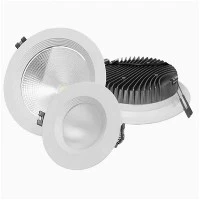
Advanced Heat Sinks: To quickly dissipate heat away from delicate components, these lights use sizable, effective heat sinks, frequently composed of aluminum.
Thermally Robust LEDs: Often rated for operation at 105°C or greater, the LED chips utilized in these fixtures continue to function at high temperatures.
High-Temperature Rated Drivers: The parts of the power supply can tolerate high temperatures; they frequently have remote mounting choices or specialized cooling systems to keep them out of the hottest spots.
Sturdy Housings: Made of materials like stainless steel or die-cast aluminum, these housings offer superior heat resistance and defense against corrosive conditions that are frequently present in high-temperature industrial settings.
Specialized Optics: Even at extremely high temperatures, the lenses and reflectors in these fixtures retain their optical qualities since they are composed of heat-resistant materials.
Performance under Tough Circumstances
For the most exacting industrial settings, high temperature high bay LED lights provide dependable and effective lighting options. Compared to conventional lighting alternatives, they drastically lower maintenance needs and energy costs while still providing the illumination required for safe and effective operations.
Under circumstances that would cause ordinary lights to malfunction, these specialty fixtures continue to function at their best. Because of this, they are a great advantage to businesses that work in hot conditions. Consistent light production and longevity are guaranteed by their resistance to high temperatures, which are essential for preserving operational effectiveness and safety in industrial situations.
We'll go over the particular elements you should take into account when selecting high temperature high bay LED lighting for your establishment as we proceed. You may make an informed choice that satisfies your particular illumination requirements in difficult high-heat situations by being aware of these important factors.
The Most Important Elements of High Temperature LED Lighting
Rating of Temperature and Control of Heat
One of the most important factors is the LED fixture's temperature rating. Choose lights that are rated to run at temperatures at least 10°C higher than the maximum ambient temperature in your facility. For instance, select fixtures rated for 60°C (140°F) or greater if the temperature in your room hits 50°C (122°F).
The regulation of heat is equally crucial. Modern heat sink designs have a big impact on how well a fixture dissipates heat. Superior cooling performance is provided by aluminum heat sinks with wide surface areas and well-planned fin shapes. For more effective thermal management, several manufacturers enhance their heat sink designs using computational fluid dynamics (CFD) simulations.
Efficiency and Light Output
Consider lumens per watt (lm/W) instead than merely total lumens when assessing light output. This measure, called luminous efficacy, shows how well the light fixture uses electricity to create light. Even in difficult conditions, premium high temperature LED lighting can reach efficiencies of 160 lm/W or more.
According to a U.S. Department of Energy study, LED efficacy increased by almost 50% in the last ten years, and more improvements are anticipated. Significant energy savings and enhanced performance in high-heat environments result from this.
Longevity and Durability
The lifespan of fixtures becomes crucial in high-temperature settings. Look for L70 ratings that are at least 100,000 hours. The amount of hours a fixture will run before its light output drops to 70% of its starting value is indicated by its L70 rating.
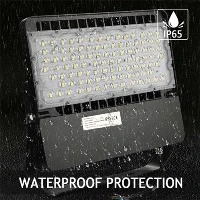
Additionally, take note of the fixture's ingress protection (IP) rating. An IP65 rating or higher guards against moisture and dust intrusion in the majority of industrial applications. Further higher ratings, like IP67 for temporary submersion protection, can be necessary in some particular settings.
Distribution of Light and Optics
Your facility's safety and visibility are greatly impacted by the way your high bay fixtures distribute light. Narrower beam angles (60° to 90°) can be advantageous for task-specific lighting or spaces with extremely high ceilings, whereas wide beam angles (120° to 180°) are often better for general illumination.
Modular optical systems from certain vendors let you tailor the light distribution to your own requirements. This adaptability can be very helpful in intricate industrial settings with different lighting needs.
In addition to improving vision, proper light dispersion can help save electricity. Compared to poorly constructed systems, efficient light distribution can save up to 30% on energy use, according to a Lighting Research Center study.
You may choose high temperature high bay LED lighting that offers the best performance, longevity, and energy economy in even the most demanding industrial settings by carefully weighing these aspects. Over time, lower energy costs and fewer maintenance needs frequently make the initial investment in high-quality, well-designed fixtures worthwhile. Let's now examine the most advantageous uses for high temperature high bay LED lighting.
Where High Temperature High Bay LED Lights Excel
High temperature high bay LED lights prove their worth in some of the most challenging industrial environments. These specialized fixtures outperform standard lighting solutions in settings where extreme heat is a constant factor. Let's explore the key applications where these robust lighting systems make a significant impact.
Metal processing facilities and foundries
Temperatures in metal processing plants and foundries frequently surpass 100°F (38°C). Lighting systems suffer greatly from the intense heat produced by high-temperature furnaces and molten metal. These temperatures are tolerated by high temperature high bay LED lights, which consistently illuminate vital processes.
High temperature LED high bays were used in place of metal halide lights at a steel factory in Ohio. Energy expenses were cut by 60% as a result of this modification, and maintenance-related downtime was greatly reduced. Where earlier lighting systems failed within months, the new LED fixtures continued to function even in temperatures as high as 140°F (60°C).
Production Facilities for Glass
The production of glass requires extreme heat, with furnaces reaching temperatures of about 2,700°F (1,482°C). The radiant heat in these facilities makes it difficult for lighting systems to function, even though the outside temperature may not get to such levels.
There are various benefits of using high temperature high bay LED lights in glass manufacturing facilities.
Even in hot spots close to furnaces, light output remains constant.
Better color representation for quality assurance procedures
fewer maintenance requirements, which reduces disruptions to production
After converting to high temperature LED high bays, a large glass factory reported a 40% rise in light levels and a 50% decrease in energy expenses associated with lighting.
Commercial Kitchens and Spaces Used for Food Processing
Lighting in commercial kitchens and food processing facilities poses special difficulties. A hostile atmosphere is produced by the combination of steam and grease-laden air with high ambient temperatures from ovens, fryers, and other cooking appliances.
In these conditions, high temperature high bay LED lights provide:
Heat and moisture resistance
Surfaces that are simple to clean and keep hygienic conditions
Outstanding color representation for food preparation and quality assurance
After installing high temperature LED high bays, a large food processing company in California reported a 45% decrease in energy expenditures and a 30% improvement in overall illumination quality. Additionally, their old lighting system no longer needed frequent bulb changes thanks to the new fixtures.
Distribution Centers and Warehouses in Hot Climates
Hot climates present special lighting issues for warehouses and distribution hubs. Standard lighting systems can be overloaded by high ambient temperatures as well as heat from goods and equipment.
In these settings, high bay LED lighting provides a number of advantages:
After switching to high temperature LED high bays, a distribution facility in Arizona reported a 55% decrease in energy expenditures associated with lighting and a notable improvement in light quality. Even during the hottest summer months, when the facility's interior temperatures frequently surpassed 100°F, the new fixtures continued to function as intended.
Concluding remarks
Choosing the appropriate high temperature high bay LED lighting has an effect on operational expenses, productivity, and safety. Important considerations include temperature rating, heat management, light production, durability, efficiency, and light distribution. Superior heat dissipation, high luminous efficacy, long lifespans, and adjustable light distribution patterns are features of the greatest lighting options for harsh settings.
High temperature high bay LED lighting works well in hot climate warehouses, commercial kitchens, glass manufacturing facilities, and foundries. In difficult situations, these specialty lighting fixtures perform better than conventional solutions, providing better illumination, lower maintenance costs, and energy savings. The advantages go beyond short-term increases in safety and visibility; they also include long-term gains in operational efficiency and energy consumption.
For a wide range of industrial applications, PacLights provides an extensive selection of high temperature high bay LED lighting solutions. To assist you in making wise choices, our staff offers complimentary lighting scheme ideas and ROI evaluations. We guarantee that your facility receives the best illumination possible that endures harsh conditions while optimizing energy efficiency and longevity thanks to our experience and cutting-edge product selections.