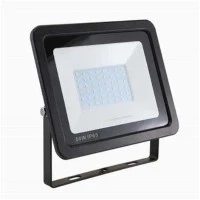
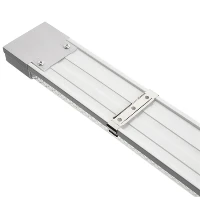
How to Choose the Best IP67 Waterproof LED Floodlight 100W for Stadium in 2025

For stadium operators, lighting is not just about illumination-it's a critical factor in athlete performance, spectator experience, and operational safety. A 100W IP67 waterproof LED floodlight stands as the sweet spot for medium-sized stadiums, balancing energy efficiency and powerful coverage. Yet with dozens of models flooding the 2025 market, choosing the right one requires more than just comparing prices. This guide breaks down the essential criteria, industry standards, and practical tips to help you select a floodlight that delivers consistent performance, meets sports lighting regulations, and avoids costly replacements.
Start with Sports-Specific Illumination Requirements
Before evaluating products, you must define your stadium's unique lighting needs-these will dictate every subsequent choice. Unlike generic outdoor floodlights, stadium lighting demands precision: uneven brightness causes glare for athletes, while poor color rendering distorts spectators' ability to track the game. Here are the non-negotiable metrics for 2025:
Luminous Efficacy and Output
A 100W LED floodlight's brightness is measured in lumens (lm), but luminous efficacy (lm/W) reveals true efficiency. For stadiums, prioritize models with at least 160 lm/W-this ensures 16,000 lumens of output while cutting energy costs by 50% compared to older 100W halogen alternatives . Avoid products claiming "high brightness" without disclosing efficacy; a 100W light with 120 lm/W (12,000 lumens) will leave dark spots on the field.
Beam Angle and Light Distribution
Stadiums require a balance of coverage and focus. Opt for asymmetric beam angles between 60°–90° -this design directs light evenly across playing surfaces without wasting illumination on empty stands or surrounding areas. For football or soccer fields, pair 60° narrow beams for goal areas with 90° wide beams for midfield zones. Steer clear of symmetric 120°+ beams; they cause glare and fail to meet FIFA's 2025 lighting uniformity standards (minimum 0.7 uniformity ratio).
Color Temperature and CRI
Color temperature (CT) impacts both visibility and atmosphere. For professional or competitive stadiums, choose 5000K–6000K (daylight white) -this mimics natural sunlight, allowing athletes to track fast-moving objects (e.g., balls) and reducing eye strain. For community stadiums focused on spectator comfort, 4000K (cool white) works well.
Equally critical is the Color Rendering Index (CRI): aim for CRI > 80 . A high CRI ensures accurate color perception-vital for distinguishing team uniforms and judging ball spin. Models with CRI < 70 will make colors appear washed out, undermining both play and viewing experience.
Verify IP67 Durability and Build Quality
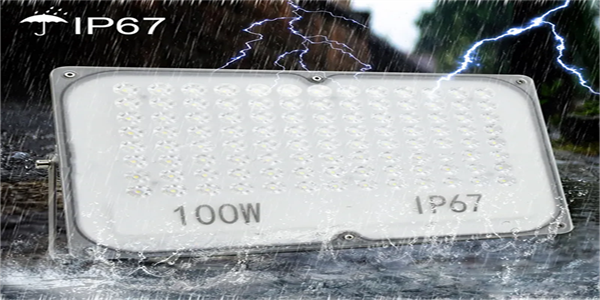
Stadium floodlights operate in harsh outdoor conditions-rain, dust, and temperature fluctuations are constant threats. While IP67 certification is mandatory (it guarantees full dust protection and resistance to low-pressure water jets ), not all IP67-rated lights are equally durable. Inspect these components:
Housing Material
Choose floodlights with die-cast aluminum housings . Aluminum offers superior heat dissipation (critical for LED lifespan) and corrosion resistance compared to plastic or mild steel. Look for powder-coated finishes-these add an extra layer of protection against salt air (for coastal stadiums) and industrial pollutants. Avoid plastic housings; they degrade under UV exposure and crack in extreme temperatures.
Sealing Technology
IP67 compliance depends on effective sealing. Ask manufacturers about gasket materials: silicone gaskets outperform rubber alternatives, as they maintain flexibility in -30°C to 60°C temperatures. Check if the light uses a "labyrinth seal" design-this prevents water ingress even during heavy downpours, unlike basic O-ring seals that fail over time.
LED Chips and Drivers
The heart of a floodlight is its LED chips and driver. For 2025 models, select lights with SMD 2835 or COB chips -these deliver consistent brightness and have a 50,000-hour lifespan (equivalent to 10+ years of stadium use). Avoid older SMD 3528 chips, which degrade by 30% after 20,000 hours.
For drivers, prioritize constant current drivers with power factor (PF) > 0.95 . This ensures stable performance even with voltage fluctuations (common in outdoor electrical systems) and reduces energy waste. Look for drivers with TUV or UL certifications-uncertified drivers are prone to overheating and cause 60% of floodlight failures .
2025 Must-Have Features for Stadiums
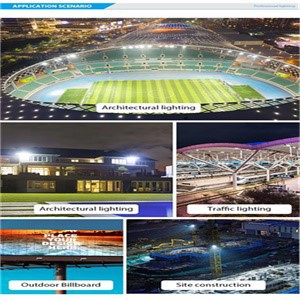
Beyond core specs, modern stadium floodlights need features that enhance usability and compliance. These additions separate professional-grade models from consumer-grade alternatives:
Dimming and Smart Controls
2025 stadiums demand energy efficiency and flexibility. Choose floodlights with 0–10V dimming or DALI control systems-this lets you adjust brightness for practice sessions (50% power) versus night games (100% power), cutting electricity costs by up to 30%. For larger facilities, opt for models with Bluetooth or WiFi connectivity-these integrate with stadium management systems to schedule lighting and monitor performance remotely.
Anti-Glare and Flicker Reduction
Glare and flicker pose safety risks for athletes and broadcasters. Look for floodlights with tempered glass lenses and anti-glare grids -these reduce glare by 40% without dimming output. Ensure the light meets IEEE 1789 standards for flicker (< 10% flicker index); flickering lights cause eye fatigue and disrupt TV broadcasts.
Certification Compliance
Never buy a floodlight without industry certifications. For global markets, look for:
CE/UL for electrical safety
RoHS for environmental compliance
FIFA/UEFA approval (for competitive stadiums)
ENERGY STAR® certification (for North American markets, ensuring energy efficiency)
Uncertified lights may violate local regulations and void insurance claims if they cause accidents.
Avoid Common Pitfalls in 2025's Market
With rising demand for LED floodlights, some manufacturers cut corners to lower prices. Watch for these red flags:
"IP67" Claims Without Testing Proof
Ask for third-party IP rating test reports-some brands print "IP67" on housings but fail to seal internal components. A quick test: spray the light with a garden hose (low pressure) for 30 seconds; if water enters the driver compartment, it's not true IP65.
Misleading Lumen Ratings
Some brands advertise "system lumens" (total output) but hide "useful lumens" (light that reaches the field). Choose models where useful lumens are at least 85% of system lumens-lower ratios mean wasted light.
Short Warranty Periods
A quality 100W floodlight should come with a 3–5 year warranty . Warranties shorter than 2 years signal cheap components. Verify if the warranty covers labor and replacement parts-some brands only cover the LED chips.
Top Recommendations for 2025
Based on industry testing, these models meet stadium requirements:
Alltop 5128B 100W: 16,000 lumens (160 lm/W), 60° asymmetric beam, 5-year warranty . Ideal for soccer fields.
JCC Tough Flood 100W: 15,000 lumens, anti-glare design, DALI dimming . Perfect for broadcast-ready stadiums.
Starfish Home 100W: 11,100 lumens, IP67 rating (higher than IP67), easy bracket installation . Great for community stadiums.
Conclusion
Choosing the best IP67 100W LED floodlight for your stadium in 2025 boils down to three steps: define your illumination needs (lumens, beam angle, CRI), verify durable construction (aluminum housing, silicone seals, certified drivers), and prioritize stadium-specific features (dimming, anti-glare, long warranties). By focusing on these criteria, you'll select a floodlight that enhances athlete performance, impresses spectators, and delivers long-term value.
Remember: the cheapest option often costs more in replacements and energy bills. Invest in a certified, high-efficacy model-your stadium (and budget) will thank you.
https://www.benweilight.com/industrial-lighting/led-flood-light/wide-angle-flood-light-30w-200w.html