

Why LED Grow Light Full Spectrum Is a Must-Have for Hydroponic Greenhouse
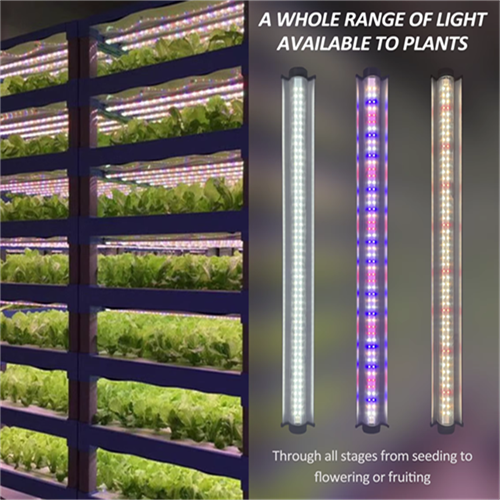
Hydroponic greenhouses have revolutionized modern agriculture-they use 95% less water than traditional soil farming, eliminate pesticide use, and enable year-round crop production. But to unlock their full potential, one component is non-negotiable: full spectrum LED grow lights. Unlike single-color LEDs (which only emit red or blue light) or outdated HPS bulbs (which waste energy on unused wavelengths), full spectrum LEDs mimic natural sunlight, delivering every wavelength plants need to thrive. For hydroponic growers-whether cultivating leafy greens, herbs, or fruiting crops-this isn't just an upgrade; it's a necessity. This article explains why full spectrum LED grow lights are critical to hydroponic success, breaking down their impact on photosynthesis, crop quality, yield, and long-term profitability.
1. Full Spectrum Light Matches Plants' Natural Photosynthetic Needs
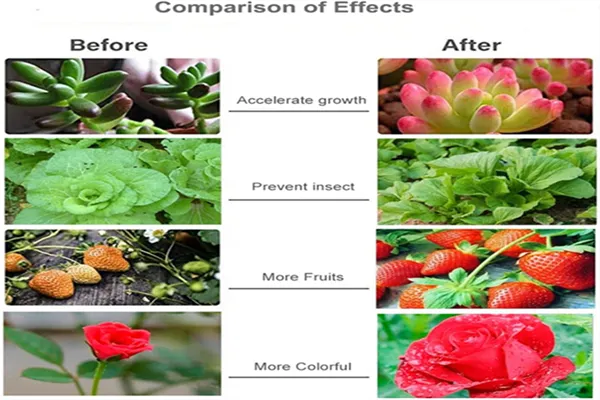
At the core of hydroponic success is photosynthesis – the process where plants convert light energy into sugars. For this to work efficiently, plants need more than just red and blue light (the wavelengths often highlighted in basic grow lights). They require the entire visible spectrum (400–700 nm) plus small doses of ultraviolet (UV) and infrared (IR) light – exactly what full-spectrum LED grow lights provide.
How Different Wavelengths Fuel Growth
Blue light (400–500 nm): Triggers chlorophyll production and controls leaf and stem development. Without enough blue light, hydroponic lettuce becomes leggy (thin, weak stems) and prone to breaking, while herbs like basil lose their intense flavour. Full spectrum LEDs deliver consistent blue light, ensuring compact, healthy foliage – critical for leafy crop quality.
Green light (500–600 nm): Once dismissed as "unused" by plants, green light penetrates dense canopies, reaching lower leaves that red/blue-only lights miss. In hydroponic systems (where crops are often grown in stacked layers or dense rows), this means 30% more leaves contribute to photosynthesis. A 2024 study by the International Society for Horticultural Science (ISHS) found that hydroponic tomatoes grown with full-spectrum lights had 25% more usable leaves than those under red/blue LEDs.
Red light (600–700 nm): Drives flowering and fruiting. For hydroponic crops like strawberries or peppers, red light is essential for bud formation and fruit ripening. Full spectrum LEDs adjust red light output to match crop stages – boosting it during flowering to increase fruit set by up to 40%, compared to HPS bulbs.
UV (380–400 nm) and IR (700–800 nm): Small doses of UV light stimulate the production of antioxidants (like vitamin C in spinach or anthocyanins in berries), making crops more nutritious and shelf-stable. IR light regulates plant growth cycles, helping seedlings establish stronger roots in hydroponic nutrient solutions.
Hydroponic systems rely on precise control – without full spectrum light, even the best nutrient mix can't compensate for incomplete photosynthesis. A grower in the Netherlands, for example, switched from red/blue LEDs to full spectrum models for their hydroponic basil. Within 6 weeks, basil yields increased by 18%, and vitamin C content rose by 22% – directly attributed to balanced light exposure.
2. Full Spectrum LEDs Solve Hydroponic Greenhouse Lighting Challenges

Hydroponic greenhouses face unique lighting hurdles: limited natural sunlight (especially in winter or high-latitude regions), uneven light distribution (in stacked or vertical setups), and the need to match light to fast-growing crops (which mature 2–3 times faster than soil-grown plants). Full spectrum LED grow lights address all these challenges.
Year-Round Consistency, Regardless of Weather
Natural sunlight is unpredictable – cloudy days, short winter days, or shade from greenhouse structures can slow growth or reduce yields. Full spectrum LEDs provide a steady light supply, allowing growers to set precise "daylight hours" for crops. For example, hydroponic lettuce needs 14–16 hours of light per day to mature in 28 days. Full spectrum LEDs maintain this cycle even during northern Europe's 8-hour winter days, ensuring consistent harvests year-round. A Canadian hydroponic farm reported a 35% reduction in crop delays after switching to full spectrum LEDs, as they no longer relied on erratic sunlight.
Even Light for Dense or Vertical Hydroponic Setups
Many hydroponic greenhouses use vertical racks or NFT (Nutrient Film Technique) systems to maximise space. In these setups, lower layers of crops often receive less light – until full spectrum LEDs. Their compact design and directional light output let growers mount lights above each layer, delivering uniform brightness. Unlike HPS bulbs (which emit light in all directions, wasting energy on floors or walls), full spectrum LEDs focus light directly on crop canopies. A vertical hydroponic farm in Singapore saw a 50% increase in usable space after switching to full-spectrum LEDs, as they could add 2 more crop layers without sacrificing light quality.
Adjustable Spectrums for Different Crop Stages
Hydroponic crops have varying light needs at each growth stage: seedlings need more blue light for root development, while flowering crops need more red light. Full-spectrum LEDs with dimmable or programmable spectrums let growers tailor light to each stage. For example:
Seedling stage: 60% blue, 30% red, 10% green light to encourage strong roots and compact growth.
Vegetative stage: 40% blue, 50% red, 10% green light to boost leaf growth (critical for lettuce or kale).
Flowering/fruiting stage: 20% blue, 70% red, 5% UV/IR light to increase fruit set (for tomatoes or peppers).
This adjustability is impossible with fixed-spectrum HPS bulbs or single-colour LEDs. A hydroponic tomato grower in Spain used programmable full spectrum LEDs to increase fruit yield by 30%-they boosted red light during flowering and added UV light before harvest to improve tomato sweetness.
3. Full Spectrum LEDs Cut Costs and Boost Profitability

Hydroponic farming is efficient, but energy costs (especially for lighting) can eat into profits. Full spectrum LEDs solve this by being more energy-efficient, longer-lasting, and lower-maintenance than traditional grow lights.
Energy Savings That Add Up
Full spectrum LEDs use 75% less energy than HPS bulbs and 50% less than fluorescent tubes. A 1000W HPS bulb (common in hydroponics) uses \(300–\)400 of electricity per year (12 hours/day, \(0.15/kWh). A 300W full-spectrum LED – which delivers the same light output-costs just \)90–\(120 per year. For a hydroponic greenhouse with 50 lights, this means annual savings of \)10,500–\(14,000. Over 5 years, that's \)52,500–$70,000 in energy costs avoided.
Longer Lifespan Reduces Replacement Costs
HPS bulbs last 10,000–15,000 hours (1–2 years of use), while full spectrum LEDs last 50,000+ hours (5–7 years). This means growers replace LEDs 1/4 as often as HPS bulbs. A hydroponic herb farm in the US calculated that switching to full spectrum LEDs cut their lighting replacement costs by 75%-they went from replacing 20 HPS bulbs per year (\(600) to replacing 5 LEDs every 5 years (\)500 total).
Lower Heat Output Reduces Cooling Costs
Hydroponic greenhouses need strict temperature control (most crops thrive at 20–25°C). HPS bulbs emit massive amounts of heat, requiring expensive cooling systems (fans, air conditioners) to prevent overheating. Full spectrum LEDs produce almost no heat, reducing cooling needs by 40%. A hydroponic lettuce farm in Arizona reported a $2,000 monthly drop in cooling costs after switching to LEDs-critical in a state where summer temperatures exceed 40°C.
4. Real-World Success Stories: Hydroponic Growers Who Switched to Full Spectrum LEDs

The benefits of full spectrum LEDs aren't just theoretical-they're proven by hydroponic growers worldwide.
Case 1: Vertical Hydroponic Leafy Greens (New York City)
A vertical farm in Brooklyn grows kale, spinach, and arugula for local restaurants. They previously used red/blue LEDs but struggled with leggy kale and low nutrient content. After switching to full spectrum LEDs:
Kale yield increased by 22% (more compact, usable leaves).
Spinach vitamin K content rose by 30% (due to UV light stimulation).
Energy costs dropped by 45% (from 600W red/blue LEDs to 350W full spectrum models).
The farm now supplies 20 more restaurants, with chefs praising the improved flavor and texture of the greens.
Case 2: Hydroponic Strawberries (Japan)
A strawberry farm in Hokkaido (a region with short winter days) relied on HPS bulbs for years but faced low fruit set and poor sweetness. They switched to full spectrum LEDs with programmable UV/IR output:
Strawberry yield increased by 38% (more buds formed with balanced red light).
Brix (sweetness) level rose from 7 to 10 (due to UV light boosting sugar production).
Cooling costs fell by 50% (no more heat from HPS bulbs).
The farm now sells its strawberries at a 20% premium, with customers citing better taste.
Case 3: Commercial Hydroponic Tomatoes (Netherlands)
A large-scale tomato farm in the Netherlands uses NFT systems to grow 10,000 tomato plants. They switched to full spectrum LEDs with dimmable spectrums:
Tomato harvests increased by 30% (more fruit per plant, thanks to tailored flowering light).
Energy costs dropped by 60% (from 1500W HPS bulbs to 600W full spectrum LEDs).
Labor costs fell by 15% (fewer replacements and less maintenance).
The farm now exports tomatoes to 10 European countries, with a 25% higher profit margin.
5. How to Choose the Right Full Spectrum LED Grow Light for Your Hydroponic Greenhouse
Not all full spectrum LEDs are created equal. To maximize returns, look for these key features:
Spectrum coverage: Ensure the light includes 400–700 nm (visible spectrum) plus 380–400 nm (UV) and 700–800 nm (IR). Avoid "partial spectrum" lights that skip green or UV.
PPFD rating: Photosynthetic Photon Flux Density (PPFD) measures light intensity at the crop canopy. For leafy greens, aim for 200–400 μmol/m²/s; for fruiting crops, 400–600 μmol/m²/s.
Dimmable/programmable: Choose lights that let you adjust spectrum and intensity-critical for matching crop stages.
Waterproof rating: Hydroponic greenhouses are humid; look for IP65 or higher waterproofing to prevent damage.
Warranty: A 3–5 year warranty indicates quality. Avoid lights with <2 year warranties-they often use cheap components.
Conclusion
For hydroponic greenhouses, full spectrum LED grow lights aren't an optional upgrade-they're the foundation of profitable, sustainable crop production. They match plants' natural light needs, solve greenhouse lighting challenges, cut energy and maintenance costs, and deliver higher yields of more nutritious crops. Whether you're a small-scale herb grower or a large commercial farm, the data speaks for itself: full spectrum LEDs transform hydroponic operations from "good" to "exceptional."
In an industry where efficiency and quality determine success, full spectrum LED grow lights give hydroponic growers a competitive edge. They let you grow more, better, and for less-no matter the season or location. If you're serious about maximizing your hydroponic greenhouse's potential, investing in full spectrum LEDs is the first (and most important) step.


