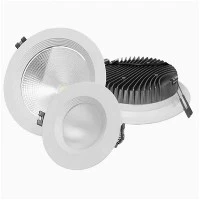
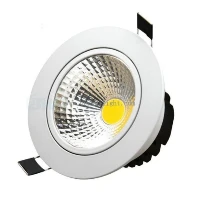
LED PAR lights have become increasingly popular in recent years due to their energy efficiency, long lifespan, and versatility. Whether you are looking to light up a stage, a retail display, or your home, choosing the right LED PAR light can make all the difference. Here are some key factors to consider when selecting the right LED PAR light for your needs.
1. Beam Angle
The beam angle is the angle at which light is emitted from the LED PAR light. This will determine the spread of light and how far the light will reach. A narrow beam angle will provide a focused beam of light, whereas a wider beam angle will disperse light over a larger area. Consider the space you need to light when choosing the beam angle of your LED PAR light.
2. Color Temperature
LED PAR lights are available in different color temperatures, which are measured in Kelvins (K). A lower Kelvin number (2700K-3000K) will emit a warm yellow light, similar to incandescent bulbs. A higher Kelvin number (4000K-6500K) will emit a cool white light, similar to daylight. Consider the mood and atmosphere you want to create when selecting the color temperature of your LED PAR light.
3. Wattage
The wattage of a LED PAR light will determine its brightness. Higher wattage lights will be brighter, but also use more energy. Consider the size of the space you need to light and the amount of illumination necessary when selecting the wattage of your LED PAR light.
4. Dimming Capability
Some LED PAR lights come with dimming capabilities, allowing you to adjust the intensity of the light as needed. Dimming capabilities can be useful for creating a more dynamic setting or for conserving energy when full brightness is not necessary. Consider whether dimming capabilities are important to you when selecting your LED PAR light.
5. Durability
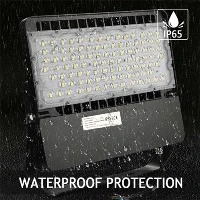
LED PAR lights are often used in commercial or outdoor settings and need to be durable enough to withstand exposure to the elements and frequent use. Consider the material and build quality of the LED PAR light when selecting one for these settings.
In conclusion, choosing the right LED PAR light requires consideration of several factors including beam angle, color temperature, wattage, dimming capabilities, and durability. By evaluating these factors in relation to your specific lighting needs, you can ensure that you select an LED PAR light that meets your unique requirements and delivers the desired lighting effect.