Reducing blue light exposure from LED lamps involves multiple strategies. While you can't eliminate all blue light (it's essential for white light), you can significantly minimize potential hazards (eye strain, sleep disruption) using these practical approaches:
1, Choose Warm Color Temperatures (CCT):
Opt for 2700K - 3000K: This is the MOST effective step. Lower Kelvin numbers mean warmer, yellower/redder light with less blue emission. Avoid "cool white" (4000K+) or "daylight" (5000K+) bulbs, especially for evening use.
Check Packaging: Look explicitly for "Warm White," "Soft White," or the 2700K-3000K range.
2, Select High Color Rendering Index (CRI 95-98 ) Bulbs:

Aim for CRI > 95. High-CRI LEDs use better phosphors to create white light, often resulting in a smoother spectrum with less intense blue spikes compared to low-CRI bulbs, even at the same CCT.
Use Dedicated Low-Blue Light or Circadian-Friendly Bulbs:
Evening/Sleep Mode Bulbs: Some smart bulbs (e.g., Philips Hue, GE Cync) offer modes that drastically reduce blue/green light, emitting mainly warm amber/red light ideal for pre-bedtime.
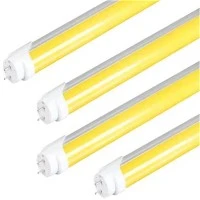
"Blue-Free" or "Amber" LEDs: Specialty bulbs emit only long-wavelength light (amber, orange, red) with virtually no blue. These are excellent for nightlights or very late evenings but aren't suitable for general task lighting.
Tunable White Bulbs: Allow manual adjustment of CCT from warm (e.g., 2200K) to cool. Set them to the warmest setting in the evenings.
3, Incorporate Dimming:
Use Dimmable Bulbs + Dimmers: Lowering the overall light level proportionally reduces the output of all wavelengths, including blue. Dimming warm white light in the evenings is very effective.
4,Employ Smart Controls & Timing:
Automate Color Temperature: Use smart bulbs or systems to automatically shift the CCT to warmer tones based on sunset or a schedule (e.g., start warming at 6 PM, reach 2200K-2700K by 8 PM).
Motion Sensors/Nightlights: Use very warm or amber LEDs in hallways/bathrooms for nighttime to avoid disruptive bright white light.
5, Optimize Usage & Environment:
Positioning: Avoid direct line-of-sight to bright LED chips. Use shades/diffusers to soften the light source.
Task-Specific Lighting: Use warmer ambient light and reserve slightly cooler (but still warm, e.g., 3000K) task lights only where critical detail work is needed.
Screen Time: Remember lamps aren't the only blue light source! Use device night modes (e.g., Night Shift, f.lux, Comfort View) in the evening.
Reduce Overall Brightness at Night: Embrace lower light levels in the hours before bed.
Get Daylight Exposure: Exposure to bright natural light during the day helps regulate your circadian rhythm, making you less sensitive to evening light.
Important Considerations & Clarifications:
"Blue Light Hazard" Context: The term often refers to potential photochemical retinal damage from very intense blue light sources (like staring directly into an unfiltered LED spotlight or the sun). For typical home LED lamps, this is NOT a significant risk. The primary concerns for household lighting are:
Circadian Rhythm Disruption: Blue light suppresses melatonin, delaying sleep.
Digital Eye Strain/Computer Vision Syndrome: Blue light scatters more, potentially contributing to fatigue, dry eyes, and headaches during prolonged close work.
Total Elimination is Impractical: Blue light is a necessary component of white light for color rendering and visual acuity during the day. The goal is responsible management, especially in the evening.
Beware of Marketing Gimmicks: Avoid bulbs that simply use a strong orange tint/coating to make the glass look amber – this reduces overall light output and quality without necessarily optimizing the spectrum effectively. Look for bulbs designed with true low-blue spectra.
Standards: Look for bulbs complying with standards like IEC 62471 (Photobiological Safety) for reassurance, though this is more relevant for intense light sources.
6, use RGO ( no blue light hazard ) LED lamp

Switch to Warm White (2700K-3000K) LEDs for most household lighting.
Prioritize High CRI (>95) bulbs.
Use smart bulbs with warm/amber evening modes or dedicated amber/red nightlights for pre-bedtime.
Dim lights in the evening.
Automate the shift to warmer light after sunset.
Combine this with reduced screen brightness and device night modes.
By focusing on warmer color temperatures, high-quality bulbs, smart controls, and mindful usage (especially in the evenings), you can effectively minimize the potential negative effects of blue light from your LED lamps. you can know more information on http://www.benweilight.com