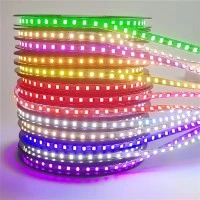
LED strip lights are becoming increasingly popular for adding ambiance to a space or for highlighting specific areas. They are versatile and affordable, making them a great option for any DIY project. However, installing LED strip lights can be tricky for first-timers. Here's a step-by-step guide to help you install LED strip lights like a pro.
1. Choose Your Strip Lights
Before you start installing your LED strip lights, it's important to select the right lights for your project. LED strip lights come in a variety of colors, lengths, and brightness levels. Determine the length you'll need, the color you want, and the brightness level you need, and purchase the corresponding lights.
2. Clean Your Surface
To ensure your LED strip lights stay adhered to your surface, it's important to clean the surface before installing. Use a cleaning solution to clean and dry the surface thoroughly.
3. Measure and Cut Your LED Strip Lights
Once you have your lights and your surface is clean, measure the length of the surface where you'll install your LED strip lights. Use scissors or a knife to cut your LED strip lights to the appropriate size.
4. Connect Your LED Strip Lights and Power Source
Follow the instructions that come with your LED strip lights to connect them to a power source. Some strip lights come with a power adapter that you can simply plug into an outlet. Others may require additional wiring. Make sure to follow the instructions carefully to avoid any potential electrical hazards.
5. Attach Your LED Strip Lights to Your Surface
Once your lights are connected to a power source, it's time to attach them to your surface. Peel the adhesive backing off of your LED strip lights and carefully attach them to your surface, making sure they are straight and evenly spaced.
6. Test Your Lights
After your LED strip lights are installed, it's important to test them before finishing the installation. Turn on your lights and make sure they are working properly.
7. Finish Your Installation
If your lights are working properly, finish your installation. Use tape or clips to hide any wiring, and cover any exposed power sources to prevent electrical shocks.
In conclusion, installing LED strip lights can be a great DIY project that can add ambiance and highlight specific areas in your home. Just follow these steps to install your LED strip lights like a pro and enjoy your new lighting system.