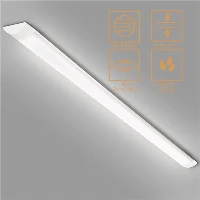
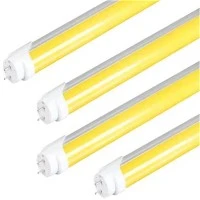
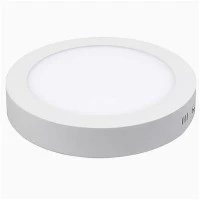
It is crucial to understand how to recycle downlights and light bulbs-yes, even the dusty bulb in the cabinet qualifies. It won't be enough to just know how to take out downlight bulbs and throw them in the trash. Even worse, several bulbs contain dangerous materials that, if they wind up in landfills, might seriously harm people.
There are many different kinds of downlights and bulbs (LEDs, fluorescents, etc.), and each has specific requirements for recycling and disposal. This post will teach you how to recycle and properly dispose of dead bulbs.
Understanding the Recycling Challenge (Why It Matters)
Downlight recycling seems easy, doesn't it? Simply throw them in the appropriate trash can and be done with it? Not exactly.
The Problem with Old Downlights
Downlights aren't just bulbs; they're a mix of metal, glass, and sometimes hazardous materials. That means you can't just throw them in your regular recycling bins. Doing so leads to landfill overflow, wasted resources, and, in some cases, a toxic mess.
What's more, some bulbs are delicate divas. They crack, shatter, and spill their hazardous contents if handled carelessly. If you've ever had to sweep up a broken bulb while questioning your life choices, you'll understand the struggle.
The Awkward Reality of Recycling
To make matters worse, not every waste management facility recycles lightbulbs. Some only accept specific varieties, while others require that you first remove the metal from the plastic (because, of course, they do). "Who will take my weird, old light fixture today?" is the game.
Finding the best location to recycle yours will need some detective work on your part. Don't worry, though; in the parts that follow, we'll make things simple for you.
Recycling Downlight Bulbs (Specific Instructions)
Not all bulbs are created equal. Some need extra care, while others are just stubbornly difficult to recycle.
Fluorescent and CFL Bulbs
Fluorescent and CFL bulbs contain mercury, so they require special handling. Here's what to do:
Never break them. If one breaks, ventilate the area and clean up carefully.
Store them in a sturdy, closed container to prevent damage.
Take them to a designated recycling centre. Many local councils and retailers accept them.
LED Bulbs
LEDs don't contain mercury, but they do contain valuable materials like rare earth metals, copper, and glass. Therefore, they should not be disposed of in landfills.
Check if your area has local recycling programs and see if they accept and recycle LED lights.
Some retailers have take-back programs for LEDs.
If recycling isn't available, dispose of them properly with electronic waste.
Halogen and Incandescent Bulbs
Bad news: these bulbs are not easily recyclable. The glass is treated, making it hard to repurpose.
Check with your local recycling centre, just in case.
If no recycling is available, wrap them in paper before disposal to avoid injuries from broken glass.
Consider switching to fire-rated or dimmable LED downlights for better energy efficiency.
Recycling Downlight Fixtures (Different Approaches)
Fixtures are made of more than just plastic and metal; in order to prevent landfill congestion, you must understand the correct recycling methods. Additionally, it facilitates the procedure to know how to carefully remove downlight bulbs.
Metal Fixtures
Good news! Metal downlight fixtures can often be recycled as scrap metal.
Remove any non-metal parts first.
Contact local scrap metal recyclers.
Some municipal recycling centres also accept metal fixtures.
Plastic Fixtures
Plastic fixtures are trickier. Some plastics are recyclable, but many are not.
Check with your local recycling program to see if they accept them.
If recycling isn't an option, consider repurposing them for DIY projects.
Complete Fixture Assemblies
Some recycling centres accept entire downlight fixtures, although policies vary.
Call your local recycling centre to ask if they accept whole assemblies.
If not, separate the components and recycle what you can.
Where to Recycle Downlights and Bulbs (Finding Collection Points)
Just as crucial as understanding how to recycle downlights is understanding where to recycle. It keeps your old bulbs out of the trash and saves time. It also prevents your trash from seeming to be a discarded scientific experiment.
Local Recycling Centres
Old lightbulbs and fixtures are accepted at a number of nearby recycling facilities. To locate one:
Visit the website of your local council.
Make use of internet recycling directories.
Ask by calling the recycling centre that is closest to you.
Retailer Take-Back Programs
Old lightbulbs and fittings can be returned to some stores.
In the UK, certain large chains occasionally feature collecting terminals.
Find out if old bulbs are accepted at electrical supply outlets.
Municipal Waste Collection
Some local councils offer special collection days for hazardous waste and electronics. It's also a great place to learn how to remove downlight bulbs and dispose of them properly.
Visit your council's website for details.
Check if they accept bulbs and fixtures in household waste collections.
Upcycling and Repurposing (Creative Alternatives)
Let's say you are unable to recycle your used lightbulbs or downlights. Why not make it into something awesome instead, then? Here are some recommendations:
Repurposing Fixtures
If recycling your fixtures isn't an option, get creative by making:
Hanging planters
Decorative wall sconces
DIY lamp projects
Upcycling Bulbs (With Caution)
Some people turn old kitchen and bathroom bulbs into decorative items like mini-terrariums or ornaments. Just be careful:
Avoid upcycling bulbs that contain mercury.
Wear gloves and work in a well-ventilated area when handling old bulbs.
Safety Precautions (Essential Guidelines)
Knowing how to recycle downlights is great. However, safety should always come first.
Handling Broken Bulbs
Broken lightbulbs may be dangerous. Take care to clean up:
Let the space breathe.
Avoid touching the glass and put on gloves.
Before discarding broken pieces, place them in a sealed container.
Transporting Bulbs
Transporting bulbs safely ensures they don't break before they reach the recycling centre:
Place bulbs in a sturdy box.
Cushion them with paper or bubble wrap.
Seal the box to prevent damage.
Electrical Safety
If you're removing downlights, don't forget basic electrical safety:
Always switch off the power before touching any wires.
If unsure, get an electrician to remove fixtures for you.