How to Solve Light Leakage at the Edge of Downlights After Installation
Light leakage around downlights-where unwanted light spills from the edges of the fixture-can ruin the clean, polished look of a ceiling and create an uneven lighting effect. This issue is common but often fixable with the right techniques. This guide explores the causes of light leakage and provides step-by-step solutions to achieve a seamless, professional finish.
Why Does Light Leakage Happen?
Before fixing the problem, it's essential to understand its root causes:
1. Improper Hole Size
If the ceiling cutout is too large, gaps form between the downlight trim and the ceiling.
If the cutout is too small, the trim may not sit flush, allowing light to escape.
2. Poorly Seated or Misaligned Trim
A warped or loosely installed trim leaves small gaps.
Adjustable gimbal downlights may not fully seal if not properly locked in place.
3. Thin or Uneven Ceiling Material
Drywall that is too thin (less than 1/2 inch) may flex, breaking the seal.
Textured ceilings (popcorn, stucco) prevent a tight fit.
4. Wrong Downlight Type for the Ceiling
Recessed vs. Surface-Mounted: Some downlights require deeper ceiling cavities.
IC vs. Non-IC Rated: Non-IC housings may not seal properly in insulated ceilings.
5. LED Downlight Design Flaws
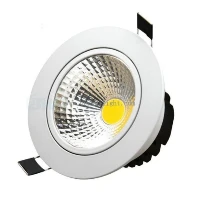
Cheaper LED downlights sometimes have poorly designed bezels that don't block side light.
Step-by-Step Solutions to Fix Light Leakage
1. Check the Hole Size & Adjust if Necessary
✅ If the hole is too big:
Use a trim retention clip (some manufacturers provide these).
Install a slightly larger trim to cover the gap.
Apply black silicone sealant around the edge (non-flammable for IC-rated fixtures).
✅ If the hole is too small:
Carefully widen it using a drywall saw or rotary tool.
Ensure the trim fits snugly without forcing it.
2. Ensure Proper Trim Installation
Press the trim firmly into place until it clicks or locks.
For spring-loaded trims, check that the springs are tight enough.
For twist-lock trims, rotate until fully secured.
3. Use Light-Blocking Accessories
Flange Extenders – Some trims come with extended flanges to cover gaps.
Gasket or Foam Tape – Apply self-adhesive foam around the trim edge to block light.
Black Paint or Marker – Darkening the inner edge of the hole reduces visible leakage.
4. Upgrade to a Better Downlight Design
Choose deep-baffle trims that minimize side light.
Opt for "no-gap" downlights with built-in sealing features.
5. Modify the Ceiling (If Needed)
For textured ceilings, scrape a small flat area around the hole.
Add a reinforcement ring if the drywall is too thin.
Preventing Light Leakage Before Installation
✔ Measure Twice, Cut Once – Always verify the hole size before cutting.
✔ Choose the Right Downlight – Match the fixture to your ceiling depth and type.
✔ Test Fit Before Final Installation – Check for gaps before securing the trim.
✔ Use High-Quality LED Downlights – Better-designed models reduce leakage risks.
Final Thoughts
Light leakage around downlights is a common but solvable issue. By ensuring proper hole sizing, correct trim installation, and using light-blocking techniques, you can achieve a clean, professional finish. If the problem persists, upgrading to a better-designed downlight or making minor ceiling adjustments may be necessary.
Would you like product recommendations for downlights with minimal light leakage? Let me know your ceiling type, and I can suggest the best options!