Indoor dragon fruit cultivation can be gratifying and entertaining. However, the development and general health of your indoor dragon fruit plant depend on the lighting conditions you provide. We'll walk you through the process of choosing the best LED plant grow light source in this post so that your indoor dragon fruit plant grows and yields at its best.
Recognizing the Need for Light
Native to tropical areas, dragon fruit plants do best in bright, indirect sunlight. They usually get six to eight hours of sunlight each day in their natural habitat. Instead than being exposed to direct sunlight, these plants prefer brilliant yet filtered light. Although they can withstand some shade, they may not grow well or produce as much fruit if they don't get enough light. Replicating dragon fruit plants' optimal lighting conditions inside requires an understanding of their natural light needs.
Photosynthesis, the process by which plants transform light energy into chemical energy to power their growth and development, depends on light. Through the chlorophyll in their leaves, plants collect light during photosynthesis, utilizing it to transform carbon dioxide and water into glucose and oxygen. Dragon fruit plants may find it difficult to generate enough energy for growth in the absence of proper light, which could lead to stunted development and subpar fruiting. In order for dragon fruit trees to begin flowering and eventually produce fruits, adequate light is also essential.
The intensity and duration of natural sunshine needed by dragon fruit plants are frequently absent from indoor settings. This is particularly true during the winter or in areas with little sunlight. Indoor dragon fruit growing requires additional illumination to make up for the lack of natural light. The necessary light spectrum and intensity for ideal growth can be supplied by additional lights, such as fluorescent, LED, or HID lamps. In order to ensure that dragon fruit plants receive enough light energy for photosynthesis, growth, and flowering, these lights can be adjusted to replicate natural light conditions.

Indoor Light Types
Indoor lights of various kinds, such as fluorescent, LED, and high-intensity discharge (HID) lights, are frequently used for plant cultivation. Because of its unique qualities and advantages, each variety can be used for a variety of plant needs and growing environments.
Benefits and drawbacks of every kind, including high-intensity discharge (HID), LED, and fluorescent lights
Fluorescent Lights: T5 and T8 fluorescent lights are common options for growing plants inside. They offer an excellent mix of light spectrum for plant growth and are reasonably priced. They are less effective than LED or HID lights, though, and as time passes, their light intensity decreases, necessitating more regular replacement.
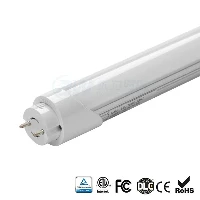
LED Lights: Because of their adaptability and energy economy, LED plant grow lights have become increasingly popular. They don't generate much heat, so you may put them near plants without worrying about them getting hurt. LED lights can be made to emit particular light spectrums that are suited to the requirements of plants at various stages of growth. They can be more costly up front than other kinds, but they last a long time and need little upkeep.
High-Intensity Discharge (HID) Lights: HID lights, which include metal halide (MH) and high-pressure sodium (HPS) lamps, are renowned for their high efficacy and light intensity. They offer a well-balanced light spectrum that is appropriate for both flowering and vegetative growth. HID lights, however, produce a lot of heat and need extra cooling systems. They also have a shorter lifespan and use more energy than LED lights.
Emphasize each lighting type's longevity, energy efficiency, and spectrum selections.
Fluorescent lights: Compared to HID lights, fluorescent lights use less power and are therefore more energy-efficient. Their lifespan is moderate, ranging from 10,000 to 20,000 hours. Although they offer a well-balanced spectrum of light, they could not be as intense in other wavelengths, necessitating the use of particular bulbs or tubes for the best possible plant growth.
LED Lights: Compared to other lighting kinds, LED lights use a lot less electricity and are therefore more energy-efficient. Their longevity of 50,000 hours or more is astounding. LED lights come in a variety of spectrum options, including full spectrum, which includes all of the wavelengths required for plants at every stage of growth.
High-Intensity Discharge (HID) Lights: plant grow LED lights use less energy than HID lights, especially HPS and MH lamps. Their lifespan is moderate, ranging from 10,000 to 20,000 hours. A wide range of light wavelengths, including cool blue and warm red, are provided by HID lights and are necessary for both flowering and vegetative growth.
When selecting the ideal lighting type for your indoor dragon fruit, it's critical to take longevity, energy efficiency, spectrum possibilities, and initial cost into account. Many indoor growers prefer LED lights because of their extended lifespan, energy economy, adjustable spectrum, and lower heat generation. When choosing, nevertheless, you should also take your budget and the particular lighting needs of your dragon fruit plants into account.
Selecting the Proper Spectrum
The range of light wavelengths that plants absorb and use for photosynthesis is known as the light spectrum. The growth and development of plants are affected differently by different light wavelengths. In order to provide the ideal lighting conditions for plant growth, it is essential to comprehend the importance of the light spectrum.
The red and blue portions of the spectrum are where plants absorb the most light. Red light, which has wavelengths between 630 and 660 nanometers, is necessary for plant development in general as well as for flowering and fruiting. Blue light, which has wavelengths between 400 and 450 nanometers, is essential for vegetative growth because it affects the formation of chlorophyll, stem elongation, and leaf development.
Dragon fruit plants need a larger percentage of blue light when they are in the vegetative growth stage. Strong, compact growth, increased leaf output, and the development of a strong root system are all aided by blue light. At this time, giving the plant enough blue light promotes strong foliage and gets it ready for blossoming.
The dragon fruit plant needs a change to a higher percentage of red light when it enters the flowering stage. The blooming response, flower bud formation, and fruit development are all triggered by red light. During this phase, a greater proportion of red light to blue light guarantees the best possible flower and fruit production.
Although the most important wavelengths for plant growth are red and blue, a balanced spectrum that contains both is essential for the general health and development of plants. Plants are guaranteed to get the entire spectrum of light wavelengths required for photosynthesis and other physiological functions when the spectrum is balanced.
By limiting excessive elongation or "stretching" of the stems, the combination of blue and red light helps to preserve a compact and robust plant structure. Additionally, blue light promotes the growth of robust and healthy leaves, which improves the plant's capacity to absorb light energy for photosynthesis.
However, in order to initiate the blooming response and encourage fruit growth, red light is necessary. Dragon fruit trees may find it difficult to form fruits or blooms in the absence of enough red light, which would result in lesser yields.
Dragon fruit plants are certain to receive the light energy they require for strong vegetative development, fruitful flowering, and copious fruit production when a balanced spectrum comprising both blue and red light wavelengths is provided.
Calculating the Intensity of Light
The quantity of light energy that reaches a certain location or surface is referred to as light intensity. Because it directly affects the pace of photosynthesis and total plant development, it is essential to plant growth. Sufficient light intensity is necessary to provide plants the energy they need to make carbohydrates and perform other physiological functions.
Weak and lanky growth, decreased leaf formation, and decreased yields might result from inadequate light intensity. Conversely, excessive light intensity can result in heat stress, leaf bleaching, and light burn. Achieving the ideal light intensity balance is essential for maximizing plant growth and guaranteeing sound development.
The two most widely used units for measuring light intensity are lux (lx) and foot candles (FC). The quantity of light that reaches a certain surface area is indicated by these units.
In the US, foot-candles (FC) are a widely used unit of measurement. It describes the amount of light that strikes a one-square-foot space that is one foot from the source of the light. Conversely, the international unit of measurement for the amount of light falling on a one-square-meter area is Lux (lx).
Growers can evaluate and analyze various lighting configurations and their effects on plant growth by using both foot-candles and lux, which both indicate the intensity of light in a specific location.
Depending on the stage of growth, different light levels are better for indoor dragon fruit plants. The following are some broad rules:
Vegetative Growth Stage: Dragon fruit plants thrive on moderate to high levels of light intensity during this phase. Aim for light levels between 3,000 and 6,000 foot candles (32,000 and 64,500 lux) to encourage robust growth, robust stems, and good leaf development.
Stage of Flowering and Fruit Development: In contrast to the vegetative stage, the dragon fruit plant needs a little less light intensity as it moves into this stage. During this phase, try to maintain light levels between 2,000 and 4,000 foot candles (21,500 and 43,000 lux). Fruit maturation, appropriate fruit set, and flowering are all aided by somewhat reduced light intensity.
It's crucial to remember that these are only recommendations and that the optimal light intensity might change based on a number of variables, including the particular type of dragon fruit, the surrounding environment, and the lighting system being used. For the best growth and development, it is essential to regularly check how the plants react to light and modify the light intensity as necessary.

Calculating the Duration of Light
The amount of time that plants are exposed to light each day is known as their light duration, or photoperiod. It is essential to the growth and development of dragon fruit plants grown indoors. The proper duration of light is crucial because it affects a number of physiological functions, including as photosynthesis, flowering, and fruiting.
The timing of vital growth phases, hormone production, and plant metabolism are all regulated by the amount of light received. These processes may be hampered by insufficient light duration, which may result in vegetative development that does not advance to the reproductive phase, delayed blooming, or decreased fruit yield. On the other hand, too much light can also harm plants by causing stress or an imbalance in energy.
Vegetative Growth Stage: Dragon fruit plants benefit from extended light durations during this stage of growth. Approximately 12 to 16 hours of continuous light per day are advised for this stage. Longer light durations encourage vegetative growth, which enables the development of robust stem structure, robust roots, and healthy leaves.
Flowering and Fruit Development Stage: To initiate and promote the reproductive process, dragon fruit plants must be exposed to varying light durations when they enter this stage. It is best to cut back on the amount of light exposure to about 8 to 10 hours each day during this phase. The plant is signaled to begin flowering and fruit production by this reduction in light duration, which helps mimic natural day length fluctuations.
Although broad guidelines can be useful, it's crucial to modify the light duration according to your dragon fruit plant's particular requirements and reactions. Here are some rules to think about:
Track the Plant's Growth Stage: Keep an eye on your dragon fruit plant's growth stage and modify the light duration as necessary. To decide whether to go from the vegetative growth stage to the flowering stage, keep an eye out for indications of fruit development and flower bud creation.
Emulate Natural Light Cycles: Dragon fruit plants react to variations in the length of the day. To replicate the natural light cycles of the particular dragon fruit variety you are cultivating, think about varying the light duration. Reduce the amount of light gradually to initiate the reproductive period, for instance, if your dragon fruit variety is known to flower and fruit during shorter day lengths.
Gradual Transitions: To give the plant time to respond, make changes to the light duration gradually. The growth cycle may be disturbed and stress may result from abrupt changes in the amount of light. The plant can adapt and preserve its general health by making little changes over a period of days or weeks.
Frequent Observation and Adjustment: Keep an eye on how the plant reacts to the changed light duration. Keep an eye on the growth rate, general health of the plant, and the development of the flowers and fruit. Depending on the particular requirements and growth patterns of the plant, adjust the light length as needed.
You can efficiently support your dragon fruit plant's development, promote optimum flowering, and guarantee maximum fruit production by giving it the right amount of light for the duration of its growth, taking into account its particular requirements and developmental stage.
Position and Distance
When it comes to indoor gardening, the positioning and distance of light are very important since they have a direct effect on the health and growth of your dragon fruit plant. Correct lighting placement guarantees that the plant gets enough light energy without suffering from any side effects, including light burn or inadequate light penetration.
Light burn or light stress can occur when lights are placed too close to the plant. When a plant is exposed to too much heat and light, it can develop light burn, which damages the leaves or perhaps the plant as a whole. Because the plant cannot handle the additional light energy, light stress can cause the leaves to bleach, wilt, or grow more slowly. Plant growth and development can be hampered by both light burn and light stress.
Taking into account the light intensity and the stage of growth of the plant, suggest the ideal distance between the dragon fruit plant and the light source.
Seedling Stage: It is advised to place the light source 12 to 18 inches (30 to 45 centimeters) above the dragon fruit plant during this stage, when it is still tiny and fragile. While maintaining enough light intensity for healthy growth, this distance helps avoid light burn.
Vegetative Growth Stage: You can progressively approach closer to the light source as the plant becomes bigger and moves into the vegetative stage. Around 6 to 12 inches (15 to 30 centimeters) above the plant is the ideal distance. For the best leaf development and vegetative growth, this closer proximity guarantees sufficient light penetration and intensity.
Flowering and Fruit Development Stage: It is normally advised to keep a space of 6 to 12 inches (15 to 30 centimeters) between the plant and the light source during this stage. This closeness aids in supplying the light intensity required to promote pollination, fruit maturation, and flower production. During this phase, it's critical to keep a constant eye on the plant to make sure it's not under any stress or light burn.
Keep in mind that the ideal distance may change based on the particular light source and intensity, as well as the traits of your dragon fruit plant's growth. Keep an eye on how the plant reacts to the light arrangement on a regular basis and modify as necessary. Remember that different types of dragon fruit may require varying amounts of light, so it's crucial to take your plant's needs into account.

Observing and Modifying
Maintaining ideal development circumstances for your indoor dragon fruit plant requires routinely observing how it reacts to light. The type of dragon fruit, the lighting arrangement, and the surrounding environment can all affect how much light is needed. You may make the required changes to guarantee your plant gets the proper quantity and type of light for healthy growth by paying close attention to how it reacts to light.
Lack of Light
Leaf Discoloration: Leaves that receive little light may seem yellowish or pale. In severe situations, they might even turn entirely white or yellow.
Stretching: In an attempt to find more light, plants may stretch toward the light source, displaying lanky growth patterns and long, spindly stems.
Stunted Growth: Insufficient light can cause plants to grow more slowly overall and with less vigor.
Too Much Light
Leaf Discoloration or Browning: Overexposure to light can result in leaf burn, which turns the tips or margins of leaves brown or burned.
Leaf Curling: As a defense mechanism against too much light and heat, leaves may curl or fold inward when exposed to high light levels.
Stunted Growth: Excessive light can actually impede growth and result in stunted development, contrary to the common belief that more light equates to better growth.
Changing the Light Distance
Lowering the light source or reducing the distance between the light and the plant may be necessary to improve light intensity if symptoms of a light shortage are noticed.
To lessen light intensity and avoid light burn, move the light source closer or increase the distance if there are indications of light excess.
Changing the Length of Light
If your dragon fruit plant is showing symptoms of either too much or too little light, you may need to change the length of time it receives light. Depending on the plant's reaction and stage of growth, adjust the duration.
To give additional energy for growth throughout the vegetative stage, think about progressively extending the light duration. Reduce the amount of light progressively during the blossoming period to encourage the production of flowers and mimic natural day-length variations.
Adjusting the Light Spectrum
Think about modifying the light spectrum if you observe certain signs of either too much or too little light, such as lanky growth or poor blossoming. You may alter the light spectrum using plant grow LED lights, increasing the amount of red or blue light as necessary.
Keep an eye out for any indications of either too much or too little light on your dragon fruit plant. Pay special attention to the color of the leaves, the growth habits, and the general health of the plant. You can make educated changes to the light arrangement, such changing the distance, duration, or spectrum, to suit your plant's particular requirements by keeping an eye on how it responds.
Keep in mind that each plant is different, and depending on how each one reacts, modifications might be necessary. Your indoor dragon fruit plant will benefit from the best lighting conditions for fruit development, flowering, and healthy growth if the light configuration is continuously monitored and adjusted.