Although ultraviolet (UV) radiation is emitted by both UV lamps and sunshine, there are notable differences in the sources, spectrum compositions, intensities, and impacts on materials and living things. Applications in everything from industry and healthcare to daily life require an understanding of these distinctions.
Place of Origin and Generation
The natural occurrence of sunlight is caused by nuclear fusion reactions that take place in the sun's core. A tremendous quantity of energy is released during these reactions as electromagnetic radiation, which includes UV, infrared, and visible light. After passing through space, the ultraviolet portion of sunlight enters the Earth's atmosphere, where it is partially absorbed by the ozone layer, water vapor, and other gases.
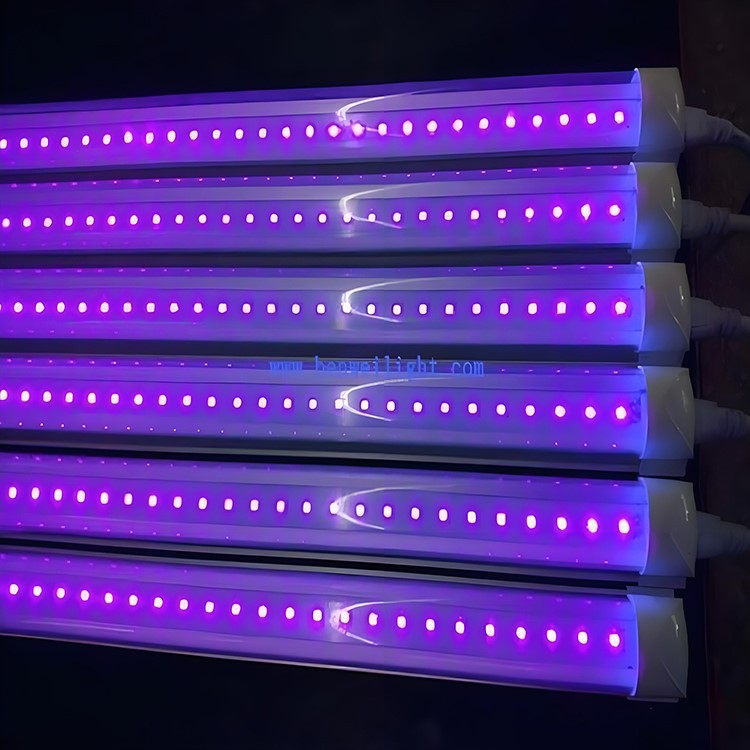
UV lamps, on the other hand, are man-made gadgets made to produce UV light. UV lights come in various varieties, such as light-emitting diodes (LEDs), medium-pressure mercury lamps, and low-pressure mercury lamps. Low-pressure mercury lamps, which are frequently used to cleanse the air and purify water, function by running an electric current through mercury vapor, which releases ultraviolet light. In contrast, LED UV lamps use the recombination of electrons and electron holes in a semiconductor material to produce UV light.
The composition of the spectrum
Three primary categories can be distinguished in the UV component of sunlight: UVA (wavelengths between 320 and 400 nm), UVB (280 and 320 nm), and UVC (100 and 280 nm). About 95% of all UV radiation from sunlight reaches the Earth's surface as UVA, which makes up the biggest percentage. It can cause long-term damage by penetrating deeply into the skin and is the cause of skin tanning. Being more energetic than UVA, UVB is mostly to blame for sunburn and is a major contributor to the development of skin cancer. The ozone layer absorbs the majority of the sun's UVC rays, preventing them from reaching the surface of the Earth.
Conversely, UV lamps can be made to emit particular UV radiation wavelengths. For instance, UVC light, which is mostly emitted by low-pressure mercury lamps at a wavelength of 253.7 nm, is very effective at eliminating bacteria, viruses, and other microbes. Additionally, certain UV lamps are engineered to emit UVA or UVB light for particular uses, such phototherapy for skin conditions or UV curing in the printing and coating industries.
Exposure and Intensity
Numerous variables, including as the time of day, season, latitude, and weather, affect how intense the UV radiation from the sun is. The UV intensity can be very high at noon on a clear day close to the equator, but it is much lower on cloudy days or in the early morning and late afternoon. On the other hand, UV lamp intensity may be precisely adjusted. For instance, in a UV disinfection system, the UV lamp's intensity can be changed to guarantee that the target microorganisms receive enough UV light exposure to be rendered inactive.
Sunlight exposure Although excessive exposure to UV radiation can have negative health impacts, such as skin damage, accelerated aging, and an increased risk of skin cancer, it is a natural part of life. When used appropriately, UV lights can be a useful and safe tool for a number of purposes. Proper safety measures, like wearing protective clothes and eyeglasses, are crucial because direct exposure to high-intensity UV lamps can also seriously harm the skin and eyes.
Uses
UV radiation from sunlight can have both positive and negative effects. On the one hand, it is necessary for the body to produce vitamin D, which is critical for healthy bones. However, overexposure can result in skin cancer and other skin damage. In contrast, UV lamps can be used for a variety of purposes. In order to stop the transmission of infectious diseases, UV lamps are used in the healthcare sector to disinfect medical equipment, surfaces, and air. UV light is used in the food business to disinfect and preserve food. UV lights are used in the printing and coating industries to cure inks and coatings, which can greatly increase the products' quality and longevity.
In conclusion, UV radiation is emitted by both sunshine and UV lamps, but they are not the same thing. Their applications, spectral makeup, intensity, and place of genesis vary. It's critical to comprehend these distinctions in order to use UV lamps safely and effectively and to safeguard ourselves against the negative consequences of prolonged exposure to UV light from the sun.