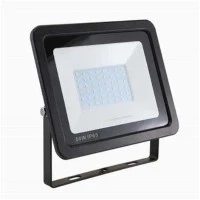
LED Lamps vs. Fluorescent Lamps
I. Energy-Saving Mechanisms of LED Lamps
The application of LED lamps is an important energy-saving measure in the field of lighting technology. Compared with traditional lighting methods, LED lighting technology has superior energy-saving characteristics and numerous advantages. With the application of new technologies, new materials, and new processes, LED lamps can provide the same high brightness with lower energy consumption. Especially in today's era of energy shortages and strict environmental protection requirements, LED lamps are gradually replacing traditional lamps that are energy-intensive and inefficient. Fluorescent lamps convert electrical energy into light energy by generating ultraviolet rays through gas discharge, which then excite phosphors to emit light [2]. It is evident that the conversion from electrical energy to visible light requires two energy conversions, each resulting in energy loss. In contrast, LED lamps convert energy through their core component, the LED chip. This chip is a semiconductor light-emitting device, a new type of semiconductor material developed after fluorescent energy-saving lamps and manufactured using a novel process. It can directly convert electrical energy into visible light, eliminating unnecessary energy conversion steps and significantly improving energy efficiency and the luminous efficacy of the lamp. 2. Experiment and Case Study:
We selected some brands and specifications of 1.2 m T5 tubes from 1.2 m and 0.6 m strip tubes for experimental verification (further comprehensive and detailed demonstration, the sample size and brand coverage need to be expanded later). The model specifications and main related parameters of the sample tubes are shown in the table below:

After multiple experimental tests and data recording and collation [4], the main data collected included actual illuminance, real-time current, real-time power and 24-hour power consumption. The average value was calculated based on the collected raw data as the effective data for energy consumption analysis in this paper. See the table for details:

Due to the differences in driving circuits, manufacturing processes and materials between fluorescent lamps and LEDs, the energy consumption per unit illuminance of a fluorescent lamp system is significantly greater than that of an LED lamp. Therefore, under the same illuminance requirements, LED lighting has obvious energy-saving characteristics compared to fluorescent lighting systems.
We replaced the original fluorescent lamps in an office building with LED lamps. The building's actual electricity consumption for lighting was 1,708,104 kWh one year before the renovation. After the renovation, the actual electricity consumption was 968,360 kWh, a reduction of 739,744 kWh, representing an energy saving rate of 43.3%. The electricity cost savings amounted to RMB 527,437.47.
III. Characteristics and Prospects of LED Lights

3.1 Advantages of LED Lights in the Lighting Field
High Efficiency and Energy Saving
With continuous advancements in science and technology and manufacturing processes, the research and development of LED chip materials can continuously improve luminous efficacy and further reduce energy consumption. In the future, the luminous efficacy of LED chips may even reach 250 lm/W or higher, making the energy-saving advantages of LED lighting fixtures even more prominent. The color rendering index will also be improved accordingly, more realistically restoring the original colors of objects. Simultaneously, technological advancements will enable more precise directional light emission, avoiding light scattering and waste, thereby improving light utilization efficiency.
Green and Environmentally Friendly
First, LED lights do not contain harmful substances such as mercury and lead, and will not cause pollution to the environment.
Second, because the light-emitting mechanism of LED lights is different from that of traditional lamps, there is no greenhouse gas emission during the light-emitting process.
Finally, the waste of LED lights can be recycled and reused, which is in line with the concept of sustainable development and belongs to the contemporary green lighting products.
Good Economic Effect
First, in addition to the high efficiency and energy saving that greatly reduces the payment of lighting electricity and effectively saves operating costs, the ultra-long service life of LEDs will also reduce certain maintenance costs. The lifespan of ordinary fluorescent lamps is generally 1,000 to 5,000 hours, while the lifespan of LED lights is 25,000 to 50,000 hours [5], or even longer. Therefore, in the same period of use, the frequency of replacement of LED lights is much lower than that of traditional lamps.
Fourth, Conclusion
In today's era of pursuing sustainable development, energy conservation and consumption reduction have become important issues in various fields. As a representative product of "green lighting" in the 21st century, LED lights are a new generation of lighting products following the three generations of lighting innovations: torches, incandescent lamps, and fluorescent lamps. Their energy-saving lighting technology is developing towards higher luminous efficiency, greater intelligence, and multi-functional integration. With its superior energy-saving characteristics, it has achieved significant energy-saving results in practical applications.
https://www.benweilight.com/lighting-tube-bulb/high-cri-95-98-t8-led-tube-light.html