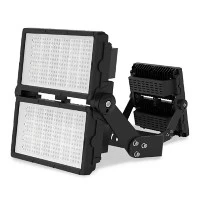
In addition to illuminating exhibits and artifacts, lighting in museums is essential for forming visitor experiences and guaranteeing the preservation of artifacts. LED technology has become a popular option for museums all over the world in recent years due to its unparalleled adaptability, energy efficiency, and conservation advantages. Along with experiences from successful deployments, this essay examines the benefits, difficulties, and best practices of incorporating LED lighting in museum spaces.
Lighting's Function in Museums
There are several uses for lighting in museums. By highlighting important exhibits, highlighting details, and establishing an atmosphere that complements curatorial storytelling, it improves aesthetics. Another important factor in the preservation of artifacts is adequate illumination. Numerous materials, such as paper, textiles, and paintings, are light-sensitive, and over time, the ultraviolet (UV) and infrared radiation from conventional light sources can harm them irreparably. Furthermore, lighting facilitates easy navigation and discreetly directs visitors' attention as they move around displays.
Although they are useful in certain ways, conventional incandescent or halogen lights use a lot of energy and release dangerous UV and infrared radiation. LED lighting, on the other hand, provides a more sustainable and safe alternative for both artifacts and operating expenses.
Why LED Lighting Is Being Used in Museums
LED lighting is becoming more and more popular in museums all around the world because of a number of important advantages. One of the biggest benefits is energy efficiency, since LEDs use a lot less electricity than conventional lighting systems, which eventually saves a lot of money. Their longevity is another important consideration. Because LEDs last a lot longer, they require less upkeep and replacement.
Another attractive feature of LED lighting for museums is its versatility. LEDs may be customized to match the unique requirements of each exhibitions thanks to their changeable color temperature and brightness levels. LEDs are also more safer for safeguarding fragile artifacts because they emit very little UV and infrared radiation. The use of LED technology is also motivated by sustainability, as museums look to lower their carbon footprints and align with more general environmental objectives.
LED lighting is a desirable option for museums aiming for sustainability, efficiency, and artifact preservation because of these benefits.
The Best Ways to Install LED Lighting in Museums
Careful planning is needed to combine preservation, use, and aesthetics when implementing LED lighting in museum settings. The lighting requirements of museums should be carefully evaluated before switching to LED technology. The lighting levels and color temperatures needed for various areas, including galleries, interactive exhibitions, and storage rooms, vary.
To guarantee accurate color depiction of exhibits, LED lighting with a high Colour Rendering Index (CRI) must be given priority when choosing them. By minimizing direct exposure to delicate artifacts and, when required, utilizing diffused light, lighting design should also put preservation first.
With the help of sophisticated automation and remote controls provided by modern LED systems, museums can effectively adjust lighting conditions. To get the greatest results, working with seasoned lighting designers who are aware of the needs unique to museums is essential.
The significance of matching lighting design to the museum's curatorial vision is emphasized by Jed Barnes, a well-known lighting expert who specializes in cultural heritage settings. "LED technology is about precision, not just energy efficiency," he says. It is the duty of museums to showcase their treasures in the best possible light. The correct LED solutions can preserve the integrity of artworks and artifacts for future generations while highlighting subtleties that might otherwise go overlooked.
Examples of Cases: Successful LED Lighting Installation in Museums
Obstacles and Things to Think About
Despite the significant advantages of LED lighting, museums may encounter some difficulties when putting it into practice. The high upfront cost of switching to LED systems is one of the main challenges. The initial outlay might be high, especially for larger organizations, even though the long-term benefits are enormous.
The requirement for technical skill is another factor to take into account. Museums may need to work with skilled lighting designers and engineers to install and manage LED systems, which frequently call for specialized skills. Furthermore, installing contemporary LED lighting in older museum structures can pose structural and electrical difficulties.
Notwithstanding these obstacles, the majority of museums discover that the long-term advantages of reduced energy costs, more visitor satisfaction, and better artifact preservation greatly exceed the short-term difficulties.
In conclusion
LED lighting is an investment in sustainability, visitor engagement, and artifact preservation, not merely a technical advancement. Through meticulous planning and implementation of LED transitions, museums may lower expenses, enhance the quality of their exhibits, and support international sustainability initiatives.
It is recommended that museums thinking about upgrading take the initial step, speak with lighting experts, and embrace sustainable lighting's future.
Our address
No. 5-3 Niujiao Road, Yanchuan Community, Yanluo Street, Bao'an District, Shenzhen
Phone(Whatsapp/Wechat)
+86 18659785153
bwzm04@ledbenweilighting.com