We have been utilizing light bulbs for almost 150 years, in case you were unaware.
The lifespan of the original light bulbs was about fifteen hours. Your light bulbs can now endure for decades thanks to technological advancements.
However, all light bulbs will eventually reach the end of their useful lives. How should unwanted light bulbs be disposed of? Is it possible to recycle light globes?
Continue reading to learn more about light bulb recycling and why it's the best way to get rid of your old light bulbs.
The Benefits of Light Bulb Recycling
Light bulb recycling makes sense for many reasons, some of which are listed below.
Harmful Materials
Mercury, which is extremely dangerous, is found in many bulbs, including fluorescent tubes and HIDs. Mercury from these bulbs can leak into the water system and inflict irreparable harm if they are not disposed of properly.
Save Resources
Recycling is the process of repurposing light bulb materials for new uses. As non-renewable resources, metals, polymers, and even glass are depleted and cannot be replenished.
Recycling enables these materials to be utilized repeatedly in various applications.
Reduce Landfill
If you don't recycle bulbs, they end up in landfill.
Landfills pollute the local area, so the more we can do to reduce the amount of waste going to landfill, the better.
What Type of Bulbs Can You Recycle?
Different materials are used in different manufacturing processes for different kinds of bulbs. This implies that you must also recycle them in various ways.
Halogen Bulbs
Some individuals erroneously believe that you may include halogen bulbs in your regular glass recycling because they are mostly made of glass.
This isn't true. These bulbs cannot be recycled with regular glass because they employ heat-resistant glass to withstand the heat produced by the filament.
Can light globes be recycled, then? Indeed, they are. These bulbs can be recycled at some recycling facilities.
Simply put light globes in their original packaging or wrap them in newspaper and dispose of them with your household trash if you are unable to locate a recycling facility in your area.
LED Bulbs
Can globes made of LED lights be recycled? In a nutshell, sure! LED bulbs may be recycled much like halogen lights.
Once more, either wrap these bulbs in paper or return them to their packaging and dispose of them with your household garbage if you are unable to locate a recycling facility in your area that can recycle these kinds of bulbs.
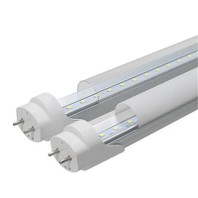
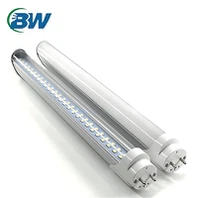
Fluorescent Tubes
Because most fluorescent tubes contain mercury, they should not be disposed of in the recycling or domestic trash. To be recycled properly and without producing any harmful pollutants, they must be brought to a recycling facility.
Fluorescent bulbs shatter often due to their awkward form. You should be careful while cleaning up fluorescent tubes that have been broken. Before you start cleaning up the debris, open the windows and let the room air out for twenty minutes.
Put on some gloves when the room has cooled down, and then gently place everything in a zippered bag. After that, you may take it to a recycling facility for light globes.
Compact Fluoros (CFLs)
Fluorescent tubes that have been folded back on themselves several times to reduce their size are similar to tiny fluorescent bulbs.
Similar to fluorescent tubes, these bulbs should be disposed of by transporting them to a recycling facility since they contain mercury. These bulbs shouldn't be included to your household garbage.
The procedure for breaking a compact fluoro should be the same as for breaking a fluorescent tube. Make sure you take the lightbulb to a recycling facility rather than throwing it in the trash.
HIDs
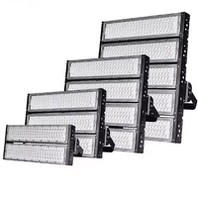
High-Intensity Discharge is referred to as HID. Because they can illuminate a large area, these bulbs are frequently employed in applications including floodlights, street lights, and automobile headlights.
HID bulbs should not be thrown in the trash since they contain mercury as well. Instead, they should be disposed of at a recycling facility. Handling a damaged HID bulb requires extreme caution.
Metal Halides
Another kind of high-efficiency bulb used in applications like automotive headlights and photography illumination is the metal halide bulb.
Mercury is also present in these bulbs. Like all mercury-containing bulbs, you should take these to a recycling facility rather than disposing of them yourself.
What Gets Recycled?
Depending on the kind of lightbulb, different materials can be recovered.
Although the glass in LED and halogen lights may be recycled, it is not recycled in the same manner as regular glass because, as we have previously seen, the glass is heat-resistant.
Additional materials are also provided by mercury-containing bulbs. After being broken up, the bulbs are cleaned to get rid of any impurities. After that, they go through a distillation process that removes the phosphor and mercury from the bulbs.
The glass, plastic, and metals in the remaining parts of the lightbulb are broken down. After that, they are recycled and utilized again in different goods.