The Value of Lighting
To produce eggs, layers need 14 hours of light every day. This happens yearly in the spring when the days start to become longer and the hen's reproductive system adjusts to the extra light.
Early autumn sees a decrease in daylight hours, which causes a decrease in egg production as well. This is nature's orderly method of avoiding babies from hatching-and dying-during the toughest period of the year.
This time off also gives hens a chance to replenish their protein and calcium stores after months of almost nonstop egg production. It takes the introduction of artificial light to change the normal production cycle of a layer.
The importance of timing
Installing lighting in the coop is the quickest technique to increase the production season of a flock of laying birds. Even if it appears simple, there are a lot of things to think about. The most important of them is that any extra illumination has to be timed so as not to interfere from your chickens' normal roosting.
This may be done by lighting their coop in the morning rather than at night. As the day becomes shorter, extend the time your coop lights are on so that the combined amount of natural and artificial light is 14 hours.
It is harmful to increase artificial lighting at night. They are unable to go to sleep when their circadian cycle requires them to. Additionally, the light makes them more likely to resist going inside their coops after dark, leaving them vulnerable to predators.
Incandescent vs. fluorescent
If you want eggs from your hens this winter, kind of illumination is just as crucial as lighting time.
There's no need to light up your chicken coop like your chickens are having a party inside. Additional lighting need to be subdued, providing just enough light to read by. Because of this, fluorescent lighting is often too powerful for use in coops.
The dust that is always present within a coop is drawn to the long fluorescent lamps as well. This necessitates regular cleaning of both the fixture and the bulbs. Additionally, fluorescent lights behave erratically in cold climates, which significantly reduces their effectiveness in an environment where eggs are produced.
With its range of wattages and warmth levels, incandescent lights are a better option.
Choose a warm, orange wavelength if you can. In contrast to a chilly, blue environment, this will assist increase your chickens' reproductive cycle. It's possible that using incandescent lighting is more expensive than using fluorescent lighting. However, the benefit of this trade-off is how it affects your layers.
LED illumination
Using light-emitting diode (LED) bulbs is another option for coop lighting. Compared to incandescent and fluorescent lights, LED bulbs usually last longer and use less energy. They are the safest option for use inside a dirty coop since they release far less heat than incandescent bulbs and are more dependable in cold weather than fluorescent lamps.
However, warm-wavelength LED bulbs are in great demand and may be hard to locate, and LED fixtures and bulbs are much more expensive than both incandescent and fluorescent lighting.
For egg producers whose coops lack electricity, battery-powered LED light fixtures may seem to be the answer. Unfortunately, since these lights are touch-activated, flock keepers would have to walk outside to their coops at about three in the morning to turn them on.
Furthermore, there is no assurance that an inquisitive hen won't try to turn off the light with a peck.
Installation
Make sure the lighting system is installed securely no matter what type you choose. Because it may fall into the mattress below and ignite it with the heat of the bulb, a loose fixture poses a fire risk.
Install your lights above, ideally on the ceiling, and at a level over your feeder and waterer. Make sure there aren't any exposed bulbs. Your light fittings should have cages or panels protecting the bulbs to avoid dust buildup and contact with debris in the event that the fixture falls.
Make sure there is no way a bird could conceivably perch on your fixture, the electrical cable, or the timer. Finally, remember when you installed the lights so you may be ready to replace the bulbs before they go out and leave your layers literally in the dark.
It was understandable why the young homesteader was dissatisfied. She and her boyfriend had intended to raise chickens as naturally as possible without using any power. For the time being, she is remaining true to her original strategy and only changing her expectations for eggs from their birds from this winter to late spring.
She and her partner will have an insightful chat if the suspense becomes unpleasant.


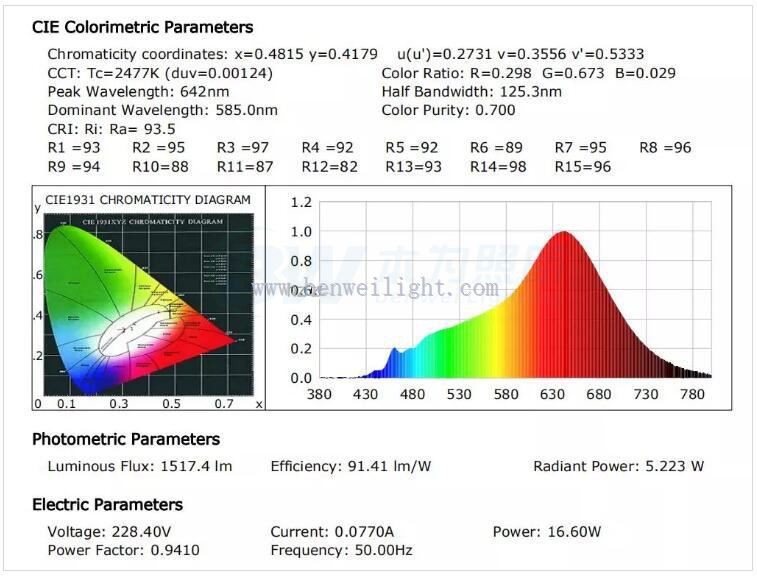
Benwei chicken coop lighting for egg production
|
Power |
Dimension(MM) |
LED Quantity(PCS) |
|
9W |
600*26mm |
Epistar 2835/48PCS |
|
13W |
900*26mm |
Epistar 2835/72PCS |
|
18W |
1200*26mm |
Epistar 2835/96PCS |
|
24W |
1500*26mm |
Epistar 2835/120PCS |
|
36W |
2400*26mm |
Epistar 2835/384PCS |