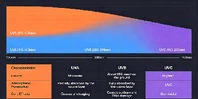
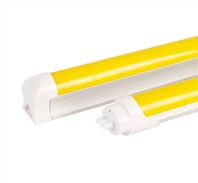
A crucial external factor that is increasingly recognized as a key management tool in the poultry industry is light color. Depending on whether a certain color of light is utilized consistently during the production cycle or alternated with other colors, various colors have varying impacts on the performance of chickens.
In general, birds like to eat their food in white light because it makes it easier for them to distinguish between textural variations that they cannot notice in other colors. Other light colors may not necessarily produce hens who respond to feed intake as well as white light in terms of growth performance. However, when light colors interact with additional elements like light intensity and feed color, better results may be obtained. Therefore, the intended production target or the production issue to be resolved should be taken into consideration when selecting a lighting color scheme.
In certain research, feeding behavior and development rates were enhanced by high-intensity blue or green lighting as opposed to low-intensity lighting. Red-dyed feed given under blue light was similarly effective in additional tests, but no other feed and light color combinations have yet been looked at.
Ratio of growth to carcass weight
Early exposure to green light boosts bird development, and changing to a different light color at 10 or 20 days of life may further promote growth. It was suggested that switching from green to blue and from blue to green will enhance broiler development and performance. The maximum carcass weight was found in birds reared under blue light, whereas the lowest weight was found in birds raised under green light. Similar carcass weights were seen in birds reared in both the red and white light environments.
behavioral issues
Without endangering the birds' welfare, blue or green light may be used to calm birds by lowering the synthesis of the hormone hypothalamic gonadotropin, which in turn lowers hyperactivity, pecking damage, and energy expenses. Red light may also be used by poultry farmers to prevent cannibalism because birds cannot see the blood stimulant in red light.
Red light, however, shouldn't be the only strategy used to address cannibalism issues. Beak trimming, lowering the brooding temperature, removing severely injured birds, providing constant access to feed and water, balancing the diet appropriately for age and type of chickens raised, and other management and feeding strategies should be used instead for better control.
Immune reaction
The alternate green-blue light group had the greatest concentration of total NDV antibodies compared to the other groups, however there was no difference between the birds raised under the various light colors in terms of the levels of thyroid hormones (T3) and (T4) in the blood. Even though the virus may still shed from the trachea, the higher concentration of NDV should prevent clinical Newcastle disease.
Blood characteristics
Hematological measures (including counts of red blood cells, white blood cells, hemoglobin, and platelets) under various light conditions. The yellow light treatment caused an increase in the hematocrit value, which in turn caused the red blood cell count to rise. This resulted in a greater growth response at 5 weeks of age compared to the other light treatments. The increased platelet level in this case, which acts on digestion, kills bacteria, increases the secretion of chemicals that draw neutrophils and monocytes to areas of inflammation, and increases the release of growth factors to maintain the lining of blood vessels, may also be responsible for the improved performance under the yellow color treatment.
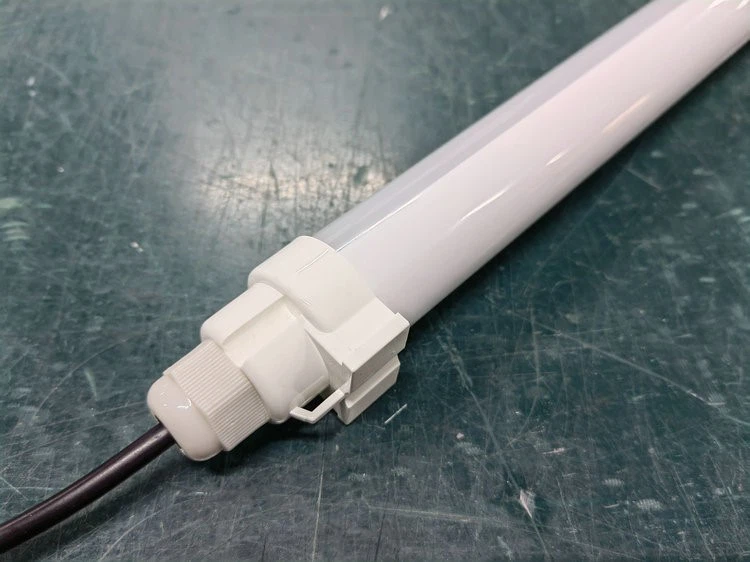
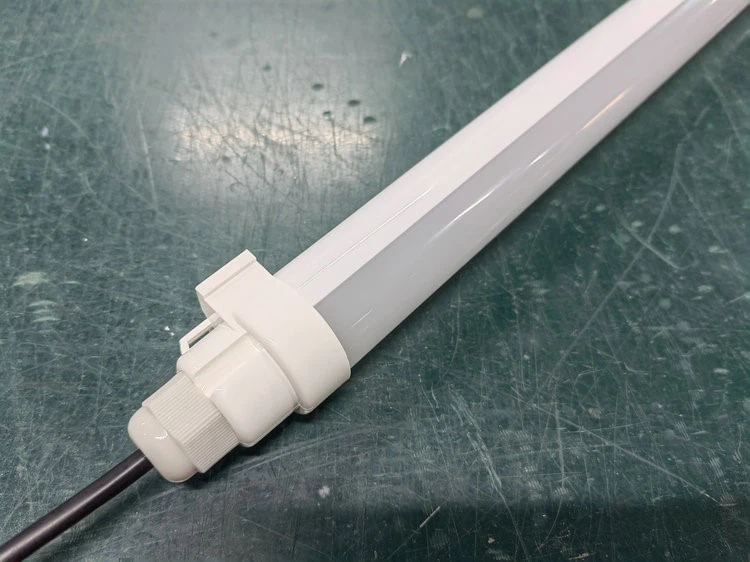
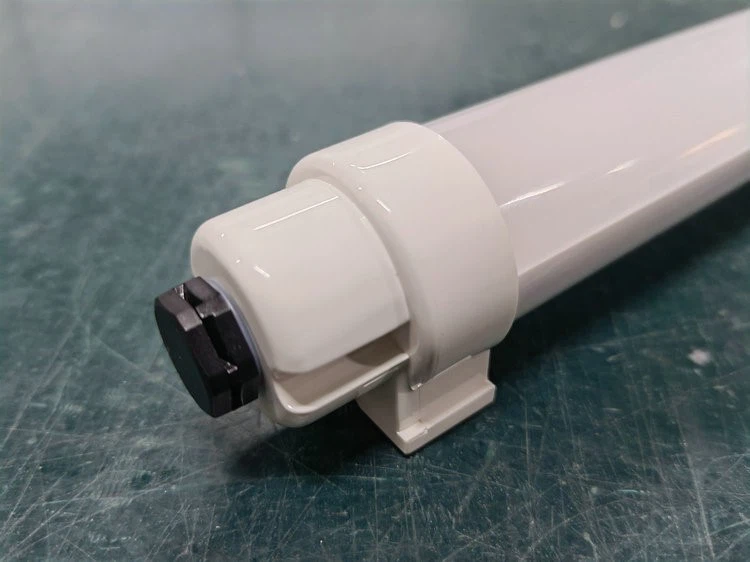
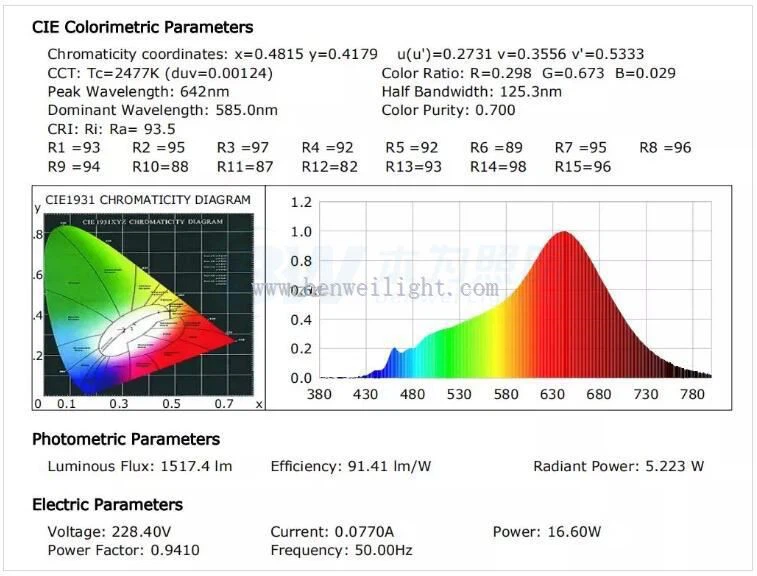
Benwei chicken coop lighting for egg production
|
Power |
Dimension(MM) |
LED Quantity(PCS) |
|
9W |
600*26mm |
Epistar 2835/48PCS |
|
13W |
900*26mm |
Epistar 2835/72PCS |
|
18W |
1200*26mm |
Epistar 2835/96PCS |
|
24W |
1500*26mm |
Epistar 2835/120PCS |
|
36W |
2400*26mm |
Epistar 2835/384PCS |