Lithium-Ion Batteries & Cold Weather

What is the relationship between lithium-ion batteries and cold weather? far more than you may anticipate. Knowing how cold weather affects your battery may help you choose the one that will last the longest, be the most cost-effective, and operate well on a daily basis. Cold weather affects all batteries, not only lithium-ion ones.
How the Cold Affects Your Battery
In comparison to when the temperature is above 32 degrees, a battery's efficiency and useable capacity may both drop by up to 30% when the temperature falls below that threshold. AGM and lead-acid batteries are also affected by cold temperatures, therefore this is not specific to lithium iron phosphate (LiFePO4) batteries. As the weather becomes colder, battery power becomes weaker because chemical processes become more slower as the temperature drops.

Are Lithium Iron Phosphate Batteries Warm Weather-Friendly?
You have to question whether lithium iron phosphate batteries offer any advantage over lead-acid or AGM batteries if all batteries slow down in colder weather. Although lithium-ion batteries are similarly affected by cold weather, they have an advantage over other battery types since they are far better at charging, surviving longer, and producing more power under these circumstances. Low temperature lithium batteries from BENWEI, however, are cold-weather performance batteries that can charge at temperatures as low as -20°C (-4°F). Charging lithium batteries below freezing may be difficult. The system uses patented technology that takes all the energy it needs from the charger alone. Heating and charging are carried out seamlessly throughout.
Lithium-ion batteries have faster charging periods than other types of batteries, which enables them to regain power more quickly. Lithium-ion batteries may charge in as little as 30 minutes to 3 hours, but lead-acid batteries can often take up to 10 hours.
Additionally, lithium-ion batteries retain their charge for extended periods of time, reducing the need for battery replacement and recharging. Compared to the typical lifetime of lead-acid batteries, which is usually 2 to 5 years, a lithium-ion battery may last up to 10 to 20 years. In comparison to lead-acid batteries, a lithium-ion battery may often be used 2 to 5 times longer on a single charge before needing to be recharged.
All batteries have a limit on the number of times they can be charged, but lithium-ion batteries have more cycles available—up to 10 times as many. In contrast to lead-acid batteries, which have an average cycle life of 400 to 1,000, lithium-ion batteries may deliver up to 5,000 charge cycles.
Additionally, lithium-ion batteries need less upkeep. Lithium-ion batteries do not need this greater degree of care, in contrast to lead-acid batteries, which often require cleaning to address rust and grime.
When feasible, remove batteries from the cold and keep them inside to extend their lifespan. All batteries cannot be moved and stored inside owing to their size and weight, but since lithium-ion batteries are lightweight, they may be moved and stored indoors when not in use or simply at the end of the day.
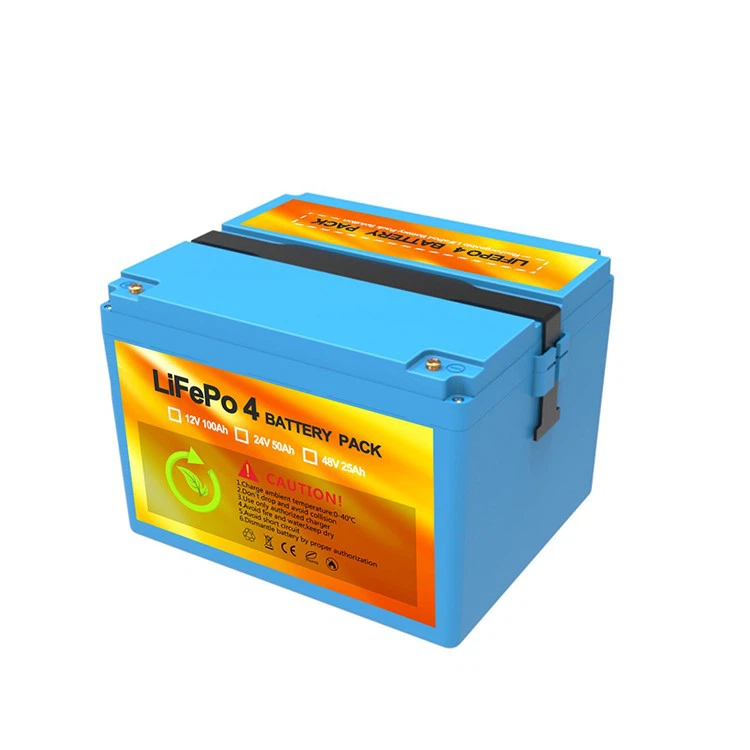
Use of Lithium-ion Batteries in Cold Weather: Dos and Don'ts
You may easily increase the power of your lithium-ion battery by adhering to a few straightforward dos and don'ts:
1. Consistently charge your battery
2. Avoid charging your battery in below-freezing temperatures
3. If at all possible, avoid leaving portable lithium-ion batteries outside in the winter.
4. When storing your battery for an extended length of time during the winter, use extra caution.
5. If at all possible, bring your batteries inside from the cold at night.
5. Some lithium-ion batteries perform better in cold temperatures than others.
There are several varieties of lithium-ion batteries on the market, and not all of them are the same. Because they were created expressly to function well below freezing, certain batteries work better than others in colder weather. Batteries used for colder climates are particularly developed so that they may be securely charged using a conventional charger at temperatures as low as -20°C (-4°F).
Lithium-ion batteries, such as the RB100-LT (Low Temperature) 12V 100Ah, include inherent heating and monitoring systems that enable power to be extracted directly from the battery's charger without the need for additional parts. Lithium-ion batteries from the BENWEI LT Series continue to charge continuously in cold conditions without a drop in current.
Not all batteries have this feature since many batteries suffer irreparable harm if they are charged in below-freezing conditions. On the other hand, BENWEI's battery management system (BMS) allows its cold-weather lithium-ion battery series to be heated before the battery is needed to be charged without the need of specialist heating components.
Are you interested in learning more about the best battery for cold weather use? Uncertain about the best lithium-ion battery for your needs? It might be difficult to choose the best battery for cold weather, but experts with extensive lithium-ion battery knowledge are on hand to guide you through your options while paying attention to your demands. To talk about your possibilities, get in touch with a BENWEI expert at any time.