New product radar sensor LED ceiling lamp usage
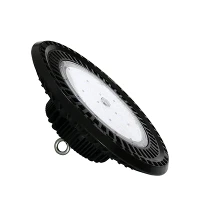
Radar-sensing LED ceiling lamp has a small structure, low power, and obvious energy saving. It is deeply loved by users. Langte launched this product. It is especially suitable for lighting places with small spaces such as corridors, corridors, balconies, toilets, basements and so on. Realize inductive lighting, with a small amount of investment, realize the automatic management of lighting, when there are people, the ceiling lamp will be on, and when there is no one, the lamp will be automatically turned off.
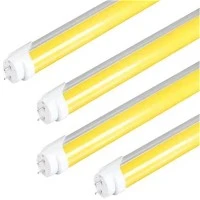
The outer cover of the radar sensor LED ceiling lamp is made of acrylic or PC material, with uniform light color, anti-glare, and high light transmittance. Built-in radar sensor, easy to install, can replace traditional ceiling lights: 8W LED ceiling lights can replace 32W ordinary ceiling lights. Energy saving is more than 4 times. Because it works intermittently, the life of the lamp is greatly extended. The life of LED ceiling lamps is at least more than 30,000 hours to 50,000 hours, which is more than 10 times longer than traditional fluorescent lamps. Radar sensor LED ceiling lamps have the same effect as radar LED tubes: Working status: When there is a moving object, the lamp enters a full-load working state , When the moving object leaves and delays for about 20-30 seconds, the light enters a dimly bright or completely off state, and works in a low-power state when dimmed; the sensing distance is 6-8 meters, and the light can be sensed in 360 degrees. It's just that the area illuminated by the led tube is relatively large. The illuminated area of the ceiling lamp is relatively small. It's just a reasonable choice in actual use. Radar induction LED ceiling lights are installed in different ways: LED radar tubes are hoisted or ceiling mounted, which is more flexible. However, the installation method of the radar ceiling lamp is relatively fixed, and it can only be installed by the ceiling, so please be reminded. Before installation, test the height of the top to the ground. Generally, do not set it high. It should be within the range of the radar sensing. If it is too high, the sensing range will be exceeded, and the radar sensing will be insensitive. If it is too low, it may lead to too sensitive. Therefore, the installation flexibility of the ceiling-mounted radar sensor is lower than that of the radar lamp tube.