Pharmaceutical-Lamps: Shining a Light on Science's Quirky Side
Few breakthroughs in the broad domain of scientific discovery are as fascinating and multi-faceted as pharmaceutical lights. Pharmaceutical lamps are an example of this. These seemingly little pieces of apparatus, which may frequently be discovered at research centres, hospitals, and labs, have a tale to tell that extends well beyond their basic role of producing illumination. These are not only sources of illumination; rather, they are gateways to the peculiar, interesting, and occasionally even outright peculiar aspects of the scientific world.


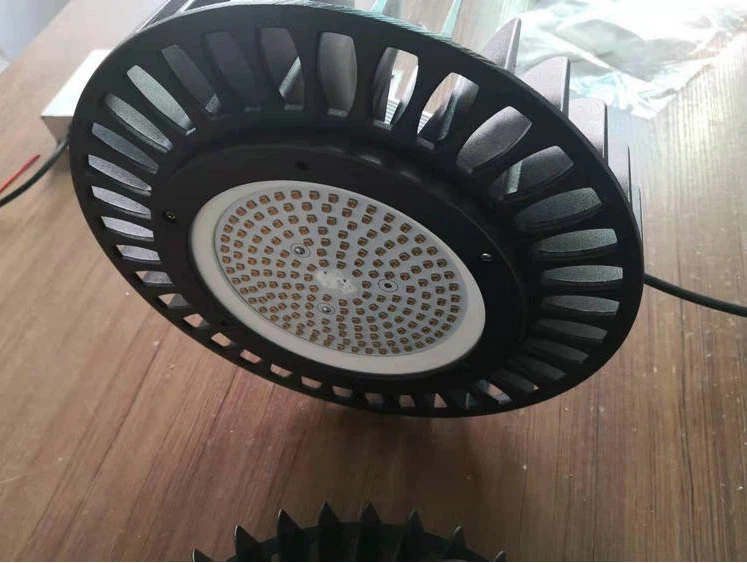
In its most fundamental form, pharmaceutical lights were first developed with the intention of serving practical reasons in the context of the pharmaceutical and medical industries. It was essential for early labs to have precise illumination in order to perform duties such as analysing materials through the use of microscopes, interpreting the results of sensitive chemical processes, and ensuring that measurements were exact. This might result in mistakes in studies, incorrect interpretations of data, and possibly dangerous repercussions in the process of developing medications and medical treatments. Dim or inconsistent illumination could also lead to these problems.
On the other hand, as these lights progressed, they started to take on features that were anything from typical. For example, the design of pharmaceutical lights is one of the more peculiar elements of these lamps. Some of them were created with intricate structures that were almost like works of art. Intricate metalwork, one-of-a-kind forms, and peculiar colour - filtering systems developed into distinguishing characteristics of certain models. Not only were these designs created for aesthetic reasons, but they frequently have scientific justifications behind them. In order to isolate particular wavelengths of light, for instance, coloured filters were utilised in lamps. These wavelengths had the potential to influence the behaviour of particular chemical substances or biological samples. However, when viewed from the outside, these lamps appeared to be more like artefacts from a steampunk fiction than they were like scientific apparatus.
There are also a lot of humorous tales that may be found in the history of medicinal lighting. When the area of pharmaceutical research was still in its infancy, scientists were continuously experimenting with various forms of illumination. This was done in the early days of the discipline. In their hunt for the ideal source of illumination, there were reports of academics reusing commonplace materials and crafting improvised lights in order to achieve their goals. According to one of these accounts, a scientist was able to improve the visibility of his tests by utilising a modified street lamp bulb in his laboratory. He believed that the bright light from the bulb would give adequate illumination. The inventiveness and often unplanned aspect of early scientific investigation was demonstrated by this impromptu solution, which, although perhaps not the most standardised or safe, demonstrated the creative element.
There is still another peculiar aspect of the pharmaceutical industry that arises from the significance that lights play in popular culture and science fiction. Lamps used in the pharmaceutical industry are frequently portrayed in a manner that is excessive and fanciful in films and television series that take place in future laboratories or the lairs of mad scientists. It is possible that they are contributing to intricate, high-tech systems that appear to have a life of their own, or that they are emitting weird lights that pulse. Even though these pictures are not even close to being accurate representations of current laboratory lamps, they have helped to contribute to the mystique and appeal that surrounds these scientific instruments. Pharmaceutical lights have become emblems of the unknown and the cutting edge in the public imagination as a result of their efforts for this purpose.

Over the course of the contemporary period, pharmaceutical lights continue to undergo development, but their peculiar nature remains unchanged. New kinds of lights have come into existence as a result of the development of LED technology. These lamps not only provide illumination that is accurate and effective, but they also have the capability to alter the colours and intensities of the light at the press of a button. Researchers are able to regulate the lighting settings of their complete laboratory environment using a smartphone or a computer thanks to the fact that some of these modern lights are even connected to smart systems. These vital scientific gadgets have a new layer of eccentricity added to them by the combination of high-tech functioning and the flexibility to customise the illumination in odd ways.
In addition to their practical and cultural relevance, pharmaceutical lights also play an important role in bridging the gap between many scientific fields. These lamps are extremely important in supporting research that spans several disciplines, particularly in the areas of biology, chemistry, and physics who are working together. In the field of photobiomodulation, for instance, researchers make use of specialised pharmaceutical lamps in order to examine the ways in which particular wavelengths of light might activate cellular processes. These processes include wound healing and tissue regeneration. There has been a blurring of the borders between traditional pharmacology and the developing field of light-based therapies as a result of this area of study, which has opened up new possibilities for non-invasive medical treatments.
Pharmaceutical lights are also characterised by their function as silent witnesses to scientific advances and disappointments, which is another manifestation of their peculiarities. These lamps have been used to illuminate a vast number of late-night studies in laboratories all around the world. In these experiments, scientists who are on the verge of making a discovery lean over their work as their faces are lit by the radiant light of the lamp. Both the thrill of a successful experiment and the frustration of numerous failures are something that they have experienced. Certain lamps have even been a part of historical moments in the field of science, silently observing as researchers discovered discoveries that would permanently affect the direction of medicine.
In this day and age of digital technology, pharmaceutical lights are once again going through a period of transition. It is possible that future lights may be able to adjust their illumination settings in real time based on the unique requirements of an experiment if artificial intelligence and machine learning are included into their design. Take into consideration a lamp that is capable of analysing the chemical makeup of a sample and automatically adjusting its light spectrum in order to either improve visibility or initiate a certain reaction. In addition to bringing about a change in the way laboratory work is done, the implementation of this sort of intelligent lighting system would also give an additional layer of peculiarity to these already intriguing instruments.
In addition, pharmaceutical lights provide a prism through which we may investigate the connection that exists between culture and scientific inquiry. The more advanced these lights grow and the more capabilities they develop, the more problems arise around accessibility, pricing, and the ethical usage of these lamps. Is it permissible to modify these high-tech bulbs so that they may be utilised in environments with limited resources, or should they only be offered at research institutes that have adequate funding? How can we be certain that the creation of these lights does not result in unforeseen effects, such as an excessive dependence on technology in the conduct of scientific research?
When it comes down to it, pharmaceutical lights are essentially a little version of the scientific endeavour itself. They are a combination of ingenuity, pragmatism, and a healthy dose of the unexpected. They serve as a reminder that even in the most methodical and rigorous pursuit of knowledge, there is always place for creativity, curiosity, and a little bit of weirdness. Pharmaceutical-lamps will continue to shine for as long as there are mysteries to be solved and questions to be answered in the realm of research. They will continue to shine not just as sources of lighting, but also as symbols of the countless possibilities that exist at the junction of light and discovery.
To add insult to injury, pharmaceutical lights have developed into their own independent field of research. The evolution of these lights is now being investigated by historians of science, who are looking at how their design and use reflect changes in scientific technique, technical breakthroughs, and even cultural attitudes towards science. They are finding out the stories of the people who invented the lamps, the competition that existed between the many producers, and the influence that these lights had on the day-to-day work of scientists over the course of history.
In addition, the peculiar nature of pharmaceutical lights extends to the manner in which the scientists who make use of them see or interpret them. A great number of researchers consider these lights to be more than simply instruments; rather, they are companions during the extended periods of investigation. There are some scientists who acquire a personal relationship to their preferred lights, to the point where they believe that a specific light source gives them good luck or helps them concentrate more effectively. In the normally rational realm of scientific study, these superstitions and personal beliefs, despite the fact that they have not been verified by scientific inquiry, provide a human and whimsical touch.
In conclusion, as far as the scientific community is concerned, pharmaceutical lamps are far more than mere sources of light. They are evidence of the inventiveness that may be found in