Plant Leaves with White Spots? How to Identify, Address, and Avoid Each Cause
When you watered your monstera this morning, you saw white powder that wasn't there the day before. Is it going to die? Does the leaf need to be clipped off? What ought to be sprayed?
The majority of growers that encounter this issue attempt haphazard fixes. On mineral deposits, they apply neem oil. They disseminate the spores by using water to wash away powdery mildew. Someone on the internet mentioned "light burn," but the true problem is calcium insufficiency, so they raise their LED lights.
This guide offers a methodical approach to determine the root cause of white spots, use the appropriate treatment in precise ratios, and modify your surroundings to stop recurrence.
1. The Three-Step Triage: How Do Your White Spots Feel, Look, and Behave?
Prior to beginning any treatment, identify the root problem. Fungal illness, insect infestation, nutrient shortage, light burn, and hard water stains are the five factors that cause white patches on leaves. They are separated by three stairs.
1.1 Step 1: Look: Papery, Crusty, Speckled, or Powdery?
Examine the areas in bright light. The cause is indicated by their texture.
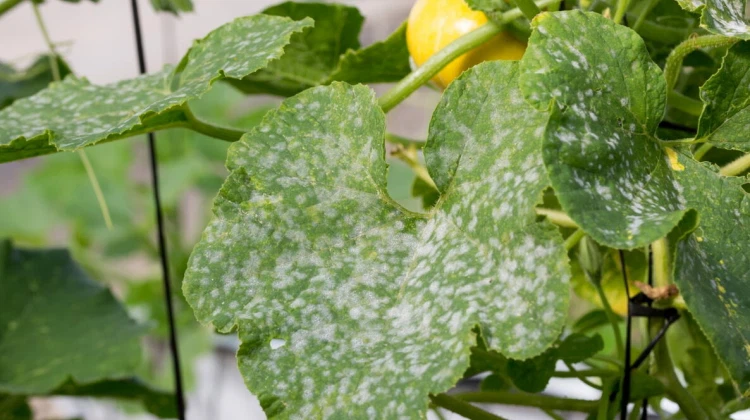
Fungal disease: powdery, similar to flour. Downy mildew and powdery mildew show themselves as white powder on the leaf surface. A little puff would form if you could blow on it.
Pinprick-like specks: damage from insects. Leafhoppers, thrips, and spider mites pierce cells and extract sap, leaving behind small white dots-often hundreds of them.
Crusty or crystalline, frequently found around borders or in between veins: Mineral deposits or a lack of nutrients. Instead of a surface coating, calcium and magnesium problems result in unique patterns.
Bleached, papery patches: Light burn. The tissue becomes dry, thin, and pallid. The spots don't rub off and don't spread like illness.
1.2 Step 2: Touch: Is It Wipeable? Is It Adhesive?
Wipe an afflicted leaf carefully with a moist white tissue.
The material is on the surface and is easily removed, leaving the tissue clean. This suggests hard water residue or powdery mildew.
The fungus or pest has penetrated the leaf tissue if it wipes off but leaves a yellow or green stain on the tissue.
doesn't even wipe off: The leaf has internal damage or dead tissue. This suggests an advanced deficit, sunburn, or LED bleaching.
Tissue picks up a sweet residue and feels sticky: There are insects. Aphids, whiteflies, and mealybugs all emit honeydew, which leaves behind a sticky coating.
1.3 Step 3: Verify Behaviour: Is It Still, Flying, or Webbing?
Insects use movement and trails to show who they are.
Turn the leaf over and use a magnifying glass or a zoomed-in phone camera to look at the underside. Search for:
Spider mites are small specks with fine webbing that move slowly.
Mealybugs are tiny, motionless white puffs that are frequently grouped near stem joints or leaf veins.
Gently shake the plant. Whiteflies are tiny white insects that soar and then descend.
Thrips damage is indicated by silvery patches with stationary black flecks (the insects themselves are difficult to discern).
Insects are the reason for any movement, webbing, or sticky residue. The white material is either a fungus or a mineral if it is entirely static and powdered.
Summary Table: Triage Results
| Appearance | Wipes Off? | Movement/Residue? | Likely Cause |
|---|---|---|---|
| Powdery flour-like | Yes | None | Powdery mildew or downy mildew |
| Tiny speckled dots | No | Webbing or moving dots | Spider mites |
| Cottony white clumps | Partially | Sticky residue; clumps stay still | Mealybugs |
| White flying insects | N/A | Flies when shaken | Whiteflies |
| Hard, crusty, between veins | No | None | Calcium or magnesium deficiency |
| Papery bleached patches | No | None | Sunburn or LED light burn |
| Dusty film | Yes, easily | None | Hard water stains |
2. Specific Treatments and Detailed Causes
Apply the particular treatment after determining the likely reason.
2.1 If It Is Powdery and Wipes Off: Downy and Powdery Mildew
Identification: In warm, dry weather, powdery mildew grows on the upper leaf surfaces. In cool, moist conditions, downy mildew develops on the undersides of leaves with yellow patches on the top.
Baking soda solution as a treatment:
One teaspoon of baking soda
One litre of water
Two millilitres of vegetable oil (which makes the solution cling)
One drop of mild liquid soap (emulsifier)
Mix well. All leaf surfaces should be sprayed until runoff occurs. Apply every three to four days. If leaf damage emerges, stop. Prior to treating the entire plant, always test on a single leaf and wait a full day.
Treatment: Milk Spray
One part milk, with any amount of fat
Nine parts water
Every seven to ten days, spray. Antiseptic chemicals are created when milk proteins react with sunshine.
2.2 If You See Moving Dots, Webbing, or Cottony Patches: Insect Infestations
Identification Table:
| Pest | Appearance | Signs | Primary Treatment |
|---|---|---|---|
| Spider mites | Tiny dots, red or pale | Fine webbing, speckled leaves | Neem oil |
| Mealybugs | White cottony clusters | Sticky honeydew, stationary | Alcohol swab + neem |
| Whiteflies | Tiny white winged insects | Fly when disturbed | Neem oil + yellow traps |
| Thrips | Slender brown/black (hard to see) | Silvery patches, black specks | Neem oil |
Treatment – Neem Oil Solution:
3-5 ml cold-pressed neem oil
1 liter warm water
2-3 drops mild liquid soap (emulsifier)
Shake well. Spray in the evening to prevent leaf burn. Apply every 5-7 days for at least three weeks. For mealybugs, dab visible insects with a cotton swab dipped in rubbing alcohol before spraying.
For severe mite infestations, consider releasing predatory mites (Phytoseiulus persimilis), which feed exclusively on spider mites.
2.3 If the White Spots Are Between Veins, Hard, or Crusty: Deficits in Nutrients
Calcium deficiency: New leaves appear deformed, with speckled patches of white or brown in between veins. The stains are difficult to remove. caused by irregular irrigation or poor calcium supply.
Magnesium deficiency: While veins stay green, older leaves have white to yellow spots between them. The stains spread out over time.
Therapy:
Foliar spray: Combine five grammes of calcium nitrate or magnesium sulphate (also known as Epsom salt) with one litre of water. Until new growth looks normal, spray every seven days.
Root application: Incorporate a calcium-magnesium supplement into your standard fertiliser. Because calcium travels through the plant with water intake, make sure you water it consistently.
2.4 Identifying Sunburn and LED Light Burns if the White Marks Are Papery and Do Not Rub Off:
When a plant is transferred from shade to direct sunshine, it can get sunburnt. Large, asymmetrical patches are located on the side that faces the light source. The tissue becomes papery after turning white and then brown.
LED light burn: Shows up as bleached areas just beneath the light fixture. Unlike sunburn, LED burn can occur gradually and, because it does not resemble ordinary heat damage, is sometimes misdiagnosed as nutritional shortage.
Differentiating elements:
Sunburn occurs rapidly, frequently within hours of a change in exposure.
The top leaves nearest to the light are affected by LED bleaching, which occurs over several days.
Neither illness spreads. Instead, seek for disease or pests if the white areas are spreading to neighbouring plants.
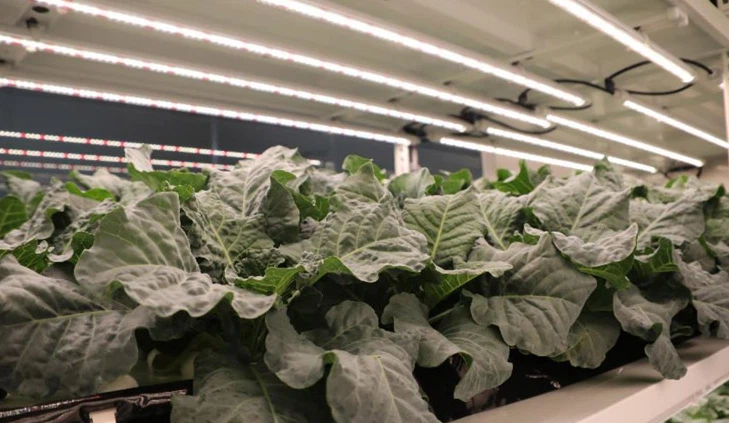
Treatment: The impacted leaves will not heal. If more than half of the leaf is damaged, trim them. Modify the light source. Keep LED fixtures at the recommended hanging height specified by the manufacturer. For vegetative growth, multiple full-spectrum LED grow lights should be placed 30 to 60 cm above the canopy.
The plant may be under stress from the spectrum if white areas persist even after height adjustments. Think about moving to a fixture that has a lower peak intensity of blue light and a wider spectrum.
2.5 Hard Water Stains: If It's Just a Dusty Film That Removes Easily
Identification: The leaf surface is covered in white, chalky deposits. Healthy green tissue remains behind after they are fully removed with a moist cloth. There are no further symptoms displayed by the plant. After spraying or watering with harsh tap water, stains show up.
Treatment: Use a solution of one part white vinegar to ten parts water to wipe the leaves. Afterwards, rinse with fresh water. Prevent by misting and watering with rainwater, distilled water, or filtered water.
3. Severity Triage: When to Treat, When to Prune, When to Discard
Not all infestations can or should be saved. Assess severity before deciding on treatment.
| Severity | Criteria | Action |
|---|---|---|
| Mild | Less than 10% of total leaf area affected. No stem involvement. | Remove affected leaves at the base. Apply the treatment for your diagnosis. |
| Moderate | 10-30% of leaf area affected. Stems clean. | Prune all heavily affected leaves. Apply treatment every 3-4 days for two weeks. Quarantine the plant. |
| Severe | More than 30% of leaf area affected OR main stem/growing tip infected. | For fungal or insect causes, assess whether the plant is rare or expensive. If not, discarding the plant is often more practical than treating it. A heavily infested plant spreads problems to healthy neighbors and requires weeks of intensive care. |
A plant with a healthy root system and clean growing tip can recover from significant leaf loss. A plant with a rotting stem or pest infestation penetrating the main stalk rarely recovers.
4. How to Modify Your Growing Environment to Stop Recurrence
The immediate issue is resolved by treating white patches. Changing the surroundings keeps it from coming back.
4.1 Regular Watering and Airflow
The majority of insect outbreaks and fungal illnesses begin with damp leaves and stagnant air. To gently stir the air around your plants, place a tiny fan there. Instead of above, water at the base. In order to keep leaves dry throughout the day, water them in the morning.
Plants should be spaced apart to prevent leaf contact. Pests can travel across plants because overlapping leaves hold moisture.
4.2 Light Spectrum and Positioning for Plant Health
Growth rate is not the only factor affected by light quality. It affects how plants withstand stress and take up nutrients.
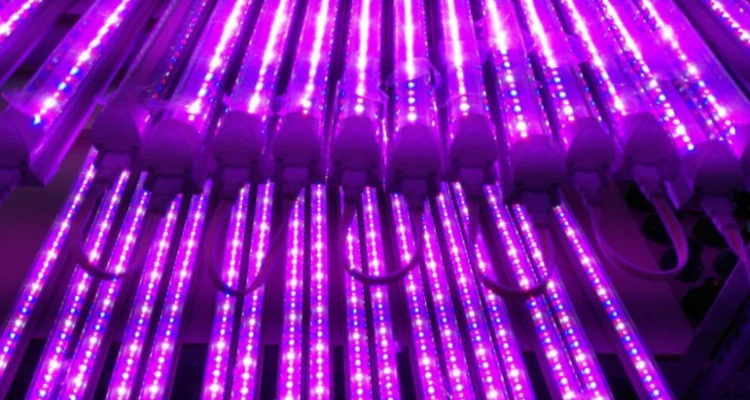
By stimulating transpiration, blue light (400–500 nm) increases calcium absorption. Even when calcium is abundant in the soil, plants that receive insufficient blue light may exhibit symptoms of a calcium deficit.
Photo-oxidative stress is brought on by very strong light, particularly from high-output LEDs positioned too close. Bleaching-white, papery areas that do not go away-is the obvious indication.
Without causing light stress, a balanced complete spectrum with mild blue peaks promotes compact, healthy growth.
In conclusion
Follow these steps in order if you notice white dots on a leaf:
Take note of the texture: is it papery, crusty, speckled, or powdery?
When you touch it with a moist tissue, does it feel sticky, wipe off, or leave a stain?
Examine the underside of the leaf for any movement, such as webbing, flying insects, or stillness.
In less than two minutes, the problem can be found using this three-step procedure. Then, using the precise ratios given, administer the particular treatment for that cause. Determine whether to treat, prune, or toss based on the severity. Lastly, to stop recurrence, modify lighting, watering, and airflow.
When properly diagnosed, the majority of white spot issues can be resolved. It doesn't matter how much you spray; what matters is whether you found the root of the problem before taking action.
Are you still having difficulty with white spots on your plants? Check out our LED grow lights that are optimised for plants and have balanced full spectrum output to promote healthy growth.
FAQ
Q: How can I determine whether white patches are caused by fungus or insects?
A: Apply Section 1's three-step triage method. Insects leave behind cottony clusters, sticky residue, webbing, and movement. Fungal powder wipes off as a dry powder and is static. When a phone camera is zoomed in, moving dots that are imperceptible to the human eye can be seen.
Q: Which natural spray works best for treating white mould on plants?
A: The baking soda solution (1 teaspoon baking soda + 1 litre water + 2 ml oil + 1 drop soap) works well for powdery mildew. Applying milk spray (one part milk to nine parts water) every seven to ten days is also effective. Section 2.1 goes into detail on both.
Q: Can white patches from sunburn heal on plants?
A: Tissue that has been bleached does not heal. If the damage is small (less than 20% of the leaf area), the leaf can continue to function. Any leaves with greater than 50% damage should be pruned. To stop more burning, change the light's distance. If the problem is addressed, healthy new growth will emerge.
Q: Why, even in the absence of pests, does my indoor plant have white patches?
A: Hard water stains from misting with tap water, calcium insufficiency from irregular watering, and LED light burn if the fixture is too close are three typical non-pest causes. Examine Sections 2.3, 2.4, and 2.5.
Q: Can leaves have white spots from LED grow lights?
A: Yes, the top leaves closest to the lamp show bleached, papery spots due to LED light burn. It doesn't spread or rub off. Change to a fixture with a balanced spectrum or change the hanging height. Refer to Section 2.4.
Q: Should I trim off any white-spotted leaves?
A: The degree of severity determines this. If a leaf is from a badly afflicted plant or if more than 50% of its surface is damaged, remove it. Spot therapy without pruning is adequate for mild instances < 10%. Section 3 has the complete severity guide.
How to Choose the Right Grow Light
https://www.benweilight.com/info/how-to-calculate-amps-for-led-grow-lights-cal-103472315.html
Kevin Rao
Email:bwzm12@benweilighting.com
Tel/Whatsapp:+8619972563753
Skype:bwzm32