When birds are under a lot of stress due to bad management, they are more likely to resort to cannibalism. When one bird becomes anxious, it will start picking at the feathers, comb, toes, or vent of another bird to relieve the tension. Once one bird in the flock has the terrible habit of cannibalism, the rest of the flock may quickly follow suit. You can prevent cannibalism from spreading if you catch it early enough. To let the situation spiral out of control, though, might rack up significant expenses. Cannibalism reduces the worth of birds because of the damage done to their flesh, the loss of feathers, and the high mortality rates that often accompany it. When this routine becomes extreme, it's tough to break.
Cannibalism control should be included into your management strategy since there are many potential triggers for outbreaks.
Cannibalism is usually caused by one or more of these conditions
1. Saturation
The keeping of large chicken breeds should be legalized.
A minimum of one-fourth of a square foot each bird for the first two weeks
3/4 square foot per bird for 3-8 weeks
The average bird needs 1.5 square feet of space between the ages of 8 and 16 weeks.
From the age of 16 weeks on, Bantam chickens need just 2 square feet of area per bird.
Multiply those numbers by two when dealing with gamebirds. After 12 weeks of age, pheasants need 25-30 square feet of space per bird, or else pick-prevention measures like plastic peepers or blinders must be used.
Heat stress
Birds may become very cannibalistic when they're overheated. Keep in mind that as the baby chickens grow, the temperature in the brooding area must be changed. Young chickens should be brooded at 95 degrees Fahrenheit for the first week, and then gradually cooled to 70 degrees Fahrenheit or the outside temperature. The temperature should be taken immediately beneath the heat source at the level of the birds' backs. Do not set the brooding room temperature higher than necessary. Cannibalism and other issues might arise when the brooding temperature is not lowered.
An overabundance of illumination
Birds will grow aggressive against one another if exposed to strong light or prolonged durations of light. If you need to brood some chickens, make sure you don't use any white bulbs with a wattage higher than 40. Red or infrared bulbs should be used if bigger bulbs are needed to provide heat. Use bulbs with a wattage of 15 or 25 over the water and food bowls while rearing birds that are 12 weeks old or older. Never keep a chicken in a coop for longer than 16 hours a day. Birds may experience stress due to continuous illumination.
Lack of food and water, or insufficient room in the water and food containers, comes in at number four.
Birds will peck more often if they are always hungry and must compete with other birds for scarce resources. Make sure there is always enough of food and water available for the birds. Each bird's place in the pecking order affects when and what they may consume. A lack of feeder capacity may lead to lower-ranking birds being excluded from the feeding table altogether.
Inadequate or unbalanced diets
The birds' hyperactivity and aggression are a direct result of their high-calorie, low-fiber diet. Feather picking is also an indication that a bird's diet is deficient in protein or other nutrients, especially Methionine. Feed a food that is well-balanced for the age and species of poultry you are raising.
Combining birds of various sizes, shapes, and colors
Pecking is encouraged when chickens of various ages, sizes, or with varied qualities are thrown together, since this upsets the established pecking order. Don't raise chicks of various hens in the same coop. Do not raise feathered-legged, crested, or bearded chickens alongside regular chickens. The pecking of curiosity might also begin. During the first few weeks, a curious pet may start nibbling at its owner's toes because of the variety of colors and patterns they've never seen before.
Sudden shifts in the surrounding environment or in administrative policies
Bringing some of the birds' food and water sources with you when you relocate them may ease the transition for the young birds. The smaller equipment may be left in the enclosure for a few days while bigger feeds and waterers are being brought in.
Nests with too much light or too enough nesting boxes
You shouldn't have any bright lights shining on the nests. There should also be one nest for every five chickens. Similarly prevalent is the issue of layer-based vent pecking.
The practice of keeping sick, damaged, or deceased birds in a flock
Due to their sense of social hierarchy and natural curiosity, chickens often pick on injured or deceased birds in their confinement. Pecking may become an aggressive behavior very fast.
Cannibalism seems to occur more often in birds with slow metabolisms and feathers.
When dealing with feathered birds that move slowly, use care. Most cannibalism in young chickens happens while they are still in the father development stage. Since immature, vulnerable feathers remain exposed for longer in birds that feather at a slower rate, these birds are more likely to be pecked. Do not breed fast-growing poultry with slow-growing feathered birds.
Adding to the herd by adopting a few strays
A flock's pecking order is upset whenever birds are added or removed. If you're introducing new birds to your enclosure, it's preferable to separate the birds from each other for at least a week behind a wire wall. Having the birds around at night may also be a big assistance. Keep an eye on the birds at all times, and if the pecking becomes too rough, step in to prevent any injuries. The flock may need a week or more to adapt to the new hierarchy.
The Pecking of a Prolapse
In particularly young or overweight laying flocks, prolapse may develop. When the uterus expands and rips, causing it to prolapse, the uterus does not quickly retract into the body once the egg is deposited. Usually, this happens with overweight layers or immature flocks that begin laying before they are 20 weeks old. When the uterus is exposed, other birds may get curious and try to eat it. When the uterus is picked at, blood spurts forth, and the picking quickly escalates to cannibalism. There may be a prolapse risk in your flock if you see blood streaks on the shell surface. This issue may be avoided with well-managed methods of bringing birds into production and with well-balanced diets. Owing to their heft, birds will need to go on a low-calorie diet.
Some further precautions include
Give the birds some outside exercise in a safe, secure run. This will prevent them from bothering each other and will encourage them to eat more greens, ground, and insects.
Daily, provide the birds with a huge handful of fresh greens, such as clover grass or weeds. This improves the dietary fiber content for the birds. The gizzard will stay full and the birds will be happier on a high-fiber diet. They'll also like the smaller pieces of baled green leafy hay.
The use of mechanical aids, such as plastic peepers or blinders, is recommended for species that are known to be hostile, such as gamebirds.
Putting out brightly colored or flashy objects for the birds to pick at and distract them from nearby predators may help. Shine cans hung just above eye level can be used as a plaything.
Last but not least, beak cutting is done on problematic flocks. Reduce the pointy end of the beak by a third to get a squared off point. Because of this, fighting among the birds is reduced to a minimum. However, only a professional trimmer should cut a bird's beak.
Cannibal outbreak treatment
As there are a number of factors that might lead to cannibalism, it may be difficult to pinpoint the root of the issue. However, stress, even mild stress, is often the primary culprit.
Make an effort to fix any problems that might have contributed to cannibalism.
Using red lights to create a more foreboding atmosphere in the building.
Take away any birds that are really hurt.
The pecking of injured birds may often be stopped by using a "anti-peck" ointment.
It would be ideal if the pen temperature could be lowered somewhat.
Don't take any risks! You may save a lot of time and money if you include cannibalism control into your management strategy.
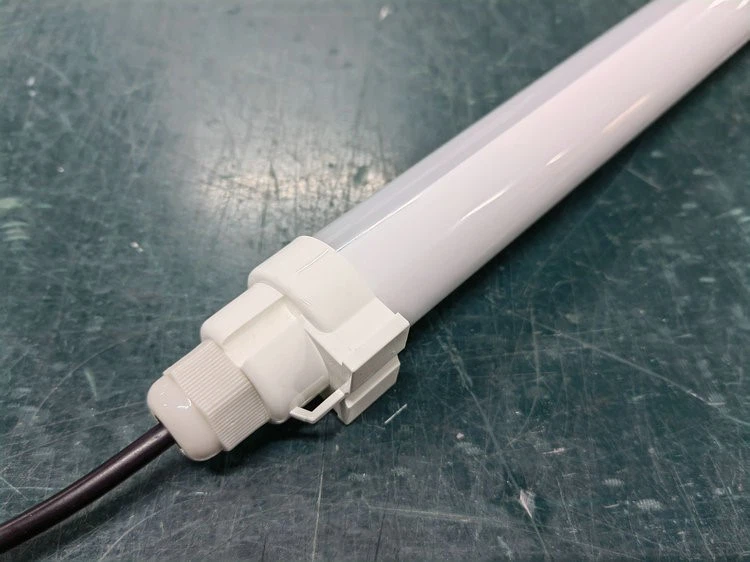
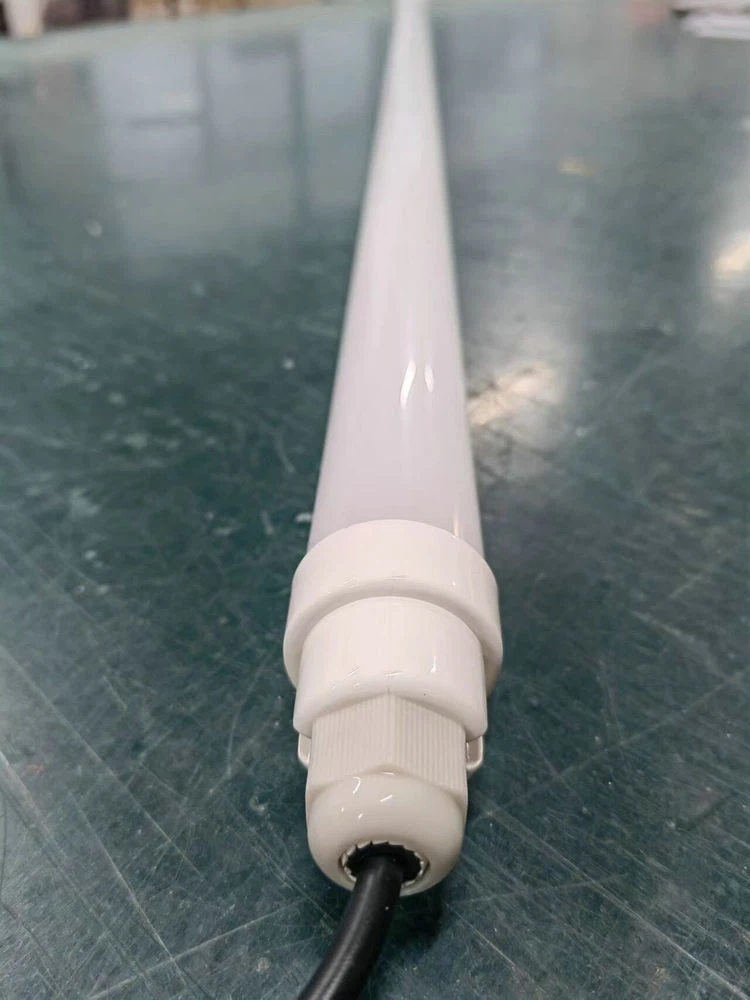
Benwei chicken coop led light tube:
|
Product name |
LED Tube Light led for chicken coop |
|
Rated voltage |
AC85-265V |
|
Power |
9W/13W/18W/24W/36W |
|
LED Type |
SMD2835 |
|
Color ratio |
3000K -5000K , Full specturm or customized spectrum |
|
Tube Type |
T5/T8/T10/T12 |
|
Material |
Aluminium profile+clear pc cover |
|
Length |
0.6m/0.9m/1.2m/1.5m/2.4mor customized length |
|
Guarantee |
3 -5 Years |