Poultry Light Control of the Layer Chicken House

In addition to promoting healthy growth and lowering morbidity and mortality in laying hens, scientifically sound supplemental lighting may also lengthen the laying period and boost egg production, which helps to raise the breeding effectiveness of laying hens. On the other hand, insufficient lighting will cause laying hens to hypogenize, which results in an early or late start to laying. This will not only affect the laying rate and egg production throughout the entire laying period, but will also increase the morbidity and mortality of laying hens, which will result in significant financial losses for breeders. The following is an introduction to the closed laying hens' lighting control technology.
1. The timer for the lighting
1.1 The moping stage (0-6 weeks old)
Poultry lighting systems are crucial for a chick's nutrition, hydration, exercise, and health. However, if the light period is too long, sexual precocity will result in the chicks, which will negatively impact future laying performance. If the illumination period is too short, the chicks' activity and feed intake will be affected, which will slow down their growth. In general, during the first three days after hatching, chicks are exposed to light for 23 hours and darkness for 1 hour to help them adjust to the dark surroundings and prevent anxiety in the event of a power outage; The illumination time begins to decrease from the age of 4 days, decreasing daily by 30 minutes until it reaches 18 hours at the age of 14 days; Beginning on the fifteenth day of life, 2 hours of illumination should be cut every week, and at the conclusion of the first six weeks of life, 10 hours should be cut.
1.2 The growth phase (7-20 weeks old)
Short lighting periods may result in delayed maturation, obesity, large eggs at first of laying, high rates of dystocia and mortality, and reduced overall egg production. Too much illumination time during this stage will encourage the laying hens' early sexual development. Therefore, from seven to seventeen weeks of age, light should be provided for ten hours, and beginning at eighteen weeks, one hour of light should be added each week until it reaches twelve hours at twenty weeks.
1.3 The waiting time (21 weeks old- eliminated)
Increased illumination time during the egg-laying period can stimulate the release of sex hormones and encourage egg production, but an excessive increase will increase the rate at which eggs break. On the other hand, decreased illumination time will inhibit the release of sex hormones and decrease egg production. As a result, the illumination time during the laying period should be increased gradually. Starting at the age of 21 weeks, the illumination time should be increased by 30 minutes each week until it reaches 16 hours during the peak period of laying. Thereafter, the illumination should be maintained for 16 hours, and when it is almost time for the elimination period (roughly 59 weeks), the illumination time should be increased once more by 30 minutes each week until it reaches 17 hours.
2. the control for light intensity
2.1 The moping stage (0-6 weeks old).
During this time, excessive light may harm chicks' neurological systems and lead to undesirable behaviors like picking at their anuses and feathers, while inadequate light makes it challenging for the chicks to feed and drink. The light intensity typically reaches a peak of 20 to 25 lux during the first three days or the previous week (a 0.16 watt electric incandescent lamp emits 1 lux of light); after that, as people get older, the light intensity gradually declines until it reaches a minimum of 5 to 10 lux after six weeks.
2.2 The growing season (7-20 weeks old).
Overexposure to light at this time can affect the hens' development negatively and cause prolapse, anxiety, etc.; The developing chickens' ability to consume food and drink will diminish if the light is too weak, which will result in poor development and a longer period for production. During the growth season, 5 to 10 lux is the ideal light intensity.
2.3 The waiting time (21 weeks old- eliminated).
If the light intensity is too low to motivate the laying hens, this will impair egg production. If the light intensity is too high, this will not only waste electricity but will also irritate the laying hens, making them anxious and prone to fighting, pecking, and prolapse. The ideal light intensity for laying is typically 10-20 lux.
3. deciding on the color of the lighting
The chicken hypothalamus has extraretinal photoreceptors, each of which reacts differently to activation from various light wavelengths. Red light is bad for the growth and development of chicks and raised chickens since it delays the time when they reach sexual maturity, but it's good for laying hens because it tends to keep them calm, boosts their egg production, and lessens pecking addiction; Green light may hasten a chick's weight increase and help breeding chickens with delayed growth and development reach sexual maturity, but it can also prevent laying hens from producing as many eggs; Although yellow light may make laying hens produce heavier eggs, it can put off breeding hens' sexual maturation and raise the likelihood that laying chickens will develop a pecking addiction; Blue light is an easy way to develop pecking addiction in laying hens, and it also lowers their laying rate and disease resistance. As a result, manufacturing should only utilize incandescent bulbs or high-efficiency energy-saving lamps. This light source's wavelength ranges from 500 to 625 microns and encompasses a variety of wavelengths of light, including red, orange, yellow, and green. It is safe and able to satisfy the illumination requirements of laying hens at various stages.
4. Lighting system design and layout
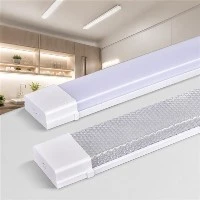
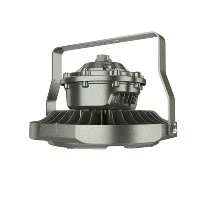
Light influences the temperature of the indoor environment as well as the hens' feed intake, sexual development, ovulation, and egg production. The secret to ensuring regular laying, prompt molting, and maximizing the productivity of laying hens is reasonable lighting. To address the demands of hens in enclosed chicken coops, artificial lighting equipment like incandescent lamps or high-efficiency energy-saving lights is often employed. Due to their long lifespan, low energy consumption, high luminous efficiency, light that is adequate for human eyesight, high adjustment frequency, and improved ability to satisfy hens' physiological demands, high-efficiency energy-saving lights are really the best lighting equipment for chicken coops.
The direct assurance of appropriate illumination for laying hens is made possible by a reasonable lighting system configuration in the chicken house, which is crucial. Because battery layer cages and stacked cages are frequently used in the intensive production of laying hens, especially because the upper and lower layers of laminated cages are all overlapped and because the adult chicken's cage frame is nearly 4 meters tall, it is inevitable that placing lamps on the same plane as conventional cage chicken houses will have an impact on the lighting of the lower layer cages. As a result, the laminated cage chicken house's lighting system uses a two-layer configuration of high and low bulbs. The higher light is typically 0.2–0.4m above the roof of the chicken coop and the lower lamp is typically 1.8–2m above the ground. The lighting conditions for hens in all layers can only be consistent in this manner.
5. Several lighting management issues that need specific consideration
5.1 The best way to control lighting is to start with chicks, who should be managed until the end of the breeding season at the latest.
5.2 The sexual maturity of chickens affects how quickly illumination time increases. In the event that hens reach sexual maturity earlier than anticipated, the rate at which illumination time is growing will slow down. To accomplish the goal of visibly raising the laying rate, the rise in illumination time may be expedited if it is late. It should be linked with providing full feed.
5.3 It is best to gradually increase illumination time from short to long, preferably in the morning and evening, in order to increase the amount of food that chickens consume. The initial increase in illumination time per week shouldn't be more than one hour in order to prevent proctoptosis, especially for laying hens.
The transition from the lighting scheme used during the growth stage to the illumination scheme used during the laying period should also be carried out gradually. The light intensity should progressively become brighter or dimmer. The abrupt turning off of the lights or the reduction in illumination duration may result in fear, molting, aberrant egg production, a delay in the laying of eggs, etc.
5.4 The illumination duration must not be decreased after egg production has begun, and it may be suitably extended for an hour in the last two to three weeks of the laying period to encourage hens to lay more eggs.
5.5 Lighting fixtures should be placed sensibly, uniformly, and without any dark spots.
The spacing between bulbs and the horizontal plane of the hens should be 1.5 times the bulb spacing.
If the chicken house has more than one row of bulbs, each row should be spaced apart; the distance between a bulb and the chicken house wall should be just half of that between the bulbs. The bottom chickens in multi-layer cage chicken homes must get the required illumination intensity; Additional lighting needs a dependable power source, consistent voltage, no abrupt changes in brightness, and a timer. To regulate the timing of each day's light switch, large chicken houses may be fitted with lighting timers or automated light controllers; The light bulbs used have open or umbrella-shaped lampshades and range in power from 40 to 60 watts for white fluorescent lights. The bulbs should be routinely cleaned and changed as needed.
5.6 Appropriate illumination may considerably increase the production performance of laying hens, but it must be coordinated with an ideal feeding management system (including a suitable interior environment and thorough disease prevention and control methods).
6. Conclusion
6.1. The conventional feeding management system should be synchronized with the light control.
To accomplish the intended result, for instance, we need give full feed, enough clean drinking water that can be coordinated with feed, a proper interior atmosphere, and extensive epidemic prevention measures.
6.2. Light control should be integrated with real production and correctly regulated in accordance with the seasonal environment, the breeds of laying hens, the circumstances of the feeding and management systems, etc. The light period should be suitably advanced for laying hens whose average weight is lower or greater than the usual weight.
6.3 If the circumstances allow, chicken farms (households) may use the poultry house lighting controller to automatically switch on and off the lights. This encourages steady illumination intensity as well as a gentle transition between light and shade.