You have a lot of options when it comes to raising a flock of backyard chickens. What sort of coop are you looking for? Which kind of chickens will you be raising? How do you protect yourself from dangers like infections and predators? Each individual chicken keeper has a unique method for taking care of their chickens and getting the most out of their flocks. As a consequence, there are many different viewpoints in the realm of backyard chicken raising. You're guaranteed to get a variety of responses when you ask whether or not you should give your hens artificial illumination throughout the winter. There are several reasons both in favor of and against adding more lighting to your coop. As usual, carefully weigh all the options to choose what would work best for you, your coop, and your flock. Read this summary to learn the advantages and disadvantages of lighting your chicken coop throughout the winter.
PRO: KEEP HENS LAYING
To maintain a high level of egg production over the winter, some chicken keepers add extra illumination to their coops. Hens typically need 14 to 16 hours of direct sunshine each day to produce fruitful egg production. This indicates that egg production stops during the shorter days and longer nights of winter. When they get no compensation, many chicken keepers are hesitant to invest the time and money necessary to maintain their flock. Artificial light, which serves the same function as sunshine, is the answer. The pituitary glands of the chickens are stimulated, which affects the reproductive process. Artificial lighting may compensate for the loss of natural light when used properly and effectively, keeping your hens on a regular laying schedule all year long.
PRO:ADDED WARMTH IN COLD CLIMATES
Chickens are resilient, feathered animals that thrive in chilly climates. However, colder environments or even simply an unusually harsh winter might make your flock uncomfortable or result in frostbite and other harmful problems. You may use chicken heaters to keep the coop warm during blustery winds and chilly nights, just like you would in a brooder. Your hens will feel most at ease in a coop with an average temperature of roughly 40 degrees Fahrenheit when winter arrives. If bedding and insulation are insufficient to sustain this, you may add light to the area to keep it warm enough.
PRO: SIMPLIFY COOP CHORES
Not only hens need light to function well. You could also benefit from adding artificial light in your coop if your coop duties often need to be done late at night or in the early morning. When you go to gather eggs, feed your chickens, or clean up bedding, the light will make it simpler for you to see. Additionally, additional illumination might assist you in keeping an eye out for leaks or other damage that could endanger your flock throughout the winter. A dark coop makes it much easier for raccoons, rats, and other night predators to get in, thus artificial light also deters them.
PRO: RED LIGHT CALMING
Red lights are often installed in chicken coops in place of conventional artificial lighting by poultry caretakers. Red lights may help keep your birds quiet throughout the winter months, but they don't replace sunshine and don't assist your chickens continue to lay eggs. Red lights in the coops have been found by some chicken caretakers to reduce quarreling and pecking among the flock. This could be the case because the red light makes it difficult for hens to differentiate one another sufficiently to follow a pecking order by their combs and wattles. Even if this is only a hypothesis, red light may keep your birds quiet and secure within the coop by preventing fighting in the winter.
CON:HIGHER PRODUCTION COSTS
Although using artificial lighting in your chicken coop has many advantages, it also has drawbacks. This list's first drawback is that using artificial illumination raises manufacturing expenses. The extra power used to keep a light on in your coop all winter long will be your responsibility to pay for. If you don't utilize a timer to restrict the quantity of light you consume, these costs rise even more. Additionally, the procedure gets much more difficult if your coop is located in a rural area or if you don't have simple access to power.
CON: INCREASED RISK TO YOUR COOP
Additionally increasing the danger risks in your coop are artificial lighting and heaters. Fire is the main worry. Even when using artificial illumination, many chicken keepers avoid heat lamps since they often result in coop fires. The possibility of bad wiring or other mishaps persists even with standard lights. Additionally, bear in mind that your hens are inquisitive animals. They could accidently damage themselves or the rest of the flock if they can get to the wires or light bulb by pecking at them.
CON: EXCESSIVE STRESS AND STRESS
One of the main justifications against adding more lighting to your coop is that it can cause your chickens undue stress. Your chickens may relax and recover naturally over the winter without the continual stress of having to produce eggs. An anxious flock is more prone to quarrel and fight, which might hurt your hens. Additionally, some chicken owners think that pressuring their chickens to continue producing eggs might seriously harm their health. The additional eggs they get throughout the winter for many flock owners aren't worth the physical and emotional strain of supplementary illumination.
IF YOU DECIDE TO ADD ADDITIONAL LIGHTING
You may choose for your flock now that you are aware of the benefits and drawbacks of lighting your chicken coop throughout the winter. Make careful to install additional lights securely if you desire to. Introduce artificial illumination once your chickens have been in the coop for at least 20 weeks. Younger chickens exposed to artificial light may begin to produce eggs before their bodies are ready to sustain good egg production. A timer should also be used to maintain consistency in your lighting. You should program your lights to come on in the mornings so that they seem as natural as possible. This will enable the artificial light to gradually give way to natural light, allowing your flock a smoother transition into the day than if the light suddenly went out.
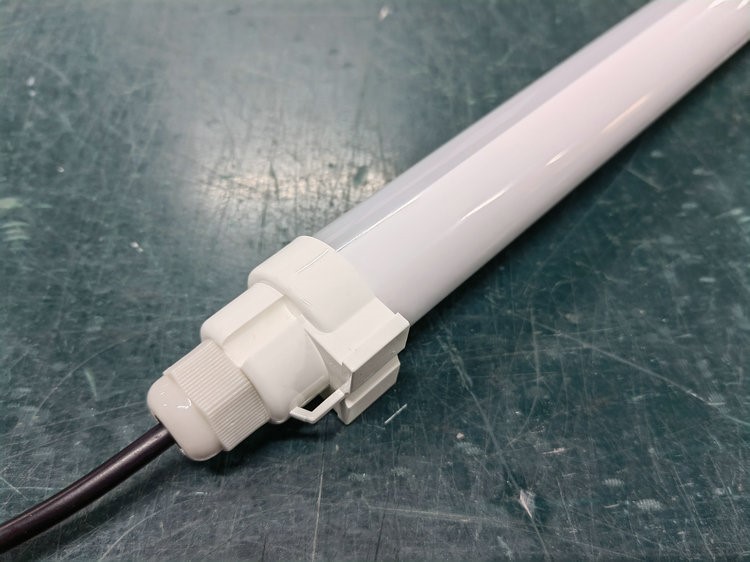

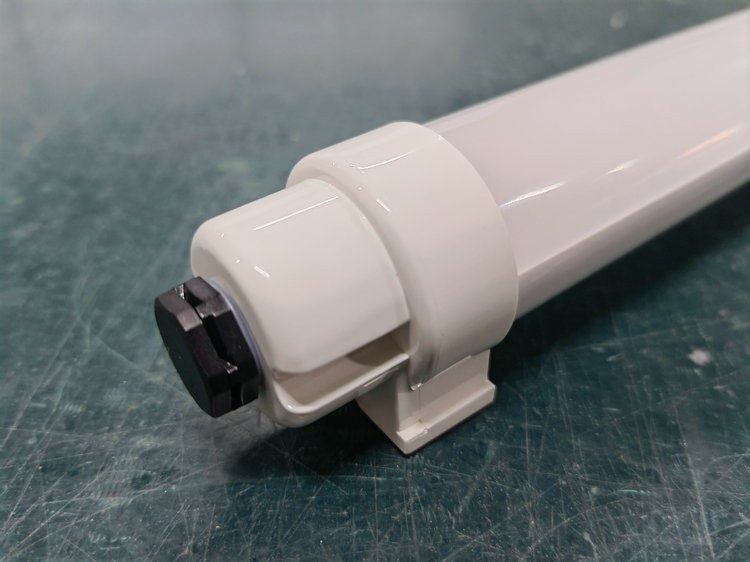
Benwei chicken coop lighting for egg production
|
Power |
Dimension(MM) |
LED Quantity(PCS) |
|
9W |
600*26mm |
Epistar 2835/48PCS |
|
13W |
900*26mm |
Epistar 2835/72PCS |
|
18W |
1200*26mm |
Epistar 2835/96PCS |
|
24W |
1500*26mm |
Epistar 2835/120PCS |
|
36W |
2400*26mm |
Epistar 2835/384PCS |