Recessed Downlights: Elevating Indoor Lighting with Sleek Design and Functional Versatility
In modern interior design, lighting is no longer just a utility-it is a key element that shapes the mood, functionality, and aesthetic of a space. Among the diverse lighting solutions available, recessed downlights stand out for their unique ability to combine minimalism with high performance. Also known as "can lights" or "recessed ceiling lights," these fixtures are installed directly into ceiling cavities, leaving only a subtle trim visible-creating a clean, uncluttered look that complements everything from minimalist apartments to luxury commercial spaces. Unlike pendant lights or chandeliers that demand attention, recessed downlights work quietly in the background, delivering targeted illumination while enhancing the overall design of a room. This article delves into the technical nuances of recessed downlights, their design variations, advantages over traditional lighting, practical applications in residential and commercial settings, installation considerations, and the latest innovations-explaining why they have become an indispensable tool for designers and homeowners worldwide.
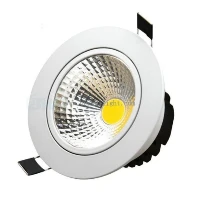
To fully appreciate recessed downlights, it is essential to understand their core components and how they work together to deliver efficient, reliable lighting. A standard recessed downlight consists of three main parts: the housing, the light engine, and the trim. The housing-often made of galvanized steel or aluminum-is the hidden backbone of the fixture, installed inside the ceiling cavity. It houses the electrical connections, heat sink, and light source, and its design determines critical factors like insulation compatibility and heat management. Housings are categorized into two key types: IC (Insulated Ceiling) rated and non-IC rated. IC-rated housings are engineered to be in direct contact with ceiling insulation without overheating, making them safe for use in attics or rooms with insulated ceilings. Non-IC rated housings, by contrast, require a 3-inch clearance from insulation to prevent fire risks, limiting their use to uninsulated spaces.
The light engine is the heart of the recessed downlight, responsible for producing light. While older models relied on incandescent or halogen bulbs, today's recessed downlights are almost exclusively LED-powered-a shift driven by LED's superior energy efficiency, long lifespan, and low heat output. LED light engines come in various wattages (5W to 25W) and lumen outputs (400 to 2,500 lumens), allowing customization for different lighting needs: a 5W, 400-lumen model works well for accent lighting, while a 20W, 2,000-lumen fixture can serve as primary ambient lighting in a large room. Many LED recessed downlights also offer tunable color temperature-ranging from warm white (2700K, ideal for bedrooms) to cool white (6500K, perfect for offices)-and high Color Rendering Index (CRI) ratings (80+ for most models, 90+ for premium options), ensuring colors appear vibrant and true-to-life.
The trim is the only visible part of the recessed downlight, and it plays both aesthetic and functional roles. Trims come in a wide range of styles, finishes, and designs to match any interior: slim, flush-mount trims with matte black or white finishes blend seamlessly into modern ceilings; beveled or stepped trims add subtle depth to traditional spaces; and decorative trims with metallic finishes (brushed nickel, brass, or copper) serve as small design accents. Functionally, trims can also control light distribution: some feature frosted glass to soften light and reduce glare, while others have directional baffles or reflectors to focus light downward-critical for task lighting in kitchens or home offices.
One of the most compelling advantages of recessed downlights is their space-enhancing design. By recessing into the ceiling, they eliminate the visual bulk of hanging fixtures, making rooms feel taller, more open, and less cluttered. This is particularly valuable in small spaces, such as studio apartments or narrow hallways, where even a single pendant light can make the area feel cramped. In rooms with low ceilings (8 feet or less), recessed downlights are often the only viable overhead lighting option, as chandeliers or ceiling fans would hang too low and pose a risk of collision. Additionally, their unobtrusive design allows other elements-like artwork, architectural details, or furniture-to take center stage, rather than competing with the lighting. For example, in a living room with a statement fireplace or a gallery wall, recessed downlights can highlight these features without drawing attention away from them.
Another key benefit is their versatility in creating layered lighting. Interior designers often emphasize the importance of layered lighting-combining ambient, task, and accent lighting-to make a space both functional and inviting, and recessed downlights excel at all three. For ambient lighting (general, even illumination), downlights are spaced evenly across the ceiling in a grid pattern. A common guideline is to install one downlight for every 4–6 square feet of ceiling space; for a 15x15-foot dining room, this would mean 6–8 fixtures. For task lighting (focused light for specific activities), downlights are placed directly above work areas: above kitchen countertops to illuminate food preparation, above home office desks to reduce eye strain, or above bathroom vanities to ensure even lighting for grooming. For accent lighting, narrow-beam downlights (15–25 degrees) are used to highlight focal points-like a piece of artwork, a built-in bookshelf, or a decorative backsplash-adding depth and visual interest to the room. This flexibility allows homeowners to tailor the lighting to their daily needs, whether they're hosting a dinner party (ambient + accent lighting) or working from home (task lighting).
Energy efficiency is a major selling point for LED recessed downlights, especially in an era where sustainability and cost savings are top priorities. Compared to traditional incandescent recessed lights, which use 60W–100W bulbs, LED models use just 5W–25W while producing the same or higher lumen output. For instance, a 12W LED downlight emits approximately 1,000 lumens-equivalent to a 75W incandescent bulb-but uses 84% less energy. Over time, these savings add up significantly: if a home has 15 recessed downlights used for 5 hours per day, switching from incandescent to LED could save over \(180 per year (based on an average electricity rate of \)0.15/kWh). LED downlights also have an impressively long lifespan-25,000–50,000 hours, compared to just 1,000–2,000 hours for incandescent bulbs. This means a high-quality LED downlight installed today may not need replacement for 15–20 years, eliminating the hassle and cost of frequent bulb changes.
Durability and safety are additional advantages of modern recessed downlights. LED technology generates far less heat than incandescent or halogen bulbs, reducing the risk of fire and making the fixtures safer to touch. IC-rated housings, in particular, are designed to contain heat, making them safe for use in insulated ceilings-a critical feature for homes in cold climates where attic insulation is essential. LED downlights also have no fragile filaments or glass bulbs, making them resistant to breakage from vibration (e.g., from a passing truck or a child running upstairs) or accidental impact. Reputable manufacturers also ensure their fixtures meet strict safety standards, with certifications from organizations like Underwriters Laboratories (UL) or the European Union's CE marking, giving homeowners peace of mind.
Recessed downlights are versatile enough to be used in nearly every indoor space, from residential homes to commercial buildings. In residential settings, their most common uses include:
Kitchens: Installed in a grid over the main floor for ambient lighting, and in rows above countertops and islands for task lighting. The under-cabinet lighting is often paired with downlights to eliminate shadows on the countertop.
Bedrooms: Used for ambient lighting, with dimmable warm white (2700K–3000K) fixtures to create a calming atmosphere. Some homeowners also install downlights above nightstands to replace bulky table lamps, freeing up space for books or decor.
Bathrooms: Installed in the ceiling (at least 3 feet away from showers or tubs, per electrical codes) for ambient lighting, with waterproof or water-resistant models (IP44 or higher rating) safe for use in shower enclosures.
Hallways & Stairwells: Spaced evenly to ensure consistent lighting, reducing the risk of trips and falls. Motion-sensor compatible downlights are a popular choice here, as they turn on automatically when someone enters the space.
In commercial settings, recessed downlights are equally valuable:
Retail Stores: Narrow-beam downlights are used to highlight merchandise, with high CRI (90+) models ensuring clothes, electronics, or furniture appear in their true colors-helping to attract customers and boost sales.
Offices: Evenly spaced neutral white (3500K–4000K) downlights provide ambient lighting in open workspaces, while task-focused downlights above individual desks reduce eye strain and improve productivity.
Restaurants & Cafés: Dimmable warm white downlights create a cozy, intimate atmosphere, with fixtures directed at dining tables to highlight food while keeping the rest of the space softly lit.
Hospitals & Clinics: Cool white (5000K–6500K) downlights with high CRI are used in exam rooms and corridors, where bright, accurate lighting is essential for medical professionals to diagnose and treat patients.
Installing recessed downlights requires careful planning and, in most cases, professional installation-especially for retrofits in existing homes. The first step is to assess the ceiling structure: drywall ceilings are the easiest to work with, while plaster or concrete ceilings may require specialized tools (like a hammer drill) to cut holes. It is also crucial to check the ceiling cavity depth: most standard housings need 4–6 inches of space between the ceiling and the attic or floor above. For homes with shallow cavities (3 inches or less), ultra-thin recessed downlights are available, as they are designed to fit in tight spaces.
Before installation, the power to the area must be turned off, and a stud finder should be used to locate ceiling joists, electrical wires, or pipes-avoiding these obstacles is critical for safety. The number of downlights needed is determined by the room size and desired brightness; many lighting retailers offer online calculators to simplify this process. Once the locations are marked, a hole saw (matching the size of the housing) is used to cut holes in the ceiling. The housing is then inserted into the cavity, secured to the ceiling joists or a mounting bracket, and wired to the electrical system. Finally, the light engine is attached to the housing, and the trim is snapped into place. For new construction, recessed downlights are often installed during the framing stage, which is more efficient than retrofitting, as the ceiling cavity is easily accessible.
When selecting recessed downlights, there are several key factors to consider to ensure the fixture meets your needs:
IC Rating: Always choose IC-rated housings if the ceiling has insulation; non-IC rated housings are only suitable for uninsulated spaces.
Beam Angle: Select wide angles (60–90 degrees) for ambient lighting, medium angles (30–45 degrees) for task lighting, and narrow angles (15–25 degrees) for accent lighting.
Color Temperature & CRI: Opt for warm white (2700K–3000K) for bedrooms and living rooms, neutral white (3500K–4000K) for kitchens and offices, and cool white (5000K–6500K) for commercial spaces. A CRI of 80+ is sufficient for most areas, but 90+ is recommended for spaces where color accuracy matters (e.g., art studios, retail stores).
Dimmability: Many LED downlights are dimmable, but it is important to confirm compatibility with your dimmer switch-LED-specific dimmers are often required to prevent flickering or damage to the fixture.
Trim Style: Choose a trim that complements your decor-slim, flush trims for modern spaces, decorative trims for traditional interiors, and waterproof trims for bathrooms or kitchens.
Warranty: Look for fixtures with a 3–5 year warranty, as this indicates the manufacturer stands behind the product's quality.
The future of recessed downlights is being shaped by innovations in smart technology and sustainable design. Smart recessed downlights-integrated with Wi-Fi or Bluetooth-can be controlled via smartphone apps, voice assistants (Alexa, Google Assistant), or smart home systems (Apple HomeKit). These fixtures allow users to adjust brightness, change color temperature, set schedules (e.g., turn on at sunrise, off at bedtime), or even sync with music or movies for a immersive experience. Some models also include motion sensors, which are ideal for hallways or bathrooms, as they conserve energy by turning off when the space is empty.
Another emerging trend is ultra-thin recessed downlights, which have a depth of just 2–3 inches. These fixtures are perfect for retrofits in homes with shallow ceiling cavities or for spaces like drop ceilings in offices, where traditional downlights would not fit. Additionally, manufacturers are developing more energy-efficient LED chips, with some models now achieving efficacies of 150+ lumens per watt-further reducing energy consumption and carbon footprints.
In conclusion, recessed downlights have become a cornerstone of modern indoor lighting, thanks to their sleek design, functional versatility, and energy efficiency. They seamlessly blend into any interior, support layered lighting strategies, and deliver long-term cost savings-making them a smart choice for homeowners and businesses alike. Whether used to illuminate a cozy bedroom, a busy kitchen, or a high-end retail store, recessed downlights prove that lighting can be both practical and beautiful. As technology continues to advance, their capabilities will only grow, ensuring they remain a vital part of interior design for years to come.
https://www.benweilight.com/lighting-tube-bulb/recessed-downlight.html
Together, we make it better.
Shenzhen Benwei Lighting Technology Co.,Ltd
Mobile/Whatsapp :(+86)18673599565
Email:bwzm15@benweilighting.com
Skype: benweilight88
Web: www.benweilight.com
Add:F Building,Yuanfen Industrial Zone,Longhua,Bao'an District,Shenzhen, China