Recessed Downlights: The Sleek, Space-Saving Powerhouse of Modern Lighting Design


In the realm of interior lighting, where functionality meets aesthetics, recessed downlights have solidified their status as a timeless and versatile choice. Unlike bulky ceiling fixtures that hang or protrude, these fixtures are installed directly into ceiling cavities-creating a "flush" look that blends seamlessly with architectural elements, from minimalist residential ceilings to grand commercial lobbies. Often referred to as "can lights" (for their cylindrical metal housings) or "recessed ceiling lights," they deliver focused, directional illumination while maximizing visual space, making them a favorite among interior designers, architects, and homeowners seeking a clean, uncluttered aesthetic. Over the years, advancements in LED technology have transformed recessed downlights from energy-hungry halogen units to efficient, long-lasting solutions that cater to diverse lighting needs-from task lighting in kitchens to ambient glow in living rooms. This article explores the core design, technical specifications, practical applications, installation nuances, and evolving trends of recessed downlights, explaining why they remain a cornerstone of modern lighting design across residential, commercial, and public spaces.
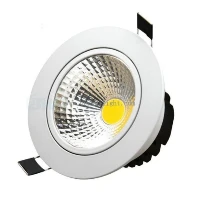
At its core, a recessed downlight is defined by its "recessed" installation and directional light output. A standard recessed downlight system comprises three key components: the housing (or "can"), the trim, and the light source. The housing-typically made of galvanized steel, aluminum, or fire-rated plastic-is the structural backbone, designed to fit into ceiling joists or cavities (ranging from 4 inches to 8 inches in diameter, the most common sizes for residential use). It houses the electrical wiring, heat sink (critical for LED performance), and mounting brackets that secure the fixture to the ceiling. For safety, especially in spaces with insulation (like attics above ceilings), "IC-rated" (Insulation Contact) housings are mandatory-they prevent heat buildup from the light source from igniting surrounding insulation, complying with global fire safety standards (such as the US National Electrical Code or EU EN 60598).

The trim is the visible part of the fixture, the element that frames the light as it exits the ceiling. Available in a wide range of styles, materials, and finishes, trim dictates both the aesthetic and light distribution of the downlight. For example, "baffle trim" (with a ribbed interior) reduces glare by absorbing excess light, making it ideal for bedrooms or living rooms; "reflector trim" (with a shiny, metallic interior) amplifies light output, perfect for task-focused areas like kitchens or home offices; and "pinhole trim" (a narrow, sleek design) delivers a focused beam for accent lighting, such as highlighting artwork or architectural details. Finishes span from matte white and brushed nickel to oil-rubbed bronze, allowing the trim to complement any decor-whether it's a modern Scandinavian home with white ceilings or a rustic kitchen with wooden beams.
The light source is the functional heart of the recessed downlight, and today, LEDs dominate this space. While older models relied on halogen or incandescent bulbs (which consumed 50–100 watts and had short lifespans of 1,000–2,000 hours), modern LED recessed downlights use just 7–15 watts-cutting energy consumption by up to 85%-and boast lifespans of 50,000–100,000 hours. LED downlights also offer superior control over light quality: they are available in a range of color temperatures, from warm white (2700K–3000K) that emits a cozy, yellowish glow (ideal for bedrooms and dining rooms) to cool white (4000K–5000K) that delivers bright, neutral light (perfect for kitchens, bathrooms, and offices) and daylight white (6000K–6500K) that mimics natural sunlight (great for workshops or spaces with limited windows).
Technical specifications are pivotal to understanding the performance and versatility of recessed downlights. Beyond wattage and color temperature, the Color Rendering Index (CRI) is a critical metric-it measures how accurately a light source reveals the true colors of objects. High-quality LED recessed downlights have a CRI of 80+, with premium models reaching 90+; this ensures that furniture, artwork, or food in a kitchen appear vibrant and true-to-life, rather than washed out or distorted. Beam angle is another key parameter: narrow beam angles (15°–25°) focus light on specific points (e.g., a painting or a kitchen island), medium angles (30°–45°) are ideal for highlighting larger areas (e.g., a dining table), and wide angles (60°–90°) provide ambient lighting for open spaces (e.g., a living room or hallway).
Dimming capability is a sought-after feature for recessed downlights, as it allows users to adjust brightness to suit different activities. Most modern LED models support dimming via traditional TRIAC dimmer switches (compatible with existing wiring) or smart controls (Bluetooth, Wi-Fi, or Zigbee), enabling adjustments via smartphone apps or voice assistants like Amazon Alexa. For bathrooms, kitchens, or other damp areas, IP (Ingress Protection) ratings are essential: IP44-rated downlights (protected against dust and splashing water) are suitable for bathrooms outside the shower zone, while IP65-rated models (dust-tight and protected against low-pressure water jets) can be used directly above showers or in covered outdoor spaces like patios.
Durability and safety are integral to the design of recessed downlights, especially given their permanent installation in ceilings. Fire safety is a top priority: as mentioned, IC-rated housings are required for ceilings with insulation, while "non-IC-rated" housings (for ceilings without insulation) still meet strict heat-dissipation standards. The housing material also plays a role in durability-aluminum housings offer excellent heat dissipation (which extends LED lifespan) and resistance to corrosion, making them suitable for humid areas like bathrooms. Steel housings are more affordable and sturdy, ideal for dry spaces like bedrooms or offices. Additionally, safety certifications such as UL (Underwriters Laboratories) for North America or CE (Conformité Européenne) for Europe ensure that the fixtures meet rigorous electrical safety standards, reducing the risk of short circuits or fire.
The versatility of recessed downlights is evident in their wide range of applications, spanning residential, commercial, hospitality, and public sectors. In residential spaces, they excel at balancing functionality and aesthetics. In kitchens, recessed downlights are installed above countertops and islands to deliver bright task lighting-cool white color temperatures (4000K–5000K) ensure clarity for food preparation, while medium beam angles (30°) avoid casting shadows. Bathrooms benefit from IP44 or IP65-rated downlights: they provide even illumination around vanities (reducing makeup application errors) and above showers (without the risk of water damage). Living rooms use recessed downlights to create layered lighting: wide-beam (60°) fixtures deliver ambient glow, while narrow-beam (20°) models highlight artwork or bookshelves. Bedrooms often feature warm white (2700K) dimmable downlights, which can be adjusted to a soft glow for relaxation or brightened for reading. Even small spaces, like hallways or closets, benefit from recessed downlights-their compact design avoids cluttering the ceiling, while their directional light eliminates dark corners.
In commercial settings, recessed downlights are a staple due to their sleek profile and adaptability. Offices rely on them to illuminate open workspaces: cool white (4000K) downlights with high CRI (90+) reduce eye strain and boost productivity, while their recessed design keeps ceilings looking clean and unobstructed. Retail stores use recessed downlights to enhance product displays: narrow-beam, high-CRI models highlight clothing racks, jewelry cases, or electronics, making products appear more appealing to customers. Unlike track lights, recessed downlights offer a more permanent, polished look-ideal for luxury boutiques or high-end department stores. Restaurants and cafes leverage their versatility to create ambiance: warm white downlights above dining tables foster intimacy, while brighter cool white fixtures illuminate bar areas or kitchen open-concepts.
Hospitality and public spaces also depend on recessed downlights. Hotels use them in lobbies to create a welcoming first impression-wide-beam ambient downlights paired with accent downlights highlighting chandeliers or art installations. Hotel rooms feature dimmable warm white downlights, ensuring guests can adjust lighting to their preference. Museums and art galleries use high-CRI (95+) recessed downlights to illuminate exhibits: their directional beams focus light on artworks without causing glare or UV damage (LEDs emit minimal UV radiation, unlike halogen bulbs). Libraries use them to light reading areas and book stacks, with adjustable beam angles ensuring even illumination across shelves. Even airports and shopping malls rely on recessed downlights-their durability and low maintenance make them suitable for high-traffic, 24/7 environments.
Installation of recessed downlights requires careful planning, but modern designs have simplified the process for both professionals and DIY enthusiasts. The first step is determining the ceiling type: for drywall ceilings, a hole saw (matching the fixture's diameter) is used to cut cavities between joists. For drop ceilings (common in commercial spaces), the housing is simply placed into the grid and secured with clips. Key considerations include spacing: to avoid uneven lighting, downlights are typically installed 2–3 feet apart in living rooms, 1.5–2 feet apart above kitchen countertops, and 4–5 feet apart in hallways. Electrical wiring is another critical step-hardwired models require connection to the home's electrical system (best done by a licensed electrician), while "plug-and-play" models (with a power cord) can be plugged into ceiling outlets for easier installation (ideal for renters or temporary setups).
Maintenance of recessed downlights is minimal, thanks to LED technology. Unlike halogen bulbs that need replacement every 1–2 years, LED downlights can last 10–20 years with regular use, reducing the need for ladder climbs and bulb changes. Routine maintenance involves occasional cleaning: the trim can be removed and wiped with a soft, dry cloth to remove dust, while the lens (if present) can be cleaned with mild soap and water to maintain light output. For IC-rated housings, it's important to ensure insulation remains properly positioned around the fixture (not covering the trim) to prevent heat buildup. If a light source fails, most modern LED downlights have replaceable modules-users can simply remove the trim, swap out the LED module, and reattach the trim, rather than replacing the entire fixture.
The market for recessed downlights is evolving rapidly, driven by trends in smart lighting, sustainability, and design innovation. Smart recessed downlights are gaining traction: models with built-in Wi-Fi or Bluetooth allow users to control brightness, color temperature, and even color (for RGB-enabled versions) via smartphone apps. Some smart systems integrate with home automation platforms, enabling features like motion sensing (turning lights on when someone enters a room) or scheduling (dimming lights at bedtime). Sustainability is another key trend: manufacturers are using recycled materials (e.g., recycled aluminum for housings) and energy-efficient LEDs to reduce environmental impact. Many models also meet global energy standards like ENERGY STAR, which certifies products that use at least 75% less energy than traditional incandescent bulbs.
Design innovation is also shaping the market: ultra-thin recessed downlights (with a depth of less than 2 inches) are ideal for ceilings with limited cavity space (e.g., concrete ceilings in apartments), while "wafer" downlights (without a traditional can) offer even more flexibility for shallow ceilings. Color-changing RGB recessed downlights are growing in popularity for residential spaces, allowing users to switch between warm white for everyday use and vibrant hues (like blue or red) for parties or ambiance. In commercial settings, "tunable white" downlights- which let users adjust color temperature from warm to cool-are becoming common in offices and retail stores, as they can adapt to natural light changes throughout the day, improving comfort and productivity.
In conclusion, recessed downlights represent the perfect blend of form and function in modern lighting. Their recessed design saves space and creates a clean, cohesive look, while their technical versatility-from adjustable color temperatures to dimming capabilities-caters to every lighting need. Whether illuminating a kitchen counter, highlighting a museum exhibit, or setting the mood in a restaurant, they deliver consistent performance, energy efficiency, and long-term reliability. As smart technology and sustainability continue to drive the lighting industry, recessed downlights are poised to evolve further-offering even more control, efficiency, and design flexibility. They are more than just fixtures; they are a subtle yet powerful tool for transforming spaces, enhancing experiences, and elevating the way we live, work, and interact with our environments.
https://www.benweilight.com/industrial-lighting/led-floor-light/9w-recessed-downlight.html
Together, we make it better.
Shenzhen Benwei Lighting Technology Co.,Ltd
Mobile/Whatsapp :(+86)18673599565
Email:bwzm15@benweilighting.com
Skype: benweilight88
Web: www.benweilight.com
Add:F Building,Yuanfen Industrial Zone,Longhua,Bao'an District,Shenzhen, China