Redefining Light: LED Lighting Trends for 2025 and Beyond
The lighting industry has undergone a remarkable transformation in recent decades, largely driven by the rapid advancement of LED technology. Known for their energy efficiency, long lifespan, and versatility, LEDs continue to evolve, giving rise to a wave of innovative applications. Looking forward, several key trends are shaping the future trajectory of LED lighting.
Smart Lighting and IoT Integration
A dominant trend is the fusion of smart technology and the Internet of Things (IoT) with LED lighting. Smart LED systems enable remote control via smartphones, voice assistants, or automated platforms. Users can adjust brightness, color temperature, and set schedules, enhancing both convenience and energy savings. Beyond user control, IoT-connected LEDs can collect environmental data, optimize power consumption in real-time, and deliver personalized lighting scenarios, making them integral to smart homes and intelligent building management.
Energy Efficiency and Sustainability
With rising global energy demands, enhancing the efficiency and eco-friendliness of LEDs remains a priority. Modern LEDs consume far less power than traditional lighting while delivering superior luminous efficacy. Ongoing improvements in materials and manufacturing processes are further reducing their environmental impact. There is also a growing emphasis on designing LEDs for easier recycling, aligning with circular economy principles and minimizing waste throughout the product lifecycle.
Miniaturization and Design Flexibility
LEDs are becoming smaller and more adaptable, unlocking new possibilities in lighting design. Miniature options such as chip-on-board (COB) LEDs enable sleek, low-profile fixtures that blend seamlessly into modern architecture. Flexible LED strips and panels are increasingly used in retail displays, artistic installations, and custom interior designs. This trend elevates light from a mere functional element to an essential component of spatial and aesthetic design.
Human-Centric Lighting
Human-centric lighting (HCL) is an emerging approach that uses LEDs to support human well-being. By mimicking the dynamic spectrum of natural daylight, HCL systems can help regulate circadian rhythms, improving alertness, mood, and sleep quality. For instance, cooler white light during daytime hours boosts concentration, while warmer tones in the evening promote relaxation. Such systems are being adopted in offices, schools, healthcare facilities, and residences to align artificial lighting with biological needs.
UV-C LED Technology for Disinfection
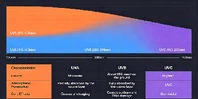
The COVID-19 pandemic accelerated interest in UV-C LED technology for disinfection purposes. These LEDs emit short-wavelength ultraviolet light that can neutralize bacteria, viruses, and other pathogens. Unlike traditional mercury-based UV lamps, UV-C LEDs are mercury-free, more energy-efficient, and can be integrated into lighting fixtures for continuous disinfection in hospitals, public transport, and residential settings.
Micro-LED and Nano-LED Displays
Micro-LED and Nano-LED technologies are set to redefine high-performance displays and specialized lighting. Offering exceptional brightness, contrast, and energy efficiency, these ultra-small LEDs are ideal for next-generation screens, augmented reality (AR), and virtual reality (VR) devices. Although still in early commercialization stages, they hold the potential to revolutionize how we interact with visual information and immersive environments.
Agricultural and Horticultural Lighting
LEDs are playing an increasingly vital role in sustainable agriculture. Tailored LED grow lights can emit specific light spectra to optimize plant growth, accelerate photosynthesis, and increase crop yields. This technology is especially valuable for vertical farms and indoor cultivation, enabling year-round food production with significantly lower energy and water use compared to traditional farming.
In summary, the future of LED lighting is bright, innovative, and transformative. From smart and sustainable urban development to health-oriented and agricultural applications, LED technology is reshaping how we illuminate and interact with the world. By embracing these developments, businesses and consumers alike can benefit from lighting that is not only more efficient and adaptable but also more attuned to human and environmental needs. As LEDs continue to advance, their role expands beyond simple illumination-toward enhancing quality of life and building a more sustainable future.