Are you interested in switching to LED lighting for your RV's halogen or incandescent bulbs but unsure of where to begin? There is no denying that they enhance your rig's appearance and efficiency, but what else should you know? You will have all the knowledge you need to make an informed decision thanks to this in-depth essay.
Benefits and Drawbacks of LED Lighting
Light-emitting diodes, sometimes known as LEDs, have been in use for well over 60 years. The technique has just lately been modified for usage in RVs. Today, you can purchase LED lights to replace each and every light in your RV. Switching to this form of energy-efficient lighting is as simple as changing a light bulb thanks to the diversity of alternatives. Other advantages are:
1.Energy-efficient: Standard RV lights use around 10% less energy than LED lights. This keeps your batteries from being drained and enables you to use your RV for extended periods of time without needing to plug it in.
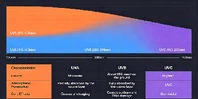
2.Since LEDs don't emit UV light, your interior won't fade as a result. This means that there is no chance of your draperies, furniture, or walls fading.
3.Mercury-Free: Unlike fluorescent lights, LED lights don't contain lead or mercury.
4.Long-lasting durability: LED lights have an average lifespan of 50,000 hours, or nearly seven years. In comparison, incandescent lights last for two thousand hours, whereas halogens last for one thousand hours. It's reasonable to say that replacing an LED light won't happen very often.
5.Brightness: The majority of RV LED lights are typically just as bright as or even brighter than their more prevalent counterparts.
6.Halogen and incandescent lights, which burn at 200 degrees Fahrenheit, produce very little heat. LEDs burn at temperatures ranging from 80 to 100 degrees Fahrenheit. The likelihood of your fingertips getting burnt or the interior of your RV heating up is reduced by the cooler temperature. In other words, you won't need to constantly run your energy-guzzling air conditioner.
7.LED lights provide light immediately, and they do so with maximum brightness. There is no need to wait for the light to get brighter like with fluorescent lights.
8.Durability: LED lights are resistant to vibrations and can survive the ups and downs of RV travel.
9.Variety: They come in a wide range of colors, enabling you to tailor your outfit to your own preferences.
10.Higher upfront cost: LED lighting can cost up to 10 times as much as incandescent lighting. However, you'll discover that switching to this form of illumination will result in financial savings after this initial outlay.
11.Voltage Sensitivity: Voltage variations frequently occur in RVs' 12-volt housing systems. LED lights may sustain damage from these variations. Voltage regulators are used by RV LED lights to adjust for this. You must buy LED lights designed particularly for RV usage because of this.
12.Although it doesn't happen often, LED lights can overheat. If the ambient temperature is high enough and the LED is not ventilated properly, this happens.