The solar light is the sun light... right? Well, not really. There are many different types of solar lighting systems that use many different types of technology. The solar lights you find in your local decoration store are very different from the solar lights that are made for commercial applications. And, depending on what the customer wants to spend on the system or the entire project, the change can be significant.
Commercial Solar Lighting
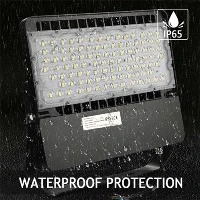
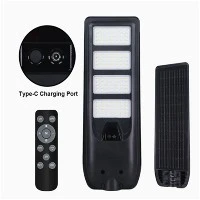
Solar Lights products are used in commercial applications such as roads, parking lots, large-area security, sidewalks and access, etc., with high upfront costs, but they pay almost immediately, especially if the grid is forbidden or difficult to introduce. These systems provide illumination for specific applications with different operational settings. They also provide electricity stored for many days to provide continuous reliability for inclement weather.
The light power is also different. Each system type and watt light will be used for that particular application. It takes more energy to light up a billboard than to illuminate a small channel, because you usually use a single power component to power multiple fixtures; however, each fixture has its own power supply in one path. These types of projects are also very different from road and parking applications where lighting levels and operations may be completely different.
This makes commercial solar lamps more versatile. Each system is manufactured to meet specifications. Lights needed from twilight to dawn should be adjusted accordingly, instead of 10 hours in general. That is what many other manufacturers are starting to do. Instead, these systems need to be adjusted in the worst case to ensure normal operation throughout the year.
Non-commercial solar lighting
The solar lights you can buy in local decoration store is very different. There is still battery storage, but it is small and only has solar energy from hours of sun light it received on that day, without real backup power. If there is a cloudy day, or rain for many days, the lights will not last that long, and may not even lights on until the conditions improve. For example, there are solar cable lights on my back terrace. As long as there is enough sunshine during the day, these lights work almost from dusk to dawn. On rainy and cloudy days, they lights out after about 5 hours or less. They even don't provide sufficient light to read; just a faint glow from 20 LEDs on the rope. These are great for the applications I use, but if you need to provide lighting for reading, security, or most commercial applications, these won't work, and they won't be reliable at all. Guarantee is another major difference between the two lights. Commercial lamp warranty starts at 5 years from a specific component and then rises from there; however, most non-commercial lights are warranted for 30 days to one year. Because these lamps are not intended to last in this field for more than 25 years, they are not manufactured from the same solid components as commercial lamps. Therefore, if you just illuminate a driveway or sidewalk for signage or ambient lighting, small non-commercial solar lights will be perfect. Commercially produced solar lights are feasible if the project requires more safety lighting or large applications.