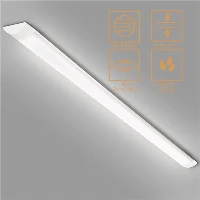
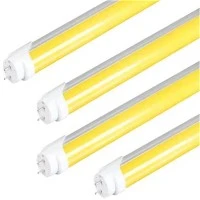
The foundation of professional image creation is the lighting used in photo studios and video production studios.

In the field of visual storytelling, whether it be through photography or videography, light is the essential ingredient that molds mood, defines detail, and brings subjects to life. This is true regardless of the medium. It is the photo studio lights and video lighting systems that are the unsung heroes of this process. They provide the control and variety that is required to convert ordinary settings into exceptional sights. With the ability to produce soft, diffused glows that flatter portraiture as well as precise, directed beams that emphasize product details, these lighting tools are useful for both professionals and hobbyists alike. In this article, the many forms of photo studio and video lighting, as well as their technology, applications, and best practices, are discussed. The article also reveals how these lighting techniques improve the quality of visual material.
Each type of fixture in the world of photo studio and video lighting is designed to serve distinct functions based on its capacity to shape, disperse, and regulate light. This diversity characterizes the world of lighting in these fields. It is essential to have a solid understanding of the distinctions between these categories in order to select the appropriate tool for a certain job.
Because they create a constant beam that enables users to see exactly how the light will interact with the subject in real time, continuous lights are an essential component in both photography and filmmaking. This makes them perfect for video production, where steady lighting is vital for smooth film, as well as for beginners in photography, who benefit from the rapid visual feedback that they provide. With its energy economy, adjustable brightness, and frequently changing color temperature (ranging from warm 3200K to cool 5600K, covering tungsten to daylight), LED panels have become the most common kind of continuous lighting in the modern period. Since they are not only portable but also lightweight, they produce very little heat, which makes them acceptable for extended periods of photography. Tungsten bulbs, which are recognized for producing a warm and rich light but also emit a significant amount of heat, and fluorescent lights, which provide a light that is even and soft but might flicker in video if they are not intended for high frame rates, are two other continuous lamp possibilities.
Studio Strobes, also known as Flash Units, are the workhorses of professional photography. They generate intense bursts of light that are capable of freezing motion and give a higher intensity than continuous lights. They are especially helpful for still photography since the flash has a short duration (typically 1/1000 of a second or quicker), which allows it to catch excellent details in things that are moving quickly. This includes topics such as athletes in motion and little drops of water. The strength of strobes may be adjusted, which enables photographers to regulate the quantity of light without having to change the exposure time or aperture. Additionally, strobes can be synced with the shutter of the camera through the use of radio triggers or infrared sensors. When it comes to power packs, which are separate units that are connected to flash heads by cables, monolights, which are a form of strobe that comes with an integrated power source, are popular due to their mobility. On the other hand, power packs provide more constant power for several lights in big studios.
As a result of its ability to produce directed and concentrated lighting, LED Spotlights and Fresnels are ideally suited for the creation of dramatic highlights or for the simulation of natural light sources such as the sun. Fresnel lights, which get their name from the ridged lens design that they have, are capable of producing a narrow beam that can be changed from spot (which means it has a tight focus) to flood (which means it has a larger spread), providing precise control over the light's coverage. When it comes to video production, they are frequently utilized for key lighting, which refers to the primary source of light that illuminates the subject, or for adding depth by casting shadows. Users are able to further shape the light using LED spotlights, which often come with barn doors, which are metal flaps that can be adjusted. This allows the light to be blocked from hitting undesirable regions and create crisp edges, which is great for product photography or highlighting particular aspects of a subject.
This is because softboxes and umbrellas are not lights in and of themselves; rather, they are modifiers that operate in conjunction with continuous lights or strobes to disperse and soften the light. Softboxes, which are used for portrait photography because soft light flatters skin tones, provide a smooth, even glow that reduces sharp shadows. They are great for portrait photography because they surround the light source in a box that is covered in fabric and has a diffuser screen. Umbrellas are more portable and cheaper than other types of umbrellas, making them a popular choice for on-location shoots or small studios. Umbrellas can be designed to reflect light off of a silver or white inside, or they can be shoot-through, which diffuses light through a translucent fabric. Through the reduction of the contrast between light and shadow, both modifiers contribute to the creation of a more natural and welcoming appearance.
Over the past few years, ring lights have been increasingly popular, particularly for use in macro photography, beauty photography, and blog photography. Because of its circular form, the camera is able to shoot into the center of the light, which results in equal illumination that reduces shadows on the subject's face. This makes them perfect for emphasizing features such as jewelry or cosmetics. Because of their low weight and the fact that they frequently come with dimmable settings and the ability to modify the color temperature, LED ring lights are versatile enough to be used for both video and photography applications.
A number of essential technical characteristics are responsible for determining the performance, adaptability, and appropriateness of photo studio and video lighting systems. These characteristics are what define the efficacy of these systems.
Color Accuracy is of the utmost importance since it guarantees that the colors in the final image or video are accurate representations of the subject's actual hues. The Color Rendering Index (CRI) is a scale that ranges from 0 to 100 and is used to evaluate the degree to which a light source is able to correctly show colors in comparison to natural light. When working professionally, it is suggested to have a color rendering index (CRI) of at least 90. This is especially true for product photography, where color accuracy plays a significant role in influencing purchase decisions, and portraiture, where skin tones must seem realistic. There are certain fluorescent lights that may have difficulty correctly portraying reds and greens, but LED lights often perform quite well in this regard. High-quality versions of LED lights typically have CRI values of 95 or above.
The option to adjust the color temperature gives users the opportunity to tailor the lighting to the surroundings, regardless of whether they are working with natural daylight (5600K), indoor tungsten lighting (3200K), or a combination of the two. For on-location shoots that take place in environments with varying levels of illumination, bi-color LED panels that are able to switch between these two extremes are a useful tool. For instance, a videographer who is shooting in a space that has both sunshine and overhead lighting can modify the color temperature of the panel in order to prevent a conflict of warm and cold tones in the clip.
"Smooth dimming" is a feature that allows users to modify the brightness of their display without affecting the color temperature. Dimming capabilities provide consumers control over the intensity of the light. For example, setting a main light to 70% brightness and a fill light to 30% brightness in order to produce a natural contrast is an example of how this is something that is essential for balancing numerous light sources. Dimmers of high quality enable precise changes to be made in small increments, which ensures that the lighting is consistent throughout the shot.
Luxes (for continuous lights) or watt-seconds (for strobes) are the units of measurement for light output, which indicates the amount of light that the fixture is capable of producing. It is vital to have a higher output when working with big studios or topics that require intense illumination, such as group portraits or product displays. Strobes are known to provide a greater amount of power in a more compact shape, with professional models reaching more than one thousand watt-seconds. On the other hand, LED panels can range from one thousand to twenty thousand lumens, depending on their size and design.
For those that film on location, portability and durability are two crucial factors to take into account. Strobes may require more sturdy cases, but they are still manageable for travel. LED panels, on the other hand, are often lightweight (ranging from one to five pounds) and foldable, making them easy to put into camera bags. To guarantee that lights are able to survive the rigors of fieldwork, they are designed with durability characteristics such as metal housings, materials that are resistant to heat, and weather resistance (for usage outside).
The modular design enables users to extend the capabilities of their lighting setups by including other components like as gels, grids, snoots, and softboxes. Grids are attached to softboxes in order to limit the light beam and prevent it from overflowing into the backdrop. Gels, which are colored filters, has the ability to modify the color of the light in order to achieve creative effects or to match the color of the light sources that are already there. This versatility makes it possible for a single light fixture to be used in a broad variety of different situations.
Lighting systems for photo studios and video cameras are utilized in a wide variety of businesses, each of which necessitates the application of certain methods in order to obtain the desired visual result.
Lighting is an extremely important aspect of portrait photography and videography because it allows for the capturing of the subject's personality and characteristics. A key light, which is the primary source of illumination and is positioned at a 45-degree angle to the subject, a fill light, which is softer and put on the other side to eliminate shadows, and a backlight, which is placed behind the subject to provide a separation between them and the backdrop, are the three lighting setups that are most usually employed. Creating a pleasing glow for headshots may be accomplished using a softbox or umbrella that has a warm color temperature of 3200K-4000K. On the other hand, a ring light is commonly used for beauty films since it highlights skin texture without producing harsh shadows. The use of portable LED panels or strobes with diffusers is common practice in outdoor portrait sessions. These devices are used to fill in shadows generated by direct sunshine, so ensuring that the subject's face is lighted uniformly.
Taking photographs of products requires careful lighting in order to correctly display the intricacies, textures, and colors of the product. For the purpose of illuminating complex aspects of small objects like as jewelry or cosmetics without causing glare, macro lights or small LED panels equipped with softboxes are utilized. It may be necessary to use many strobes equipped with grids in order to concentrate light on particular regions of larger objects, such as furniture or electronics, in order to emphasize materials such as wood grain or metal finishes. A method that is commonly utilized is called "light tenting," which involves surrounding the product with diffused light (typically from softboxes or shoot-through umbrellas) in order to get rid of reflections and provide a clean, white backdrop. This is a vital approach for e-commerce listings, since clarity is the primary factor that drives purchases.
Lighting is used in commercial and advertising video to portray the identity of the business as well as set the atmosphere. A ad for a luxury automobile, for instance, would utilize dramatic side lighting with a Fresnel spotlight to accentuate the vehicle's contours. On the other hand, a culinary video can use soft, warm continuous lighting to make foods look fresh and appealing. Three-point lighting is modified for usage in video, with the main light often being somewhat brighter than it is in photography to account for motion, and backlights being utilized to guarantee that the subject is the focal point of attention against various backdrops. As a result of their capacity to maintain steady lighting over lengthy takes, LED panels that are equipped with dimming and color modification are preferable in this context.
An increase in the need for easily accessible and high-quality lighting has been observed in the realm of live streaming and content creation. In order to guarantee that they are visible even in low-light environments, vloggers, gamers, and others who create content for social media platforms frequently utilize ring lights or tiny LED panels that are positioned near to their faces. They are able to adjust the color temperature to match the lighting to their environment, whether they are filming in a sunny room or at night. Dimming features prevent the camera from overexposing itself. Additionally, some authors employ colored gels to create themed material, such as bright blue lighting for a review of a technological product.
To create worlds that are completely immersive, the production of films and televisions requires the use of complex lighting sets. For the purpose of illuminating performers, key lights are often enormous Fresnel fixtures, and fill lights in the form of softboxes or diffused panels are utilized to lessen contrast. Separation is achieved by the use of backlights and hair lights, which prevent characters from becoming masked by the backdrop. For the purpose of creating an atmosphere, such as the warm glow of a pleasant living room or the harsh fluorescence of an office, specialized lights such as LED ribbons or practical fixtures (table lamps, streetlights) are utilized. The use of dimmers and DMX controllers, which are devices that coordinate many lights, makes it possible to create dynamic changes, such as the appearance of a candle flickering or a sunset.
When it comes to selecting the appropriate lighting system for a photo studio or video production, considerations such as money, space, and intended usage are important. However, adhering to best practices may help maximize outcomes regardless of the equipment used.
Beginning with the Key Light Because the key light serves as the basis of any arrangement, it is important to position it first in order to determine the primary direction and intensity of the light emanating from it. For portraiture, a 45-degree angle above and to the side of the subject adds depth, while for product photography, a frontal key light ensures that the subject is illuminated evenly.
Create a balance with fill and backlights: To lessen harsh shadows caused by the key light, add a fill light. The intensity of the fill light should be between 50 and 70 percent of the key light in order to keep the natural contrast intact. If you adjust the backlight to 30–50% of the main light, it will provide separation and depth, which will make the subject stand out more.
Light may be controlled by using modifiers such as softboxes, umbrellas, or diffusers. Softboxes are used to soften the light for portraiture, while grids or snoots are used to focus the light on product details. A cost-effective fill light may also be achieved by using reflectors, which can be white, silver, or gold in color. Reflectors can bounce light back onto the subject.
It is important to ensure that all of the lights have the same color temperature in order to prevent color casts from occurring. In the event that natural and artificial light are mixed together, gels or LED panels should be adjusted so that they correspond to the dominant light source. For instance, a daylight-balanced light may have a CTO (color temperature orange) gel added to it in order to match tungsten.
For photography, it is important to take test pictures in order to check the exposure and shadows. For video, it is necessary to shoot a short clip in order to evaluate the consistency. Utilize a light meter (for photography) or a histogram (for video) to verify that the exposure is correct, so preventing the highlights from being overexposed or the shadows from being underexposed.
Power and portability are two factors to take into consideration. Strobes or high-output LED panels are the best options for studio use. On the other hand, battery-powered LED panels or portable strobes with rechargeable batteries are suitable for work on site. It is especially important to make sure that wires are secured in order to minimize tripping risks in busy studios.
Lighting is becoming more accessible, efficient, and creative than it has ever been before as a result of improvements in LED technology, smart controls, and sustainability. These innovations will influence the future of lighting in photo studios and video studios.
The development of smart lighting systems enables users to regulate the brightness, color temperature, and even the patterns of light through the use of smartphone applications or voice commands (in the case of Alexa and Google Assistant). LED panels that are connected with Wi-Fi or Bluetooth may be linked, which enables dynamic changes. For instance, gradually transitioning from warm to cold light during the length of a film to imitate the passage of time is one example. It is even possible for certain systems to interface with cameras, allowing them to automatically modify settings based on the situation.
Manufacturers are creating LEDs that generate more lumens per watt, so lowering the amount of electricity that is consumed. Energy efficiency is becoming an increasingly important priority. Additionally, solar-powered portable lights are gaining popularity for use in outdoor shoots, which is in line with the industry's trend toward more environmentally friendly practices. Materials that are recyclable and designs that are modular, which enable for individual components to be changed rather than the complete fixture, are also contributing to the reduction of waste.
Through the processes of miniaturization and integration, lighting is becoming more adaptable. Tiny LED beads, also known as micro-LEDs, make it possible to create panels that are thinner and more flexible, allowing them to be put in space-constrained areas, such as around camera lenses for macro photography. Despite the fact that some cameras and cellphones now come equipped with built-in LED rings or panels, professional setups continue to rely on external lights for improved control.
An artificial intelligence-driven lighting system is on the horizon. This system will assess the scene (via the input of the camera) and automatically alter the light intensity, color, and direction in order to get the best possible outcomes. The learning curve for effective lighting approaches might be dramatically reduced as a result of this, which could change photography and video for beginners.
When it comes to the production of professional visuals, photo studio lighting and video lighting are indispensable instruments. In addition to providing alternatives like as LEDs, strobes, and softboxes, they also provide the ability to modify the brightness, color temperature, and light control. The quality of any visual project is improved by their ability to enhance detail and mood, making them ideal for portraits, goods, films, and other visual projects.
https://www.benweilight.com/ceiling-lighting/flat-led-panel/photo-studio-light-video-lighting-40w-50w.html
Together, we make it better.