The True Cost of Leaving an LED Light On All Day: A Detailed Breakdown
1. Introduction: The LED Energy Efficiency Revolution
LED lighting has transformed energy consumption, using 75% less power than incandescent bulbs and 40% less than CFLs. But how much does it actually cost to leave an LED light running 24/7?
This article breaks down:
Electricity costs (by wattage and region)
Long-term savings vs. traditional bulbs
Real-world case studies
Tips to minimize waste
2. Calculating the Daily Cost of an LED Light
2.1 Basic Formula
Cost = (Wattage × Hours Used × Electricity Rate) ÷ 1000
| LED Wattage | Daily Cost (USA, $0.15/kWh) | Annual Cost |
|---|---|---|
| 6W (A19 bulb) | $0.022/day | $8.03/year |
| 12W (BR30 floodlight) | $0.043/day | $15.77/year |
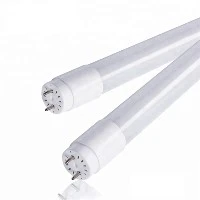
| 20W (T8 tube) | $0.072/day | $26.28/year |
Comparison with Other Bulbs:
| Bulb Type | Wattage | Annual Cost (24/7) |
|---|---|---|
| Incandescent | 60W | $78.84 |
| CFL | 14W | $18.39 |
| LED | 10W | $13.14 |
Key Insight:
Leaving a single incandescent bulb on all day costs 6× more than an LED!
3. Regional Electricity Cost Variations
Electricity rates vary dramatically worldwide:
| Country | Avg. Cost per kWh (USD) | Annual Cost (10W LED, 24/7) |
|---|---|---|
| USA | $0.15 | $13.14 |
| Germany | $0.40 | $35.04 |
| India | $0.08 | $7.01 |
| Australia | $0.25 | $21.90 |
Case Study:
A Berlin apartment switched from CFLs (14W) to LEDs (9W) for 24/7 hallway lighting, saving €22/year per bulb.
4. Real-World Scenarios & Cost Analysis
4.1 Leaving a Porch Light On 24/7
Fixture: 12W LED floodlight
Daily Cost (USA): $0.043
Annual Cost: $15.77
Alternative: A motion-sensing LED (runs 10% of the time) = $1.58/year
4.2 Office Building (100 LED T8 Tubes)
Total Wattage: 20W × 100 = 2,000W
Daily Cost (USA): $7.20
Annual Cost: $2,628
Savings with Occupancy Sensors: ~$1,500/year
5. Hidden Costs of 24/7 LED Use
While LEDs are efficient, continuous operation still has drawbacks:
| Factor | Impact |
|---|---|
| Lifespan Reduction | LEDs last 50,000 hrs at 25°C but degrade faster if overheated from constant use. |
| Utility Demand Charges | Commercial buildings may pay extra for peak energy demand. |
| Light Pollution | Unnecessary outdoor lighting disrupts ecosystems. |
Example:
A Las Vegas hotel reduced 24/7 lobby lighting by 50%, cutting $8,200/year in demand charges.
6. How to Minimize Costs Without Sacrificing Light
6.1 Smart Lighting Solutions
| Solution | Savings Potential |
|---|---|
| Motion Sensors | 70–90% less runtime |
| Dimmable LEDs | 20–60% energy reduction |
| Smart Scheduling | Automatically turns off when not needed |
Case Study:
A Walmart store installed AI-controlled LEDs, reducing lighting energy use by 40% ($12,000/year savings).
6.2 Daylight Harvesting
Uses photocells to dim LEDs when natural light is sufficient.
Cuts energy use by 30–50% in offices.
7. LED vs. Traditional Bulbs: Lifetime Cost Comparison
| Bulb Type | Purchase Price | Lifetime Energy Cost (50,000 hrs) | Total Cost |
|---|---|---|---|
| Incandescent | $1.50 | $450 | $451.50 |
| CFL | $3.00 | $105 | $108.00 |
| LED | $5.00 | $75 | $80.00 |
Key Takeaway:
An LED's higher upfront cost is offset within 1–2 years by energy savings.
8. Future Trends: Even More Efficient LEDs
GaN-on-GaN LEDs (30% less energy loss)
Quantum Dot LEDs (higher lumens per watt)
Solar-Powered LEDs (zero grid dependence)
Pilot Project:
A Tokyo office building uses perovskite LED panels, achieving 200 lm/W (vs. standard 100 lm/W).
9. Conclusion: Is It Worth Leaving LEDs On?
For homes: A single 10W LED left on 24/7 costs just ~$13/year-but sensors can reduce this to $1–3.
For businesses: Occupancy-based lighting pays for itself in <2 years.
Final Tip:
"Use smart plugs or dimmers to automate LEDs-saving energy without lifting a finger."