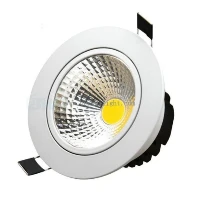
The Ultimate Buyer's Guide to Ultra-Thin Recessed Round Panel Lights & Why They're the Future of Illumination
In the evolving landscape of interior design and lighting, one product has quietly revolutionized how we think about ceiling illumination: the ultra-thin recessed round panel light. Sleek, efficient, and remarkably versatile, these fixtures have moved from commercial applications to becoming the cornerstone of modern residential lighting schemes. But with so many options on the market, how do you choose the right one? And why are they consistently hailed as the future of lighting? This article merges a practical buyer's guide with a forward-looking analysis to answer these very questions.
Part 1: The Informed Buyer's Guide – 5 Key Metrics for Choosing the Best Panel Light
Purchasing an ultra-thin panel light involves more than just comparing prices and diameters. To avoid costly mistakes and ensure a perfect, long-lasting installation, focus on these five critical technical and quality indicators.
1. Color Rendering Index (CRI >90): The Truth in Light
The CRI measures a light source's ability to reveal the true, authentic colors of objects, fabrics, and skin tones compared to natural sunlight. A low CRI (below 80) can make a vibrant room look dull and lifeless. For any application where color accuracy matters-whether it's in your kitchen, bathroom, art studio, or retail shop-insist on a CRI of 90 or higher. This is non-negotiable for designers and is the single biggest factor that separates professional-grade lighting from cheap, impersonal alternatives.
2. Material and Heat Management: The Lifespan Factor
Ultra-thin does not have to mean ultra-fragile. The build quality, specifically the housing material, is paramount for longevity. High-quality aluminum alloy is the material of choice for two reasons: it is incredibly durable, and it acts as an effective heat sink. LEDs degrade faster when overheated. An aluminum body efficiently draws heat away from the LED chips, protecting them and ensuring the light maintains its lumen output over its promised lifespan, which can be 50,000 hours or more. Avoid fixtures with plastic housings, as they trap heat and are prone to yellowing over time.
3. Luminous Flux (Lumens) and Color Temperature (Kelvin): Setting the Mood
Don't confuse wattage (energy consumption) with brightness (light output). Focus instead on lumens (lm). A typical 24W panel light might output 2400-2800 lumens, providing ample illumination for a room.
Equally important is color temperature, measured in Kelvins (K):
2700K-3000K: Warm White. Creates a cozy, intimate atmosphere perfect for living rooms and bedrooms.
3500K-4500K: Neutral White. Clean and crisp, ideal for kitchens, offices, and bathrooms.
5000K-6500K: Cool White. Energizing and bright, best for garages, retail spaces, and task lighting.
Many modern panels offer selectable color temperatures (CCT), allowing you to change the mood with a switch.


4. Glare-Free Design: Comfort for the Eyes
The best panel lights prioritize visual comfort. They utilize edge-lit technology and a micro-prismatic diffuser (often made of high-quality PMMA or acrylic) to distribute light evenly across the entire surface. This eliminates harsh hotspots and glare, which can cause eye strain. The result is a soft, uniform luminance that is comfortable to look at directly, making these fixtures perfect for rooms where people look upwards frequently.
5. Certifications and Warranty: The Marks of Trust
Finally, never overlook safety and reliability. Look for international safety certifications like CE and RoHS, which ensure the product meets strict electrical and environmental standards. Furthermore, a reputable manufacturer will back its product with a long-term warranty of 3 to 5 years. This is a strong indicator of their confidence in the product's durability and performance.
Part 2: The Trend Analyst's View – Why Ultra-Thin Panel Lights Are the Future
Beyond the specs sheet, these lights represent a fundamental shift in lighting philosophy, driven by technological advancement and changing consumer demands.
1. The Technological Leap: From Bulky to Invisible
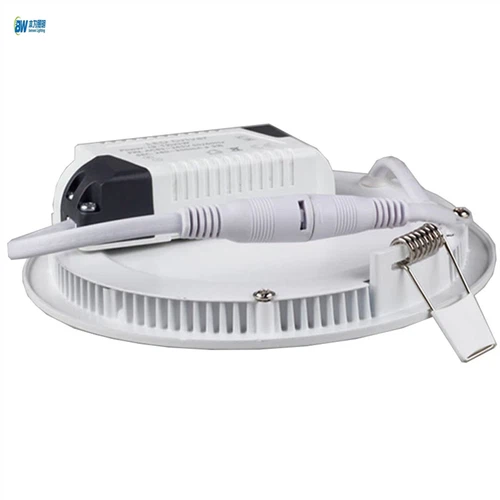
Lighting has evolved from incandescent bulbs to fluorescent troffers, and now to LED panels. The move to edge-lit LED technology is the key enabler. By placing LEDs on the perimeter and guiding light across a thin导光板 (light guide plate), engineers have achieved astonishingly slim profiles-often under 0.5 inches thick. This allows for seamless integration into almost any ceiling with minimal intrusion, a feat impossible with older, bulkier lighting systems.
2. The Health and Wellness Movement: Human-Centric Lighting
Modern consumers are increasingly aware of how their environment affects their well-being. Lighting is a major part of this. Ultra-thin panels are at the forefront of human-centric lighting because their high CRI and excellent diffusers provide superior light quality that reduces eye strain and fatigue. Furthermore, advanced models now offer tunable white light, allowing users to adjust the color temperature throughout the day to align with their circadian rhythms, supporting better sleep and productivity.
3. The Smart Home Integration: The Intelligent Ceiling
The future of lighting is connected and intelligent. Ultra-thin panels are naturally suited for this evolution. Their streamlined design easily accommodates smart drivers and Bluetooth/Wi-Fi modules. Imagine controlling your entire ceiling's brightness and color temperature from your phone or voice assistant, or having your lights automatically adjust based on the time of day. The panel light is no longer a dumb fixture; it is becoming a node in a smart, responsive ecosystem within the home and workplace.
4. The Sustainability Imperative: Efficiency Meets Longevity
In an era focused on reducing carbon footprints, the energy efficiency and longevity of LED panel lights are undeniable advantages. They consume a fraction of the energy used by traditional lighting and last for years, significantly reducing waste from frequent bulb replacements. This combination of performance, efficiency, and aesthetics makes them the obvious choice for green building projects and environmentally conscious consumers.

Conclusion: A Smart Investment in Modern Illumination
The ultra-thin recessed round panel light is more than just a light; it is a sophisticated blend of design, technology, and thoughtful engineering. By understanding the key metrics that define quality, you can make an informed purchase that will elevate your space for years to come. And as we look ahead, it's clear that their alignment with the trends of well-being, intelligence, and sustainability solidifies their role not just as a current favorite, but as the undeniable future of illumination. Investing in them is an investment in a brighter, smarter, and more beautiful world.