Three Essential Strategies to Combat Eye Strain Through Optimal Lighting

In our increasingly digital world, where hours are spent fixated on screens, the quality of our lighting has never been more critical for ocular health. Light is the fundamental medium of vision; it is the very element our eyes interpret to perceive the world. However, this relationship is a delicate balance. Insufficient light forces our eyes to labor intensively, straining to decipher details in the gloom, while excessive, harsh light can cause discomfort, glare, and even long-term damage. The consequence of poor lighting is digital eye strain, also known as computer vision syndrome, characterized by symptoms like dry eyes, headaches, blurred vision, neck and shoulder pain, and difficulty concentrating. The solution lies not in seeking darkness, but in mastering our illuminated environment. By strategically implementing the right lighting, we can create visual ecosystems that support, rather than stress, our eyes.
Here are three comprehensive strategies to transform your lighting and protect your vision.
1. Imitate the Harmony of Natural Light
The human eye evolved under the soft, diffuse, and dynamic illumination of the sun. Therefore, the most comfortable and biologically congruent artificial lighting is that which most closely mimics a natural light setting. The goal is to achieve cohesive, well-distributed illumination that feels intuitive and effortless on the eyes, eliminating harsh contrasts and jarring brightness variations.
The Problem with a Single Light Source: Relying on a single, overpowering central light fixture, such as a bright ceiling light, is a primary culprit of eye strain. It creates a "cave effect"-a pool of intense light in the center of the room surrounded by relative darkness. This forces the eyes to constantly adjust between the bright hotspot and the darker peripheries, leading to pupil fatigue and muscle strain. The stark contrasts created by such lighting produce hard, obscuring shadows that can distort visual tasks, whether you're reading, typing, or preparing a meal.
The Solution: A Layered Lighting Approach: To replicate the even distribution of daylight, employ a multi-source or layered lighting strategy. This involves using a combination of different light sources at various levels within a room to bathe the space in a uniform, gentle glow.
Ambient/General Lighting: This is the base layer, intended to provide overall, shadow-free illumination to a room. Instead of one bright light, think of multiple softer sources. Recessed downlights in the ceiling, track lighting with adjustable heads, or a series of wall sconces can spread light evenly across the walls and floor.
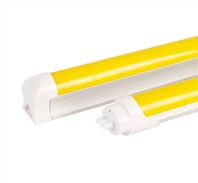
Accent Lighting: This layer adds depth and dimension. Spotlights can be used to highlight artwork or architectural features, while LED battens or strips placed in coves or under shelves can "wash" walls with light, further reducing contrasts.
Practical Implementation: In a living room, for instance, instead of a single bright overhead light, combine floor lamps in dark corners, a table lamp on a sideboard, and subtle cove lighting. This ensemble increases the overall ambient light level without creating a single glaring point. The result is a space that feels naturally lit, where the light is sufficient for movement and general tasks, yet soft enough to prevent squinting or discomfort. This approach is far superior to relying on a single super-bright bulb, which often does more harm than good.

2. Deploy Targeted Task Lighting
While ambient light sets the foundation, many activities require a concentrated pool of brighter light. Inadequate lighting for focused work is one of the most direct pathways to eye strain. When you read, write, sew, or work on a computer in dim conditions, the eye's ciliary muscles must work overtime to focus, leading to fatigue and the uncomfortable symptoms associated with eye strain.
The Role of Task Lighting: Task lighting is a dedicated, localized light source designed specifically to illuminate a small area where precise visual activities occur. Its primary purpose is to deliver a high-quality, directed beam of light exactly where it is needed, without causing glare or shadows on the task itself. By providing ample illumination directly onto your work, it eliminates the need for your eyes to struggle, thereby preserving energy and reducing strain.
Strategic Application in Different Spaces:
The Home Office/Study: A high-quality desk lamp is non-negotiable. The ideal desk lamp is adjustable, allowing you to position the light beam away from your eyes and directly onto your documents or keyboard. Look for models with a shade that directs light downward and features that minimize glare. For a child's room, a good desk lamp is essential for reading and writing homework, fostering healthy habits from a young age.
The Kitchen: Under-cabinet lighting is a form of task lighting that works wonders. When chopping vegetables or reading recipes, your body casts a shadow over the countertop if the only light is from the ceiling. LED strips or puck lights installed beneath the cabinets illuminate the workspace perfectly, ensuring safety and visual comfort.
The Reading Nook: A sturdy floor lamp with an adjustable arm and a downward-facing shade is perfect for illuminating a favorite armchair without casting light onto a screen or into the reader's eyes.
The Workshop or Hobby Area: For detailed work like model-building or sewing, a flexible-arm task lamp that can be positioned with precision is invaluable, providing a clear, shadow-free view of the finest details.
The key principle with task lighting is to ensure the light is significantly brighter than the surrounding ambient light, but not so bright as to create a glaring hotspot. The lamp itself should never be in your direct line of sight.


3. Master the Synergy of Ambient and Corrective Lighting
For the modern individual, the greatest source of eye strain is the pervasive glow of screens. A smart, synergistic approach that combines general ambient light with specific corrective measures is the most effective defense.
The Ambient Foundation: Warm and Gentle Illumination
As discussed, a well-executed ambient light layer is the first line of defense. In this context, the color temperature of the light becomes crucial. Measured in Kelvins (K), color temperature describes the hue of the light.
Cool white/blue-rich light (5000K-6500K) mimics midday sun and can be energizing but is also more likely to cause glare and strain, especially in the evening.
Warm white light (2700K-3000K) resembles the cozy glow of sunrise or sunset. This gentle, warm light is ideal for ambient room lighting as it creates a relaxed and comfortable atmosphere, reducing the stress on your eyes, particularly during nighttime hours.
Using ambient lights like wall sconces, floor lamps with warm-toned bulbs, or dimmable ceiling fixtures creates a soothing base level of light that prevents the room from being dominated by the stark brightness of your screens.
The Corrective Layer: Balancing Screen Glare
This is the strategic masterstroke for the digital age. The most significant visual conflict occurs between a bright screen and a dark room. To resolve this, you need to raise the ambient light level around the screen to minimize the contrast.
Bias Lighting: One of the most effective corrective techniques is to install bias lighting behind your computer monitor or television screen. This involves placing a small, low-luminance light source, typically an LED strip, on the back of the screen. This light washes the wall behind the screen with a soft glow.
Why It Works Wonders: This technique dramatically reduces the perceived contrast between the blazing screen and the dark background. This "halo" effect makes the screen appear softer and less aggressive to your eyes, minimizing discomfort glare and making prolonged viewing sessions much more tolerable. It also enhances the perceived contrast and color depth of the screen itself, improving the viewing experience.
By combining warm, gentle ambient light throughout the room with targeted corrective bias lighting behind your screens, you create a holistic environment where your eyes are no longer forced to battle extreme differences in brightness.
Conclusion: A Call for Conscious Illumination
In an era defined by screens, prioritizing visual comfort is no longer a luxury but a necessity for productivity and well-being. Proper lighting is a powerful, yet often overlooked, form of self-care. It goes beyond mere functionality; comfortable lighting facilitates complex tasks, reveals subtle differences in colors, reduces fatigue, and, most importantly, acts as a steadfast guardian against the pervasive threat of eye strain.
It is time to move beyond simply seeing and start seeing comfortably. Begin an audit of your home and workspace today. Assess where shadows fall, identify sources of glare, and notice where your eyes feel tired. Then, make the change. Invest in lighting solutions designed with ocular health in mind, such as those offered by Benwei. With a focus on soothing, well-designed, and technologically advanced products-from warm ambient fixtures and precise task lamps to specialized bias lighting kits-Benwei provides the tools you need to construct an illuminated environment that cares for your eyes, allowing you to work, create, and relax in visual harmony.