Recognizing the Value of Selecting the Correct Type of Bulb
Any space's atmosphere, usability, and energy efficiency are greatly influenced by its lighting. The type of bulb chosen can have a significant impact on the overall lighting experience, whether it is in a commercial workplace, a private living room, or an outdoor route. Selecting the appropriate bulb type requires taking into account a number of criteria, including color temperature, energy consumption, lifespan, and fixture compatibility, in addition to brightness.
The market now offers a large variety of bulb types, each suited to a particular requirement, thanks to the quick improvements in lighting technology. Knowing the features of each type of light bulb-from conventional incandescent to contemporary LED and smart-is crucial to choosing one that strikes a balance between price, performance, and aesthetics.
Color temperature, which is expressed in Kelvin (K), is among the most important variables to take into account. The light emitted will appear warm, neutral, or chilly depending on this measurement. In contrast, bulbs with a higher Kelvin rating (5000K and above) generate a cooler, more energetic light that is frequently favored in business areas, while bulbs with a lower Kelvin rating (around 2700K) produce a warm, comforting light perfect for residential spaces. Choosing the right color temperature for each particular space is essential since it has a significant impact on both productivity and mood.
Additionally, in today's environmentally conscious world, energy usage is a crucial factor. For instance, energy-efficient LED bulbs can use up to 80% less energy than conventional incandescent bulbs while producing the same amount of light. This helps to lessen carbon emissions in addition to lowering electricity costs. Additionally, the longevity of bulbs varies greatly; incandescent bulbs may only last roughly 1,000 hours, whereas LEDs can last up to 25,000 hours. Long-term savings and a more environmentally friendly lighting solution selection can result from being aware of these variations.

Important Things to Take Into Account When Choosing Bulbs
Lumen output and brightness
Lumens are the actual unit of light output in modern lighting, but brightness is frequently confused with wattage. The quantity of visible light that a lightbulb emits is measured in lumens. For instance, an LED bulb can deliver the same brightness with a far lower amount of power-typically 8 to 12 watts-than a 60-watt incandescent bulb, which can produce about 800 lumens.
The lumens needed for each location should be taken into account while organizing your lighting project. While kitchens and offices may need stronger lighting, frequently topping 4,000 lumens for best vision, living rooms and bedrooms usually demand softer, moderate lighting, approximately 1,500 to 3,000 lumens.
Temperature, Color, and Mood
Color temperature, which is expressed in Kelvins (K), indicates how warm or cool the light is. Warm, yellowish light produced by lower Kelvin values (2700K to 3000K) is perfect for comfortable, restful spaces like dining rooms and bedrooms. Higher temperatures (5000K to 6500K) produce cool, bluish light that resembles daylight and improves focus, making them ideal for task lighting and commercial settings. Mid-range temperatures (3500K to 4100K) provide neutral white light, ideal for kitchens and offices.
In both home and office environments, selecting the appropriate color temperature is crucial since it can affect mood and productivity.
Lifespan and Energy Efficiency
When choosing a lightbulb, energy efficiency is crucial, particularly in light of growing environmental concerns and rising electricity costs. With up to 80% less energy use and a 15–25 times longer lifespan than incandescent bulbs, LED bulbs are the most efficient on the market. In addition to being more efficient than conventional bulbs, compact fluorescent lamps (CFLs) also contain trace levels of mercury, which should be disposed of carefully.
Energy-efficient bulbs are a wise choice for sustainable lighting projects because they save utility costs and have a less environmental impact.
Adaptability to Controls and Fixtures
Not every bulb is compatible with every dimmer, smart control, or fixture. Verifying that the base type of the bulb (such as E26, GU10, or bi-pin) matches the fixture socket is crucial. Additionally, to prevent flickering or incompatibility problems, make sure the bulb supports dimming or smart home integration if these capabilities are part of your project.
Examining Typical Bulb Types and Their Uses
Burning Light Bulbs
Because of its warm light and superior color rendering, incandescent bulbs have been the standard option for more than a century. They only last for about 1,000 hours on average, and they are quite inefficient, turning most energy into heat instead of light.
Although incandescent bulbs are becoming less popular due to energy rules and the availability of better alternatives, they may still be chosen in environments where energy consumption is less of an issue and warm, natural light is crucial.
Halogen Light Bulbs
Halogen bulbs are a subset of incandescent bulbs that employ halogen gas to marginally extend its lifespan and efficiency. They are frequently utilized in outdoor floodlights, recessed lighting, and track lighting because they provide brilliant, clear light with exceptional color accuracy.
Despite being more energy-efficient than conventional incandescent bulbs, halogens still use more energy than LEDs and CFLs and produce a lot of heat, which could be dangerous in some installations.
CFLs, or compact fluorescent lamps
With a lifespan of up to 10,000 hours and an energy consumption reduction of roughly 70%, CFLs represented a major increase in energy efficiency over incandescent bulbs. Although some early models had a sluggish warm-up time and less pleasing color rendering, they emit a cooler light and come in a variety of color temperatures.
Despite their benefits, CFLs contain mercury, which limits their usage in some locations and necessitates careful disposal. Although LEDs are gradually replacing them, they are still appropriate for ordinary lighting in homes and offices.
LED bulbs, or light-emitting diodes
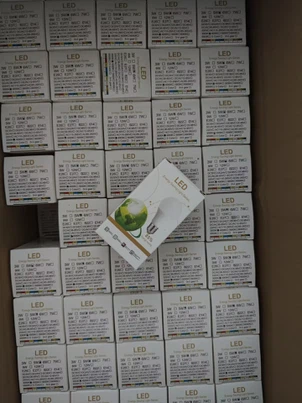
In terms of lighting technology, LED lights are at the forefront. With a lifespan of up to 50,000 hours and an energy consumption of up to 90% less than incandescent bulbs, they provide remarkable energy efficiency. Because of its great versatility, LEDs may be incorporated into smart lighting systems and come in a variety of sizes, shapes, and color temperatures.
They are perfect for practically any application, including commercial, industrial, and residential lighting installations, due to their longevity and low heat production. LEDs are the recommended option for contemporary lighting solutions due to their performance advantages and long-term cost reductions, despite their greater initial cost compared to conventional bulbs.
Intelligent Light Bulbs
Typically, smart bulbs are LED lamps with wireless connectivity that let users adjust schedule, color, and brightness using voice assistants or smartphone apps. They provide unmatched adaptability and personalization, allowing for dynamic lighting scenarios that can improve security, productivity, or mood.
In both home and business settings, smart bulbs are becoming more and more common, particularly when illumination needs to change to accommodate different activities or tastes. When selecting smart lights, take into account the app ecosystem's dependability as well as compatibility with your home automation system.
Choosing the Right Bulb Type for a Certain Lighting Project
Lighting for Homes
Comfort, style, and energy efficiency are frequently the main priorities for residences. Warm white LEDs (2700K to 3000K) create a cozy and tranquil ambiance in dining areas, living rooms, and bedrooms. Neutral to cool whites (3500K to 4100K) improve cleanliness and visibility in bathrooms and kitchens.
Dimmable LEDs or smart bulbs can be used in accent lighting, including table lamps and wall sconces, to customize the mood. To guarantee safety and curb appeal, outdoor residential lighting should utilize weather-resistant LED bulbs with the suitable brightness and color temperature.
Office and Commercial Lighting
Lighting in commercial settings needs to strike a balance between energy efficiency and usability. To encourage alertness and productivity, bright, neutral white LEDs (4000K to 5000K) are recommended. In order to improve comfort and lessen eye strain, uniform illumination with no glare is crucial.
Ambient and accent lighting are frequently used in retail settings, and LEDs with high color rendering index (CRI) values are useful for highlighting products. By modifying illumination according to occupancy and daylight availability, smart lighting controls can maximize energy use.
Landscape and Outdoor Lighting
Long-lasting, weather-resistant, and energy-efficient bulbs are necessary for outdoor illumination. This industry is dominated by LEDs because of its durability and low maintenance requirements. While colder white LEDs can be used for security lighting, warm white LEDs are frequently used to create welcoming patios and walkways.
Solar-powered LED bulbs lower operating costs and wiring requirements, making them an environmentally beneficial choice for lighting gardens and pathways. Make sure the outdoor bulbs you choose have the proper ingress protection (IP) ratings so they can resist dust and rain.
Useful Advice for Choosing and Setting Up Bulbs
Evaluate Your Lighting Requirements Carefully
Prior to buying bulbs, consider the lighting's intended use, the room's dimensions, fixture compatibility, and the atmosphere you want to create. Costly errors can be avoided by taking measurements and recording the specs of the existing fixtures.
Take the Total Cost of Ownership into Account
Although initial expenditures are important, take maintenance costs, energy usage, and bulb lifespan into account. Despite their higher initial costs, LEDs frequently end up being more cost-effective over time since they require less energy and require fewer replacements.
Test Light Bulbs in Real Space
In contrast to actual settings, lighting may appear differently in pictures or showrooms. To make sure the color temperature and brightness are up to par, test the bulbs in the designated area.
Observe safety precautions
To prevent overheating, always verify the maximum wattage rating of fixtures and use bulbs within specified ranges. Make sure the fixtures and bulbs are rated for outdoor use before installing them outside.
Choosing Wisely for Lighting Project Success
A crucial first step in any lighting project is selecting the appropriate bulb type, which affects not only the project's aesthetic appeal but also its cost-effectiveness, energy efficiency, and environmental impact. Project planners can customize lighting solutions to match particular requirements by knowing the traits and uses of different bulb types, including incandescent, halogen, CFL, LED, and smart bulbs.
Taking into account variables like color temperature, brightness, energy usage, and fixture compatibility guarantees that the chosen bulbs improve the atmosphere and functionality of the room. The majority of contemporary projects choose LED and smart lighting technologies because they provide previously unheard-of flexibility and sustainability.
In the end, careful bulb selection helps to create areas that are efficient, comfortable, and well-lit, reflecting both functional needs and aesthetic goals.


https://www.benweilight.com/lighting-tube-bulb/led-bulb-light/e27-led-light-bulbs-9w.html
Our address
No. 5-3 Niujiao Road, Yanchuan Community, Yanluo Street, Bao'an District, Shenzhen
Phone Number
+86 18659785153
bwzm04@ledbenweilighting.com