The Heart of Your Tanning Bed: A Guide to Ballast and Lamp Maintenance
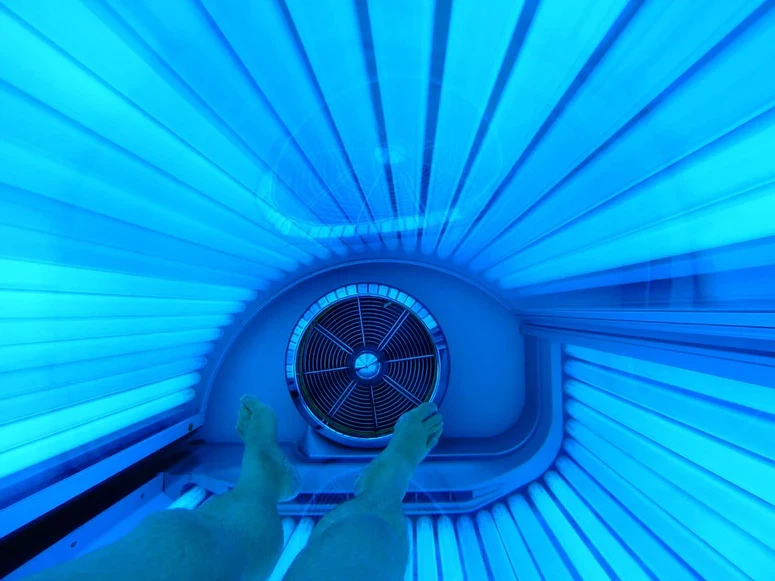
For anyone who has used a tanning bed, you understand that the magic-and the tan-comes from the lamps inside. When those lamps aren't functioning correctly or have diminished performance, achieving that perfect glow becomes impossible. Much of a lamp's performance and lifespan, however, is dictated by a component most users never think about: the ballast. Proper maintenance of both the lamps and the ballast is the key to a consistent, effective, and safe tanning experience.
This guide will walk you through the essential knowledge you need to understand, troubleshoot, and maintain the core electrical components of your tanning bed.
Part 1: Understanding the Ballast – The Unsung Hero
Before you can fix a problem, you need to understand what you're dealing with. The ballast is a crucial, though often overlooked, part of your tanning bed's electrical system.
What is a Ballast and What Does It Do?
At its core, a tanning bed ballast is a current-limiting device. Think of it as the sophisticated traffic controller for electricity flowing to the lamps. Its primary jobs are:
Provide Starting Voltage: It generates the initial high-voltage kick needed to ionize the gas inside the fluorescent lamp and "strike" the arc, initiating the light.
Regulate Current: Once the lamp is on, its electrical resistance drops dramatically. Without a ballast to limit it, the current would soar uncontrollably, destroying the lamp almost instantly. The ballast reduces the current to a safe, steady operating level.
Optimize Performance: By managing the power, the ballast ensures the lamp operates at its designed wattage. For instance, it expertly controls a 100-watt lamp, bringing its power consumption down to a stable operating level of around 65 watts through a combination of inductive reactance and electromagnetic control. This not only protects the lamp but also ensures it produces the correct spectrum and intensity of UV light for tanning.
Part 2: The Two Main Types of Ballasts
While most modern devices use electronic ballasts, it's important to know which type your bed uses, as their characteristics differ.
Magnetic Ballast (or Choke Ballast):
How it Works: This is an older, simpler technology consisting of a coil of wire around an iron core. It limits current through electrical inductance.
Pros: Durable and low-cost.
Cons: Heavier, can produce an audible hum, and causes a more noticeable flicker (100/120 Hz). They are less energy-efficient and can cause lamps to dim over time.
Electronic Ballast:
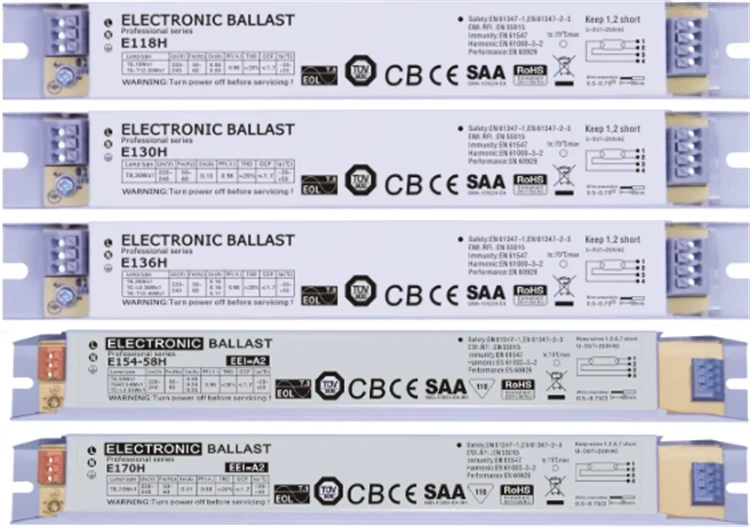
How it Works: This is a more advanced, solid-state device that uses electronic components to regulate current at a very high frequency (typically 20,000 Hz or more).
Pros: Far more energy-efficient, lighter, and virtually silent. They eliminate visible flicker, provide a steadier light output, and can extend lamp life. This stable current is key to producing uniform and appropriately bright light.
The Key Difference: An electronic ballast provides a superior, smoother, and more efficient performance compared to the more rudimentary magnetic ballast.
Part 3: Troubleshooting Common Problems
When your tanning bed isn't performing as it should, the issue typically lies with either the lamps or the ballast.
Symptom: Lamps are dim or won't turn on.
Step 1: Diagnose the Lamps.
The most common point of failure is the lamp itself. While a completely dead lamp is easy to spot, a failing one can exhibit symptoms like flickering or dimming, as its ability to hold a charge diminishes.
The Test: Perform a "lamp swap." Replace the suspect lamp with a brand new, known-working lamp of the same type. This is the most straightforward way to isolate the problem.
The Result:
If the new lamp works perfectly: The old lamp was faulty. Simply replace it and any other lamps that are near the end of their life (it's often best to replace them in sets for even tanning).
If the new lamp also fails to light, or is dim: The problem is almost certainly not the lamp. You must look deeper into the system.
Step 2: Diagnose the Ballast.
If you've installed a new, functional lamp and it still won't light, it's time to investigate the ballast.
The Process of Elimination:
Safety First! Unplug the tanning bed from the wall outlet.
Visual Inspection: Carefully examine the wiring and the lamp sockets. Look for any signs of burning, melting, discoloration, or loose connections. Damaged sockets can prevent proper contact with the lamp's pins.
If the wiring and sockets look good, the ballast itself is the prime suspect.
A faulty ballast can manifest in several ways: it may not provide the starting voltage (lamps won't light at all), it may not regulate current properly (lamps flicker violently or appear dim), or it may overheat and emit a burning smell.

Part 4: Replacement and Proactive Maintenance
Replacing a Ballast:
While it requires some technical comfort, replacing a ballast is generally a straightforward and cost-effective task compared to the cost of a new machine or more extensive repairs.
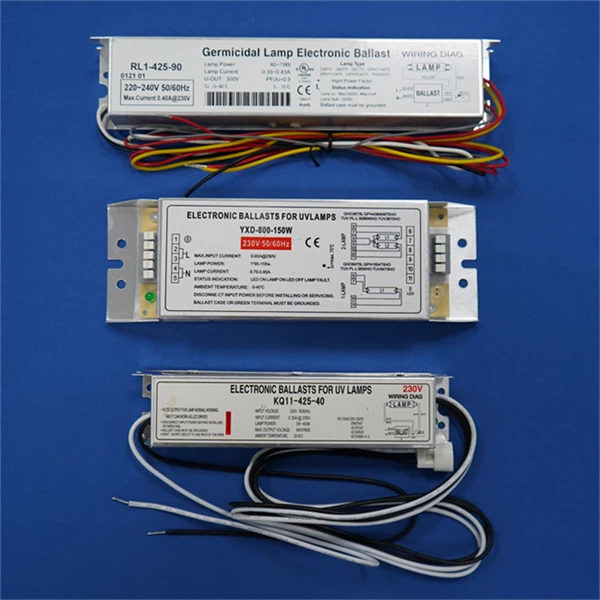
Purchase the Correct Replacement: Ballasts are not universal. You must match the exact model number or specifications (wattage, voltage, lamp type) of your old ballast. Consult your tanning bed's manual or a reputable supplier.
Document the Wiring: Before disconnecting anything, take a clear photo of how the old ballast is wired. Better yet, label each wire with tape.
Install the New Ballast: Connect the wires to the new ballast exactly as they were on the old one. Secure the new ballast in place.
Test: Once everything is securely reconnected, plug the bed back in and test it with a known-good lamp.
The Best Strategy: Proactive Care
The most cost-effective maintenance is preventative. Addressing a ballast issue at the first sign of trouble can save you from more significant damage down the line. The longer a faulty component operates, the greater the risk it poses to other parts of the machine, such as the starter (if applicable) or even the lamp sockets.
Conclusion
Your tanning bed is an investment, and its performance hinges on the symbiotic relationship between its lamps and ballast. By understanding the role of the ballast, knowing how to diagnose common problems through simple lamp swaps and visual inspections, and taking proactive steps, you can ensure your tanning bed delivers a perfect, consistent tan for years to come. Don't let a minor, inexpensive component like a ballast lead to major downtime or repair bills.