Ultimate Guide to Lighting Up Your Living Room
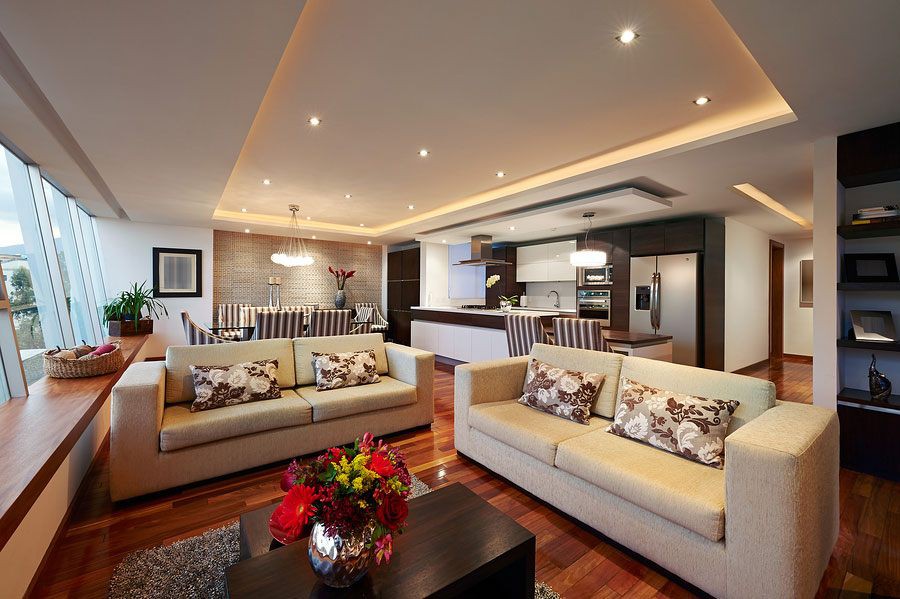
The majority of rooms are created for various duties and hobbies. Dining rooms are used for eating, kitchens are used for cooking, and bathrooms are used for bathing. Bedrooms are mostly used for sleeping or resting. On the other side, a variety of activities take place in the living room, including hosting visitors, binge-watching films, reading books, sleeping, and relaxing. This is why carefully and thoughtfully choosing the lighting for the living room is necessary. Let's talk about lighting your living space so that you may live comfortably and aesthetically. When planning the lighting for your living room, there are two things you may start by asking yourself.
Which region of your living room requires lighting?
You may break down the function of your living room and then organise it into useful zones by asking yourself this question. In your living room, will you be reading your favourite book? Will you do it on the large sofa or in a different location, like the cosy recliner by your TV? A gaming night with your buddies seems like fun. Will there be sufficient illumination for you and your guests to play the game and be able to read the letters on the game board?
You may select which specific regions of your space need illumination by being aware of the activities that might occur there.
Is a bright general lighting sufficient?
Do you still require a bright and concentrated light, or will you be content with a bright general illumination that illuminates the entire space and allows you to do all tasks? You should also decide how many locations in your functioning area will need extra illumination.
Having gained knowledge from the earlier inquiries, let's now pick what specific lighting you ought to utilise in your living room.
Multiple Lighting Layers
Effort Lighting
Consider the two questions above and the corresponding answers to come up with the suitable lighting for your living space. Task lighting is likely required if you plan on doing any reading or writing in your living area.
Task lighting, as the name suggests, essentially illuminates a space where you do particular duties. Due to the multipurpose character of living rooms, this layer of light is widely employed in those spaces. Given that they offer direct lighting, track lights are a highly recommended form of task lighting. You might be able to direct the light towards various regions that need lighting with track lights that have at least two track heads. It's like killing two birds with one stone.
You could avoid track lighting if your home design motif is anything but current.
On the other side, you may also utilise pendant lights for a finer and more modern appearance. It nevertheless does the task and makes your place look more elegant.
You should be aware that a television in your living room emits light of its own. Therefore, be careful that your illumination doesn't interfere with this and create glare that can obstruct your favourite programme or, worse, injure your eyes. As a general rule, keep task lights from shining directly on your screen.
Addition Lighting
Focusing on accent lighting is now necessary once the major tasks have been well handled. This layer of illumination draws attention to architectural details, including those in the living room and certain exhibits. A useful source of accent lighting is recessed lighting. This may showcase your property and give it an elegant vibe, especially if you have a high ceiling. The ideal environment to create the proper atmosphere.
Wall Grazers are a great option for accent lighting, especially in living spaces with their frequent availability of accent walls. In essence, this adds drama and a "wow factor" to your living area, especially for guests.
Accent lighting may help you exhibit valued belongings in your living area by emphasising them more effectively. The back of glass cabinets might simply be illuminated with strip lights or t5 lights to compliment them.
Background Lighting
Your living area is already well-lit since you've sorted out accent lighting and task lighting. However, something will undoubtedly be missing, especially if your living space is huge. What's missing is ambient or general illumination. General lighting is the primary source of light in your space, as the name suggests. When arranging the lighting for their living room, some people start with this layer of light. This is indeed the accepted practise, thus it is not incorrect. However, we gave task lighting and accent lighting top priority since, more often than not, homeowners would choose for ambient lighting after they notice that their living room is fully illuminated and won't consider other lighting layers.
The standard choice for ambient lighting in the living room is a large centre piece, such as a chandelier or hanging lamp.
There are several designs and forms available. In addition to producing light, ambient lighting also enhances the appearance of your space just by being a beautiful fixture. However, it's crucial to check that the chandelier or hanging light you select will go with the design scheme of your living area.
The first area of your house that guests will notice is your living room. This is why it's crucial to prioritise it while creating your home's design. Of course, one should not take its lights for granted either. To light up your living room and make your ideal house a reality, use this instructions.