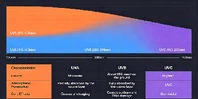
According to a research, hospitals are using ultraviolet light C, often known as UVC, to reduce the spread of superbugs like MRSA that remain in patient rooms and result in new infections. As a consequence, several hospitals now use a number of UVC devices.
Hard to Treat Bugs
According to the extensive research, which was published in The Lancet, equipment that produce UV light may reduce the spread of four main superbugs by a total of 30%. The conclusion only applies to patients who spend the night in a room that has previously treated a patient who had a known positive culture or infection of a drug-resistant pathogen.
According to Dr. Deverick J. Anderson, MD, an infectious disease specialist at Duke and the study's lead investigator, "Some of these germs can live in the environment for so long that even after a patient with the organism has left the room and it has been cleaned, the next patient in the room could potentially be exposed." "These bugs are difficult to cure, and infections from one of them may be very crippling for a patient."
The study concentrated on Methicillin-resistant Staphylococcus aureus (MRSA), Vancomycin-Resistant Enterococci (VRE), Clostridium difficile, and Acinetobacter, which Anderson referred to as "the top four terrible germs we'll find in hospitals." "Patients who get infections from these organisms often need extensive care, have lengthy hospital stays, and generally experience a significant disruption in their life."
Enhanced Disinfection Decreases the Spread of Germs
Throughout the research, rooms occupied by patients carrying the target bacteria were cleaned using a portable device called the Tru-D SmartUVC. For around 30 minutes, the gadget emits UVC light into the vacant space. Between cabinets and fixtures, as well as into difficult-to-reach places like open drawers, the light reflects and bounces. Bacteria are killed by the light waves damaging their DNA.
In the study, quaternary ammonium-based standard disinfection was contrasted with three additional cleaning techniques: UV light was used after quaternary ammonium disinfection, while bleach and UV light was used in place of quaternary ammonium. The use of UV light and quaternary ammonium was the most successful tactic. MRSA transmission was significantly reduced by this combination.
The researchers discovered that switching from quaternary ammonium to chlorine bleach reduced the spread of VRE by more than half. Even more successful, adding UV light to the bleach routine reduced VRE transmission by 64%.
"Enhanced disinfection," as it is often referred as, may effectively lower the likelihood of germs spreading throughout the environment, according to Anderson.
According to Anderson, hospitals must be strategic to allow for additional cleaning time while taking into account varying release periods, the demand for patient rooms, and the availability of the machinery. The hospitals included in the research were nevertheless able to disinfect 90% of the targeted rooms using the precise trial procedure despite these daily-changing circumstances.
Additional Strategies Reduce Infection
UVC light is just one of numerous methods hospitals can add to standard disinfection regimens to continue to cut infection rates for all pathogens, including drug-resistant organisms, Anderson said. Strategies such as stringent hand-washing, precautions for staff contact with infected patients and prudent use of antibiotics in patients also play a role, Anderson said.
The Duke researchers are planning to look at other day-to-day strategies hospitals can use to manage infections, such as non-ultraviolet lights that are safe to use near people but also can halt the proliferation of germs.
During the COVID-19 response, Duke continues to routinely use adjunctive UVC light for all isolation discharge cleaning and as an adjunctive measure to assist with “deep cleans” or workrooms, breakrooms, and common spaces.

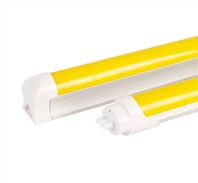
Benwei UV 120cm led tube black light Product Specification:
|
Item |
UV led light tube bulb T8 |
|
Input Volt |
AC85-265V |
|
Power |
10W,18W,24W |
|
Length |
60cm/2ft, 120cm/4ft, 150cm/5ft |
|
Bean Angle |
120°, 180° |
|
Lifespan |
50000 hrs |
|
Wavelength |
365nm 395nm 254nm 280nm |
|
Warranty |
3-5 years |