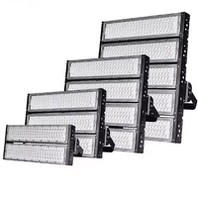
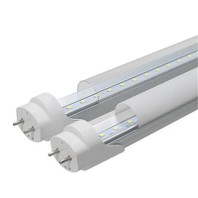
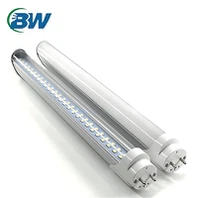
As the world continues to focus on energy efficiency and conservation, LED lamps and energy-saving lamps have become increasingly popular choices for lighting. However, one issue that arises when switching to these types of lighting is the wattage conversion from traditional incandescent bulbs.
LED and energy-saving lamps use less power than incandescent bulbs, which means that their wattage is typically lower. This can cause confusion for consumers when trying to determine the equivalent wattage for these newer options.
Fortunately, there are some general guidelines that can help with wattage conversion. As a rule of thumb, a 60-watt incandescent bulb can be roughly replaced by a 9-13 watt LED bulb or a 13-18 watt energy-saving bulb. Similarly, a 100-watt incandescent bulb can be replaced by a 16-20 watt LED bulb or a 23-30 watt energy-saving bulb.
It’s important to note that these are rough estimates and the actual wattage required may vary depending on the specific model and brand. It’s also important to consider the lumens (brightness) of the bulb, rather than just the wattage. An LED or energy-saving bulb with a lower wattage may still emit the same amount of light as a higher-wattage incandescent bulb if it has a higher lumens rating.
Another factor to consider is the color temperature of the bulb. LED and energy-saving lamps often come in different color temperatures, which can affect the ambiance of the room and the color accuracy of objects. A 2700K bulb, for example, will emit a warm, yellowish light that is similar to incandescent bulbs, while a 5000K bulb will emit a cool, bluish light that is similar to daylight.
Ultimately, when considering wattage conversion for LED lamps and energy-saving lamps, it’s important to do some research and compare options before making a purchase. Pay attention to the brightness and color temperature of the bulb, as well as the wattage, in order to find the best option for your needs. By making the switch to more energy-efficient lighting, you can save money on your energy bill while also reducing your carbon footprint.