Light Emitting Diode is referred to as LED. LED lights are a kind of lighting that generates light from electricity using semiconductors. LED lights use the flow of electrons in a semiconductor material to emit light, as opposed to conventional incandescent or fluorescent bulbs, which depend on a filament or gas to do so.
LED lights are renowned for their extended lifespan, resilience, and energy efficiency. They are a popular option for both home and business lighting because they use a lot less energy than conventional bulbs. LED lights are also long-lasting and robust; they frequently outlast incandescent bulbs by up to 25 times.
LED lights are a popular option for both functional and ornamental lighting because they come in a variety of colors and color temperatures. LEDs, which stand for "Light Emitting Diode," are a sort of lighting technology that employs semiconductors to transform electrical energy into visible light. They are frequently used in a range of applications, such as home and workplace lighting. LED lights use a method known as electroluminescence to produce light, as opposed to conventional incandescent bulbs, which do so by heating a filament.
One kind of illumination that makes use of LED technology is LED lights. Among their many attributes and advantages are:
They can be utilized in any space that requires lighting, such as the bathroom, kitchen, or dashboard of your vehicle.
Because they use less electricity when they are turned on, they are energy efficient, which will lower your monthly expenses and contribute to a reduction in CO2 emissions.
LED Lights: What Do They Do?
Light Emitting Diodes, or LED lights, are a kind of lighting technology that emits light when an electrical current flows through a semiconductor. Compared to conventional incandescent light bulbs, LED lights are significantly more energy-efficient and have a longer lifespan.
Applications for LED lights are numerous and include:
Lighting in the home: Due to its longer lifespan and lower energy consumption than conventional bulbs, LED light bulbs are becoming more and more common in houses.
Automotive lighting: Due to their energy economy and brightness, LED lights are frequently found in automobiles and other vehicles.
Street lighting: Since LED lights consume less energy than conventional streetlights and produce strong, long-lasting light, they are frequently utilized for streetlights.
Display lighting: Because LED lights produce brilliant, energy-efficient light that can be precisely directed where needed, they are frequently used for display lighting in retail establishments, museums, and other locations.
All things considered, LED lights offer durable, energy-efficient lighting options for a variety of uses.
How Are LED Lights Operational?
An electrical current is passed via a semiconductor material, usually indium gallium nitride, gallium arsenide, or gallium phosphide, to power LED lights. Electrons in the semiconductor material release energy as photons, or light particles, when current flows across them. We call this process electroluminescence.
A thin layer of a substance known as the depletion area separates the p-type and n-type semiconductors that make up an LED's structure. Electrons move from the n-type region to the p-type region when a voltage is applied across the p-n junction, releasing energy in the form of photons in the process. The semiconductor's composition and the current flowing through it determine the hue of the light that is released.
Compared to conventional incandescent bulbs, which emit light in all directions, LEDs are more efficient because they can be made to emit light in a specified direction. Additionally, by utilizing various semiconductor materials, LEDs may be made to emit a variety of colors. Because of this, they can be used in a wide range of settings, including electronic displays and home illumination.
Is It Possible to Use LEDs to Replace Any Light?
As long as the LED bulb you select is suitable with the fixture and the electrical circuit voltage, you can generally swap out most conventional bulbs for LED ones. An LED bulb might not be able to replace a conventional bulb in some circumstances, though.
For instance, it could be challenging to get an LED bulb that fits correctly in fixtures that need for bulbs of a particular size or form. Furthermore, not every type of LED bulb will work with every fixture, such as some dimmer switches. In these situations, it's critical to conduct some research or speak with a lighting expert to find out which LED bulbs are compatible with your particular fixture.
It's also important to remember that certain applications might call for particular kinds of LED lights. For instance, LED lights used in automotive applications might need to adhere to specific safety regulations, while LED lights intended for outdoor use might need to be weather-resistant. To guarantee optimum performance and safety, it is crucial to select the appropriate kind of LED light for your particular application.
When selecting LED lights, what factors should be taken into account?
To make sure you get the best kind of LED light for your requirements, there are a number of aspects to take into account. Here are a few important things to remember:
Brightness: An LED light's brightness is expressed in lumens. The brightness level of the LED light you select should be suitable for the purpose for which it is designed. For instance, job lighting or a workspace may require a brighter LED light, but a living room or bedroom may benefit more from a dimmer LED light.
Color temperature: The color temperatures of LED lights vary and are expressed in Kelvin (K). The color temperature has an impact on the color of the light that the LED emits; warmer, more yellow light is produced by lower Kelvin values, while cooler, more blue light is produced by higher Kelvin values. Think about the desired color temperature for the intended use.
Energy efficiency: LED lights use less energy than conventional incandescent bulbs, though the efficiency of individual LED lights may vary. To guarantee optimal efficiency, look for LED lights with a high lumen-to-watt ratio.
Dimming capability: Select LED light bulbs that work with dimmer switches if you want to be able to change the brightness of your LED lights.
Compatibility: LED lights may differ from the bulbs you are accustomed to in terms of size, shape, and base. Make sure you're obtaining the correct size and shape for your fixture by looking at the box.
Warranty and lifespan: To be sure you're getting a dependable, long-lasting product, find out the warranty and anticipated lifespan of the LED lights you're thinking about purchasing.
Ultimately, your unique requirements and tastes will determine which LED lights are best for you. You may select LED lights that are both energy-efficient and appropriate for your intended application by taking into account the above mentioned aspects.
Do LED lights have a high cost?
A number of variables, including product quality, brand, and LED light type, can affect the price of LED lights. However, when compared to more conventional lighting solutions like fluorescent and incandescent bulbs, LED lights are generally not thought to be expensive.
LED lights may initially cost a little more than alternative lighting options, but over time, their extended lifespan and energy savings can result in significant cost savings. Electricity bills can be reduced since LED lights are incredibly energy-efficient, using up to 80% less energy than conventional bulbs. Furthermore, because LED lights last longer, they require fewer replacements, which lowers maintenance expenses.
All things considered, LED lighting can be an affordable option for both commercial and residential settings. Over time, the energy and maintenance savings may balance out the slightly higher initial cost.
Are LED Lights Energy-Saving?
Indeed, when compared to more conventional lighting solutions like fluorescent and incandescent bulbs, LED lights are incredibly energy-efficient and can save a substantial amount of electricity.
For the same amount of light, LED lights can consume up to 80% less energy than conventional bulbs. This is due to the fact that a greater proportion of the energy they utilize is transformed into light as opposed to heat, which is energy waste. Additionally, LED lights use less electricity to turn on, which lowers energy usage even more.
Additionally, LED lights last longer than conventional lighting solutions. As a result, they require fewer replacements, which lowers the energy used in the production, shipping, and disposal of light bulbs.
With substantial energy savings and reduced electricity costs, LED lights are a great choice for energy-efficient lighting. Making the switch to LED lighting is an easy and efficient method to cut down on energy use and your environmental effect.
What are the colors of LED lights?
A variety of colors are available for LED lights, including:
Warm white: This color has a yellowish tone and resembles conventional incandescent bulbs.
Cool white: This color has a bluish tone and is brighter than warm white.
Daylight: This color has a neutral tone and resembles natural daylight.
Red: Because of its boldness and vibrancy, this color works well for decorative or accent lighting.
Green: This color is frequently used for ornamentation, particularly around the holidays.
Blue is a strong and bold color that is frequently used for decorative or accent lighting.
Yellow: Frequently employed for decorative purposes, this color has a warm, golden tone.
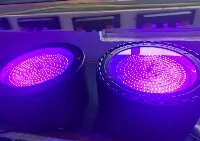
Purple: This colour is deep and rich and is often used for decorative purposes.
RGB: RGB LED lights can produce a wide range of colours by combining red, green, and blue light.
LED lights can also be dimmable, which allows you to adjust the brightness and intensity of the light to your preference.
What are the Types of LED Lights?
LED lights come in various types and designs to suit different lighting needs. Here are some common types of LED lights and their uses:
LED Bulbs: LED bulbs are the most common type of LED lights and are used to replace traditional incandescent or CFL bulbs. They come in different shapes and sizes, including A19, A21, PAR, BR, and MR, and are used for indoor and outdoor lighting.
LED Strips: LED strips are flexible strips of small LED lights that can be cut to different lengths. They are used for accent lighting, under-cabinet lighting, and cove lighting.
LED Panels: LED panels are flat, thin, and provide uniform light distribution. They are used for commercial and residential indoor lighting, including offices, schools, and homes.
LED Spotlights: LED spotlights are directional lights that produce a narrow beam of light. They are used for highlighting artwork, architectural features, or landscape elements.
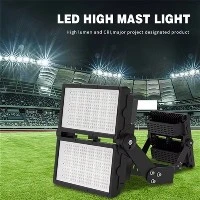
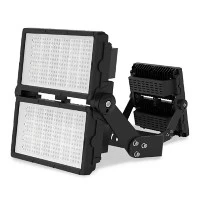
LED Floodlights: LED floodlights provide broad, bright light coverage and are used for outdoor security lighting, sports fields, and landscape lighting.
LED High Bays: LED high bays are powerful lights used for high ceilings in commercial and industrial settings, such as warehouses and factories.
LED Downlights: LED downlights are recessed lights used for general lighting in residential and commercial settings. They are used for ambient lighting in living spaces, kitchens, and offices.
LED Track Lights: LED track lights are adjustable lights mounted on a track system. They are used for accent lighting in retail stores, museums, and galleries.
LED Urban Lights: LED urban lights are streetlights that provide efficient and long-lasting lighting for urban areas. They come in different designs, including post-top, pendant, and wall-mounted lights.
LED Chandeliers/Ceiling Lights: LED chandeliers and ceiling lights are decorative lighting fixtures that provide ambient lighting and enhance the aesthetic appeal of a space. They are available in a variety of styles, including modern, contemporary, and traditional, and are commonly used in homes, hotels, and commercial spaces. LED chandeliers and ceiling lights are energy-efficient, long-lasting, and come in a range of colors and dimming options, making them ideal for creating different moods and atmospheres. They can also be used as a focal point in a room and complement other lighting fixtures in the space.
The type of LED light you choose will depend on the lighting application, the desired lighting effect, and the energy efficiency you want to achieve.
Do I Need a Power Supply for LED Lights or Can They Operate Directly on Mains Power?
LED lights require a specific voltage, typically a low-voltage direct current (DC), to function optimally. Mains power supplies, however, typically deliver a higher voltage alternating current (AC). Directly connecting LEDs to mains power without the appropriate equipment can result in excessive current flowing through the LED, leading to overheating and ultimately damaging the LED.
This is where an LED driver comes into play. An LED driver is a type of power supply that transforms the mains voltage to the lower, direct current voltage that an LED light needs. The driver also helps maintain a constant current, ensuring the LED operates efficiently and has a longer lifespan.
So, in summary, while LED lights cannot typically operate directly from a mains power supply, with the correct LED driver acting as a power supply and controller, they can safely and efficiently illuminate your spaces.