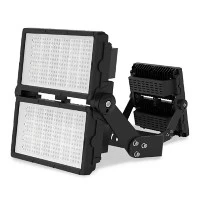
Like the most of homeowners, you're undoubtedly constantly searching for methods to reduce your energy costs. Making the switch to LED lighting is a fantastic method to achieve that. LEDs last a lot longer and consume a lot less energy than conventional incandescent light bulbs. But it's crucial to weigh the benefits and drawbacks before making a hasty purchase of LEDs. Here are two possible disadvantages of LED lighting in addition to its five main advantages.
Benefits of LED lighting
1) LEDs are dependable and long-lasting
When compared to alternative lighting sources, LEDs have unmatched endurance and dependability. They are still significant in a society moving toward greener energy sources because of their low energy consumption and extraordinarily extended lifespan of up to 50,000 hours or more. Because of their straightforward electronic construction, LEDs are dependable and nearly impervious to vibrations or mechanical impact. They can also withstand extremely high or low temperatures without experiencing any problems. Furthermore, unlike tubes and the majority of conventional bulbs, they do not have a time restriction because they do not have a filament that can burn out.
Additionally, LEDs use a lot less electricity than conventional light bulbs and other types of illumination, which lowers maintenance costs and strengthens their reputation for reliability. In addition to its dependability, LED technology's adaptability creates the possibility of various hues and uses in various contexts. Businesses can invest in electrical fittings with better peace of mind when using LEDs because they lower the cost of repairs required by conventional lighting.
2) LEDs use less energy.
Light-emitting diodes, or LEDs, are a fantastic method to save energy and have grown in popularity recently because of their low power usage. Over the course of its lifetime, LED lighting technology can save an average of £150 because it is 80% more efficient than conventional incandescent light bulbs. In addition to their 50,000-hour lifespan, LED lights are incredibly durable, so you won't need to replace them for a very long time.
Additionally, compared to traditional types of lighting, LEDs produce extremely little heat, which lowers cooling expenses. It is simple to understand why LEDs have become such a popular option for energy conservation given their great energy efficiency and capacity to lower lighting costs as well as their overall environmental impact.
3) LEDs can function in cold environments.
Because of their increased lifespan and energy efficiency, LEDs are growing in popularity. The fact that LEDs can function in cold temperatures makes them perfect for tough settings and is one of their main advantages. They can withstand temperatures as low as -40°C without seeing a noticeable drop in efficiency, and unlike conventional bulbs, they don't need to warm up before functioning correctly. They are therefore excellent options for projects requiring lighting in outdoor or refrigerated spaces.
Another benefit for those who intend to use LED lamps for extended periods of time in particular settings is that they produce significantly less heat than incandescent bulbs, making them acceptable for use in small areas. Since LEDs offer so many benefits in cold climates, it is simple to see why companies and customers are using these dependable and effective solutions.
4) LEDs don't emit much UV or heat.
LED lightbulbs are steadily gaining popularity, and for good reason. In addition to using significantly less energy than conventional incandescent lights, these bulbs emit a brighter, more natural light. LEDs have the advantage of producing relatively little heat or UV radiation, which can be hazardous to some materials and people. In places like art galleries or museums where sensitivity to ultraviolet radiation would be a concern, this means that LED bulbs never grow too hot, lowering the risk of fires or burns and doing away with the requirement for UV-filtered lamps. Due to its extended lifespan, low power consumption, and extra health benefits resulting from the absence of heat or hazardous radiation, LEDs are rapidly rising to the top of the lighting market.
5) LEDs are customizable with various hues.
Because they use less energy, light-emitting diodes, or LEDs, are a very adaptable light that is becoming more and more common in many homes and companies. LEDs may be customized with various colors to get the desired aesthetic effect, which is a little-known feature. The variety of LED colors that are currently accessible has allowed imaginative designers to create settings that were before unthinkable.
LEDs can now meet any need, whether it's a supermarket setting looking to highlight specific products, create a cozy, pleasant atmosphere, or just make a statement. It is understandable why LEDs are growing in popularity; their versatility in terms of color combinations allows them to be used in any setting and offer more alternatives than ever before!
The disadvantages of LED illumination
1) LEDs may initially cost more.
It may seem strange that LEDs could initially cost more than conventional incandescent lights while lighting shopping. When choosing the type of light to purchase, there are a number of additional considerations to make. LED bulbs may cost more to buy initially, but they will save you money on power bills over time because they require 80% less energy to provide the same brightness.
2) LEDs frequently use less power.
The fact that LED lighting technology frequently has lesser wattage, which lessens its effectiveness, is one of its disadvantages. LEDs are more energy-efficient than other lighting options, but they don't produce as much light and might not be the best option for some applications. Although they can increase light output, solutions like fixtures with numerous diodes or specialized sources are more expensive and therefore less suitable for areas where money is tight.
What LED lights should have
Not watts, but lumens
The lumen rating, not the power, should be your first consideration when purchasing LED lights. A light bulb's wattage rating indicates how much energy it consumes, not how bright it is. A brighter light is indicated by a greater lumen rating since lumens are a measure of brightness. For instance, a 60-watt incandescent light bulb is about equal to an LED light with an 800 lumen rating.
Color temperature is a crucial consideration when purchasing LED lights. Color temperature indicates how "warm" or "cool" a light appears and is expressed in Kelvin. Cool light has a color temperature of 4000K or more, while warm light has a lower color temperature of about 2700K.
For instance, if you're searching for LED lights for your bedroom or living room, you might want to go with a warm light with a lower color temperature to make the space feel cozy and welcoming. To make the space feel light and airy, you might want to go for a cool light with a greater color temperature if you're shopping for LED lights for your bathroom or kitchen.
The Color Rendering Index, or CRI for short, measures how well a light bulb renders colors. Colors will look more realistic and brilliant under that lighting if the CRI is greater. For instance, compared to an LED light with a CRI of 70, one with a CRI of 80 will make blues appear more natural and reds more bright. Look for LED lights with a CRI of 80 or above when you're shopping. Your house will look its finest with these lights.
In conclusion
One of the best things that has happened to the world and its people in a long time is LED lighting. We can all contribute to making the changeover to LED bulbs as quickly as possible, and the advantages are numerous and diverse. Together, let's bring about this change for everyone's benefit! Have you switched to LED light bulbs yet? If not, what's preventing you?
One of the biggest providers of LED lighting to both commercial and residential clients in the UK is Falcon Electrical. Enjoy quick delivery right to your home when you purchase our entire selection of LED lighting now.