The majority of people would be erroneous to believe that counterfeiting is a serious issue. Every year, the United States alone sees the circulation of fake money totaling over $40 million. Despite making up just around 1% of all currency in circulation, counterfeit money is a serious danger to both small and large enterprises as well as trade.
Many victims lose money that is irreplaceable, which, once more, may harm everyone—including customers. Although the government has permitted the use of watermarks and UV security strips to reduce the prevalence of counterfeiting, a select minority still manage to produce and distribute false currency.
The potential threat to the economy of our country is increased when we consider that current technology can make counterfeiting much simpler. But all is not lost, as we can still utilize technology to our advantage in the struggle against the spread of fake green.
UV devices and fake product detection
The use of UV machines is the most typical method of counterfeit money detection. Some are offered in consumer-grade hand-held models that are as tiny as pens. Others can be found in money counters that are used by many different industries.
Consumer and commercial UV equipment both feature backlights that may be used to show the security strip that is now present on all US currency. Additionally, it distinguishes between paper made of fibres and wood, which is used to print actual currency. With unsophisticated forgers who just duplicate the notes onto ordinary paper or apply phony watermarks or symbols, UV detection works particularly effectively.
When such money is discovered, UV money counters even sound an alarm to let others know the bill is there.
Contrast counterfeit money detectors using UV detection
Other technologies, such as magnetic or MG detection devices, can identify magnetic qualities that are only present in genuine dollar notes, whereas a UV counterfeit detection light searches for flaws in the inking, watermarks, or paper grades. In other words, the bill is definitely a fake if it lacks these components.
Is one approach superior than the other?
In actuality, certain cash counters may integrate both MG and UV counterfeit detecting methods. If one were to choose, it would just be based on personal preference because both seem to be capable of successfully identifying bogus money.
Other approaches
Chemical detection pens, often known as CDs, are writing instruments created using a proprietary formula to examine the legitimacy of money paper. The pen can recognize pulpy fibers on touch since the majority of actual dollar notes are formed of them. All that would be required to utilize it correctly is to make a mark on the relevant bill. The authenticity of a dollar will be indicated by a bright or clear mark. There is a very strong possibility the item is fake if the mark turns black or gray.
The usage of the Color Shifting Reflector is another popular technique for spotting counterfeit cash. You may use this specific tool to check the legibility of the ink on the face of the bill's bottom right corner. Depending on the viewing angle, the color of the metal reflector will change. The hue might shift from green to black or vice versa. This color component is present on real money and is also visible to the naked eye.
Once more, certain bill counters will include some or all of these detecting devices. Of course, the age-old tactile approach of touching and feeling is still an effective way to distinguish between fakes and authentic items. However, it would be advantageous for a business or even a person to research the numerous counterfeit money detectors available on the market today if they wish to remain vigilant for fake dollar notes.

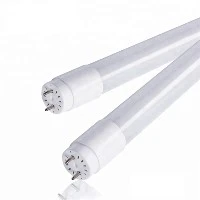
Benwei UV 120cm led tube black light Product Specification:
|
Item |
UV led light tube bulb T8 |
|
Input Volt |
AC85-265V |
|
Power |
10W,18W,24W |
|
Length |
60cm/2ft, 120cm/4ft, 150cm/5ft |
|
Bean Angle |
120°, 180° |
|
Lifespan |
50000 hrs |
|
Wavelength |
365nm 395nm 254nm 280nm |
|
Warranty |
3-5 years |