What are the different types of lighting?
Lighting, far from being a mere utility, is a sophisticated science and art form that fundamentally shapes our experience of space, influences our well-being, and enables our daily activities. From the soft glow that welcomes us home to the brilliant beams that illuminate stadiums, different types of lighting serve distinct purposes. Understanding these categories-by function, application, technology, and design-is key to making informed choices for any environment.
Categorization by Function and Design Purpose
The most intuitive way to classify lighting is by its intended role within a space.
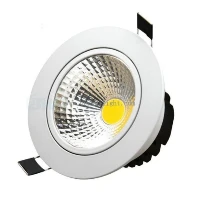
Ambient Lighting (General Lighting): This is the foundational layer, providing uniform illumination to ensure safe movement and a comfortable level of brightness without glare. It replaces natural sunlight after dark and sets the overall tone of a room. Examples include ceiling-mounted fixtures like flush mounts and chandeliers, as well as recessed downlights and LED strips that wash walls with light.
Task Lighting: As the name implies, this lighting is dedicated to specific activities requiring focused vision. It delivers concentrated, shadow-reducing light to a particular area to prevent eye strain. Desk lamps for reading, under-cabinet lights in kitchens, precision examination lights in clinics, and bright industrial workbench lights all fall into this essential category.
Accent Lighting: This is the dramatic, artistic layer of lighting design. Its goal is to draw the eye, create visual interest, and highlight architectural features or prized possessions like artwork, sculptures, or collectibles. Track lights, adjustable spotlights, and wall grazers are expertly used to create pools of light that add depth and dimension to a space.
Decorative Lighting: Here, the fixture itself is the ornament. The primary purpose is to serve as a visual centerpiece and enhance the aesthetic appeal of a room. A sparkling crystal chandelier, a sculptural table lamp, or vibrant neon signage are all forms of decorative lighting that make a style statement.
Categorization by Application and Environment
The setting for which lighting is designed dictates its form, robustness, and performance.
Residential Lighting: This encompasses all fixtures designed for homes, balancing comfort, style, and functionality for different rooms-from serene bedroom luminaires to easy-to-clean kitchen lights.
Commercial Lighting: Tailored for businesses, this category prioritizes ambiance to attract customers (retail), productivity and comfort in offices, and durability in hotels and restaurants. Energy efficiency is often a critical concern.
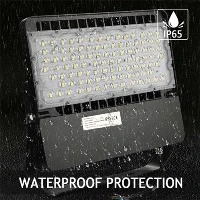
Industrial Lighting: Designed for harsh environments, these fixtures are workhorses built for high bays, warehouses, and manufacturing plants. They offer high lumen output, extreme durability, and features like dustproof and waterproof (IP65/IP66) ratings, often seen in vapor-proof lights and high-bay LED luminaires.
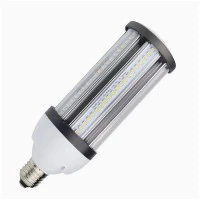
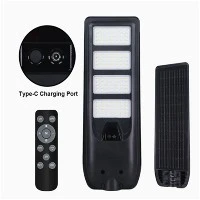
Outdoor Lighting: This broad category includes everything from streetlights and security floodlights to subtle landscape lighting for pathways and gardens, designed to withstand the elements.
Specialized Lighting: This includes highly technical fixtures for niche applications, such as UV-C disinfection lights, full-spectrum grow lights for horticulture, and color-accurate lights for photography and art restoration.
The Technological Revolution: From Incandescent to LED
The heart of any fixture is its light source, and technology has undergone a revolution.
Traditional Sources: Once ubiquitous, incandescent, halogen, and fluorescent lamps are now largely phased out or specialized due to their high energy consumption and shorter lifespans.
LED Lighting: Light Emitting Diode technology is the undisputed present and future of illumination. LEDs offer unparalleled energy efficiency, incredibly long lifespans (50,000+ hours), compact sizes for innovative designs, and excellent controllability. They form the basis for everything from smart bulbs to advanced architectural lighting systems.
Next-Generation Sources: Technologies like OLEDs (Organic LEDs), which provide diffuse, glare-free surface lighting, and lasers are pushing the boundaries of what's possible in design and performance.
The Final Layer: Control and Intelligence
Modern lighting is defined by how we control it. The simple on/off switch has evolved into dimmers, motion sensors, and smart systems integrated into the Internet of Things (IoT). Today's lighting can be managed via apps, voice commands, and automated schedules, adapting to our needs and maximizing energy savings.
In conclusion, lighting is a multifaceted tool. The ideal lighting scheme often combines multiple types-ambient, task, and accent-from a range of technological solutions, all potentially orchestrated by intelligent control. By understanding this diverse taxonomy, we can move beyond simply illuminating darkness to crafting light that enhances our lives, work, and well-being.