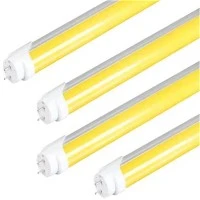
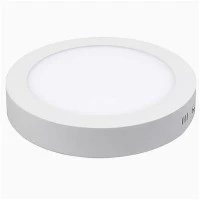
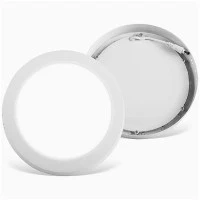
For commercial buildings, industrial facilities, and residential complexes, LED emergency lights are essential to safety and disaster readiness. These lighting solutions ensure a safe evacuation and the continuous operation of vital systems by providing illumination during emergencies or power outages. Despite its extended lifespan and reputation for durability, LED emergency lights require regular maintenance and service to be effective when required most.
The best practices for maintaining and servicing LED emergency lights are examined in this article, along with routine inspections, cleaning methods, battery maintenance, regulatory compliance, and troubleshooting strategies.

Recognise the components of the system
It's critical to comprehend the essential elements of an LED emergency lighting system prior to putting a maintenance schedule into place:
LED Light Source: Energy-efficient and long-lasting.
In the event of a power outage, the battery backup powers the light.
Battery charge is maintained via the charging circuit.
Test Button & Indicator Lights: Show system status and enable manual testing.
Hardware for housing and mounting: Provides component protection and guarantees correct installation.
When being inspected and serviced, each of these components has to be attended to.
Create a Schedule for Regular Maintenance
One of the best strategies to guarantee the dependability of LED emergency lights is to establish a regular maintenance program. This is a proposed timeline:
Monthly Checks: Visually examine every unit for indications of physical deterioration using a 30-second functional test.
To make sure the light runs on battery power, press the test button.
Verify the indication lights, which are typically red for a malfunction and green for proper performance.
Clear the light's housing and surface of any dust or dirt.
Annual Checks (full-function exam, 90 minutes):
To make sure the battery lasts the necessary amount of time, do a full-duration test.
Make sure the lighting satisfies the bare minimum of safety requirements.
In a maintenance record, include the outcomes, including any units that failed.
Conduct Extensive Visual Examinations
Visual examinations have to consist of:
External Condition: Look for discolouration, rust, or fractures.
Mounting Integrity: Verify that the device is appropriately pointed and firmly secured.
Labels and Signs: Verify that emergency exit signs are clearly visible and well-lit.
Wiring: Keep an eye out for any exposed or broken wires that can be dangerous.
Before a real emergency arises, visual inspections assist in identifying problems that can cause failure.
Spotless Fixtures Appropriately
The amount of light that LED emergency lights emit might be decreased by dust and dirt accumulation. To ensure safe cleaning, adhere to following steps:
Before cleaning, turn off the electricity.
For the outside, use a dry cloth or a slightly moist, lint-free cloth.
Steer clear of abrasive items and harsh chemicals.
Make sure there are no obstructions in the ventilation apertures.
Frequent cleaning prolongs the fixture's life and improves performance.
Upkeep and Replacement of Batteries
One essential part of LED emergency lights is the battery. The majority of units make use of lithium-ion, nickel-cadmium (NiCd), or nickel-metal hydride (NiMH) batteries. Among the best practices are:
Verify Battery Charge: Make sure the battery is charged correctly by using the test feature.
Check for Swelling or Leakage: Replace batteries that exhibit physical deterioration.
Replace Batteries Often: Even if a battery seems to be operating correctly, it usually has to be replaced every three to five years.
Dispose Properly: Comply with regional battery recycling laws.
Proactive battery management is crucial since one of the most frequent problems with emergency lights is battery failure.
Maintain Accurate Upkeep Documents
Building safety laws and fire codes sometimes call for documentation. Documents ought to contain:
Date of testing and inspections.
names of the workers who are doing the task.
An explanation of any problems discovered.
Measures implemented (e.g., fixture repair, battery replacement).
outcomes of tests of duration.
In addition to guaranteeing compliance, accurate record-keeping offers useful information for trend analysis and preventative maintenance.
Adhere to the manufacturer's guidelines
When looking for detailed maintenance and servicing instructions, always consult the manufacturer's handbook. Manufacturers might offer:
suggested time intervals for tests.
certain component numbers and kinds of batteries.
Installation instructions.
charts for troubleshooting.
Warranty voiding and safety compromising might result from using unapproved parts or from not following instructions.
Verify adherence to standards and codes
LED emergency lighting systems need to abide with both national and municipal laws, including:
NFPA 101: Code for Life Safety
OSHA Rules
The IBC, or International Building Code
Requirements for Local Fire Marshals
The frequency of testing, performance standards, and location of emergency lights are determined by these codes. To make sure your system stays compliant, keep abreast of any modifications.
Employees in Train Maintenance
Your maintenance staff will be able to conduct inspections, spot issues, and replace parts accurately provided they have received the right training. Training ought to consist of:
protocols for safety (such as electrical separation).
knowledge of test protocols.
Interpreting and reading indicator lights.
resolving typical problems.
System dependability is increased and failure risk is decreased by a well-trained workforce.
Modernise Antiquated Systems
Older emergency lights could not function well or use enough energy when necessary technology advances quickly. Upgrade to more recent LED models if:
Tests are often unsuccessful.
It is difficult to locate replacement components.
It uses a lot of energy.
There are not enough exit signs visible.
Smart diagnostics and remote monitoring are common features of newer systems, which make maintenance easier.
When feasible, use remote monitoring
Self-diagnostics and remote monitoring capabilities may be available in sophisticated emergency lighting systems. These enable you to:
automatically identify errors.
Set up tests from a distance.
Receive notifications when maintenance is required.
Over time, remote monitoring can save labour costs and improve dependability, although being more expensive initially.
Resolving Typical Problems
Typical issues with LED emergency lights include the following:
If the light does not turn on during the test, check the wiring, test button, and battery charge.
If the indicator light is red or off, consult the handbook to learn the significance of the fault codes or statuses.
If the light flickers or is dim, replace the broken LEDs, clean the lens, or check the condition of the battery.
If the unit does not hold charge, the battery probably has to be changed.
Failure in an emergency can be avoided by taking prompt action to address these problems.
For the sake of life safety, legal compliance, and general facility preparedness, LED emergency lights must be maintained and serviced. Regular testing, visual examination, cleaning, battery care, and thorough record-keeping are all components of a well-designed maintenance program. The efficiency of your emergency lighting system may be further increased by adhering to current standards, providing enough training for employees, and implementing contemporary technology.
You can make sure your LED emergency lights are always operational when it counts most by adhering to these best practices.