Thanks to its non-invasiveness, safety, and adaptability, LED (Light Emitting Diode) therapy has evolved from a specialised dermatological treatment to a popular skincare and wellness tool. LED devices use certain light wavelengths to cause biochemical responses in the skin and tissues, which can help with everything from acne removal to faster wound healing. This article describes how various wavelengths of LED therapy address different issues and examines the clinically proven cosmetic and therapeutic benefits of the treatment.
Overview of LED Treatment
LED treatment, also known as photobiomodulation (PBM), interacts with biological components, mainly mitochondria, by using certain light wavelengths (visible red, blue, and near-infrared). These connections maximise cellular performance, promote repair, and lessen inflammation. LED light is appropriate for frequent usage at home or in clinics since it doesn't produce heat or harm the skin as lasers do.
Advantages of LED Therapy for Cosmetics
A. Rejuvenating Skin and Preventing Ageing
The mechanism
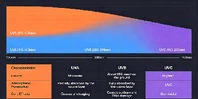
Collagen and elastin, the proteins that give skin its firmness and elasticity, are produced by fibroblasts when red light (630–700 nm) enters the dermis.
By improving microcirculation, near-infrared light (700–850 nm) provides skin cells with oxygen and nutrients.
Proof:
According to a 2014 research published in Photomedicine and Laser Surgery, individuals who received red LED Therapy lights twice a week for 30 days saw an improvement in skin smoothness and a 36% decrease in wrinkles.
According to a study published in Dermatologic Surgery, regular exposure to red light might boost collagen production by up to 31%.
Findings:
decreased sagging, wrinkles, and fine lines.
improved tone and texture of the skin.
B. Preventing and Treating Acne
The mechanism
The bacteria that causes acne, Cutibacterium acnes (formerly known as Propionibacterium acnes), is targeted by blue light (405–470 nm). Through oxidative stress, it breaks down the membranes of bacteria.
Red light prevents blocked pores by lowering irritation and sebum production.
Proof:
Blue LED treatment decreased inflammatory acne lesions by 60–70% after 8 weeks, according to a 2017 research published in the Journal of Clinical and Aesthetic Dermatology.
Within 12 weeks, 85% of subjects who received combined blue and red light treatment (as demonstrated in Acta Dermato-Venereologica) had their moderate acne resolved.
Findings:
less redness and fewer aggressive outbreaks.
preventing recurrent outbreaks of acne.
C. Damage from Sunlight and Hyperpigments
The mechanism
Red and near-infrared light helps shed pigmented cells by speeding up cell turnover.
By reducing oxidative stress and inflammation, LED treatment prevents the synthesis of melanin.
Proof:
In comparison to topical therapies alone, LED therapy plus topical brightening agents decreased melasma severity by 45%, according to a 2020 study published in Lasers in Medical Science.
Findings:
Sunspots, post-inflammatory hyperpigmentation, and faded dark spots.
skin tone that is more even and bright.
D. Rosacea and Reduction of Redness
The mechanism
The anti-inflammatory qualities of red light reduce facial flushing and sensitivity by downregulating cytokines such as TNF-α and IL-6.
Proof:
After six weeks of red LED therapy, rosacea patients' skin barrier function improved and their redness decreased by 42%, according to a 2019 study published in Clinical, Cosmetic, and Investigational Dermatology.
Findings:
Skin that is calmer and less reactive.
decreased erythema and visible blood vessels.
LED Therapy's Therapeutic Advantages
A. Quicker Healing of Wounds
The mechanism
Collagen synthesis and fibroblast activity are fuelled by red and near-infrared light, which increases ATP generation.
Improved angiogenesis, or the growth of new blood vessels, enhances the supply of nutrients and oxygen to wounds.
Proof:
According to a 2021 meta-analysis published in Wound Repair and Regeneration, near-infrared LED treatment shortened the healing period for diabetic ulcers by 35%.
According to Burns & Trauma, red light treatment for burn victims resulted in 50% quicker re-epithelialization than normal therapy.
Uses:
burns, persistent wounds (such as diabetic ulcers), and scars from surgery.
B. Muscle Recovery and Pain Reduction
The mechanism
Near-infrared light penetrates muscles and joints, decreasing inflammation and inhibiting pain signals via endorphin production.
Proof:
A 2018 research in The Journal of Athletic Training revealed LED treatment decreased muscular soreness by 47% in athletes following strenuous exercise.
Patients with osteoarthritis (per Rheumatology International) reported 40% decreased pain after 4 weeks of near-infrared therapies.
Uses:
Sports injuries, arthritis, and post-workout recuperation.
C. Hair Growth Stimulation
The mechanism
The anagen (growth) phase of the hair cycle is prolonged and hair follicle stem cells are stimulated by red light (650 nm).
Proof:
After receiving red LED treatment for 24 weeks, individuals with androgenetic alopecia had a 39% increase in hair density, according to a historic 2014 experiment published in Lasers in Surgery and Medicine.
Findings:
fuller, thicker hair when thinning or pattern baldness is present.
D. Decrease in Swelling and Inflammation
The mechanism
LED light stimulates anti-inflammatory mediators like IL-10 and inhibits pro-inflammatory cytokines like IL-1β.
Proof:
In a 2020 research published in the Journal of Inflammation Research, red LED treatment reduced post-operative oedema in patients by 60% compared to controls.
Uses:
recuperation after surgery, sprains, and inflammatory skin diseases (like eczema).
LED Treatment for Sleep and Mental Health
New Advantages:
Transcranial application of near-infrared light may enhance mood and cognitive performance by boosting mitochondrial activity and cerebral blood flow.
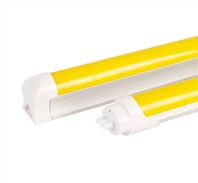
Melatonin synthesis is regulated by amber light (590 nm), which improves the quality of sleep.
Proof:
After six weeks of near-infrared LED treatment lights, a 2022 pilot research published in Frontiers in Neuroscience found that anxiety and depression levels decreased by 30%.
Adequacy and Safety
Minimal Side Effects: LED treatment is non-invasive and non-thermal, in contrast to UV light or lasers. There may be a brief dryness or redness.
Skin Tone Considerations: Red and blue light are effective on all skin tones, however because of melanin absorption, near-infrared may be less effective on darker skin.
FDA-Cleared Devices: For products with demonstrated safety and effectiveness, look for FDA-cleared choices (such as Déesse Pro masks and Neutrogena Light Therapy Mask).
Professional vs. At-Home Technology
At-home devices, such the CurrentBody Skin LED Mask, have lower irradiance (power) but are nevertheless practical for everyday usage. Ideal for upkeep.
Clinical Devices: For serious issues, higher irradiation (such as Omnilux Contour) produces quicker outcomes.
Integrating LED Therapy with Additional Therapies
Skincare: To promote collagen formation, combine with serums containing hyaluronic acid or vitamin C.
Procedures: To hasten recovery, use microneedling or post-microdermabrasion.
Restrictions and Things to Think About
Regular usage is essential for the benefits (3–5 sessions per week for 4–12 weeks).
Not a Miracle Cure: Best used in conjunction with a skincare routine and healthy lifestyle.
LED treatment light devices provide a flexible, scientifically supported option for both therapeutic and cosmetic purposes. The advantages are numerous and well-established, ranging from curing chronic wounds and reducing muscular soreness to reversing the effects of ageing and clearing up acne. LED technology is becoming more and more established in integrative dermatology and wellness as research progresses, offering a safe and easily available tool for better skin and body health.

https://www.benweilight.com/professional-lighting/led-therapy-light/led-therapy-light-face-care.html