Why Do Butchers Use Pink Light?
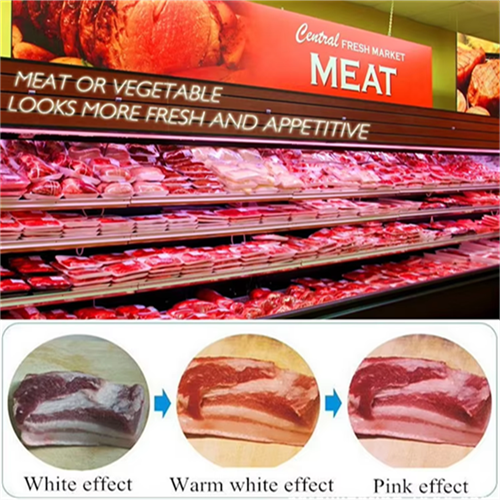
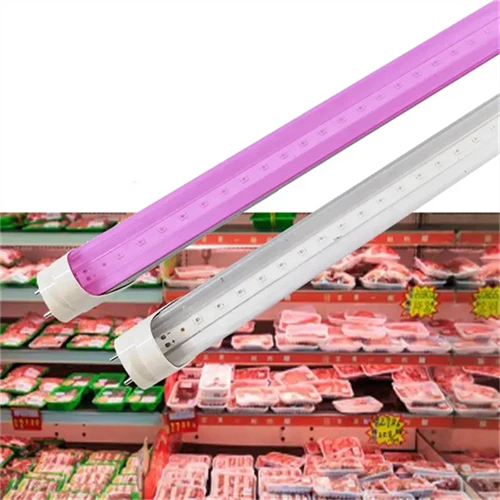
Walk into a butcher shop, and you'll likely notice a distinct ambiance: the meat cases glow with a soft, warm light that leans toward pink. This deliberate choice isn't arbitrary-it's a strategic decision rooted in science, consumer psychology, and the practical needs of preserving meat quality. Pink light, often a blend of red and subtle warm white wavelengths, plays a critical role in making meat appear fresh, appealing, and desirable to customers. To understand why butchers rely on this hue, we must explore how light interacts with meat's biology, how humans perceive freshness, and the balance between presentation and preservation.
At the core of meat's visual appeal is a protein called myoglobin, which gives red meat its characteristic color. In fresh meat, myoglobin binds with oxygen to form oxymyoglobin, creating a bright, cherry-red shade that consumers associate with freshness. Over time, however, this molecule breaks down into metmyoglobin, resulting in a dull brown or gray color-a transformation that occurs even if the meat is still safe to eat. Light accelerates this process, but the rate depends on the light's wavelength. Blue or ultraviolet (UV) light, for example, speeds up myoglobin degradation, while red light slows it. Pink light, which leans heavily on red wavelengths (around 600–700 nanometers) with a hint of warm white, strikes a unique balance: it slows myoglobin oxidation while enhancing the natural red tones of the meat.
Butchers use pink light primarily because it flatters meat's natural color. Human eyes are highly sensitive to red and pink hues, and these wavelengths amplify the brightness of oxymyoglobin. When meat is bathed in pink light, the red tones appear more vivid, and the meat looks "fresher" than it might under cooler or bluer light. This is no trivial matter: studies show that 70% of consumers judge meat's freshness based on its color alone. A steak that looks dull under fluorescent light can appear juicy and vibrant under pink light, directly influencing purchasing decisions. For butchers, whose livelihood depends on selling high-quality meat, this visual enhancement is a powerful tool for attracting customers.
Pink light also masks subtle signs of aging that might otherwise deter buyers. Even freshly cut meat can develop minor discoloration at the edges due to exposure to air or slight temperature fluctuations. Under harsh white or blue light, these imperfections become noticeable-think faint brown spots on a roast or a dull edge on a steak. Pink light, with its warm, diffused glow, softens these flaws. The red wavelengths blend with the meat's natural color, creating a uniform appearance that suggests consistency and freshness. This isn't about deception; rather, it's about presenting meat in its best possible light, ensuring that minor, harmless changes don't overshadow its actual quality.
Beyond aesthetics, pink light supports meat preservation better than many alternative lighting options. Traditional fluorescent lights, once common in butcher shops, emit high levels of blue and UV light, which accelerate myoglobin breakdown and lipid oxidation (the process that causes fats to turn rancid). Incandescent bulbs, while warmer, produce significant infrared (IR) radiation, which generates heat. This heat raises the surface temperature of meat in display cases, speeding up bacterial growth and spoilage. Pink LED lights, by contrast, are engineered to minimize harmful wavelengths: they reduce blue and UV output to slow oxidation, and their low heat emission (a hallmark of LED technology) helps maintain a stable, cool environment in meat cases. This dual benefit-enhancing appearance while slowing spoilage-makes pink light a practical choice for butchers aiming to extend shelf life.
The specific spectrum of pink light is also tailored to complement different types of meat. Beef, with its high myoglobin content, responds exceptionally well to pink light, as the red wavelengths intensify its rich, marbled appearance. Pork, which has less myoglobin and tends toward a paler pink, benefits from the warm white component in pink light, which prevents it from looking gray or washed out. Even poultry, though lighter in color, appears more appetizing under pink light: the subtle red tones enhance the golden-pink hues of fresh chicken or turkey, making them look plump and tender. This versatility allows butchers to use a single lighting scheme across various meats, simplifying display setups while maintaining consistent appeal.
Consumer psychology further explains the preference for pink light. Warm colors like pink and red evoke feelings of comfort, warmth, and abundance-emotions that align with the idea of hearty, satisfying meat. In contrast, cool blue or white light can feel clinical or uninviting, making meat seem less approachable. Studies in environmental psychology show that warm lighting in retail spaces increases customer satisfaction and dwell time; in butcher shops, this translates to customers spending more time examining products and being more likely to make a purchase. Pink light also creates a nostalgic, artisanal vibe, which resonates with modern consumers seeking "authentic" or "handcrafted" products-qualities that butchers often emphasize to differentiate themselves from supermarket meat counters.
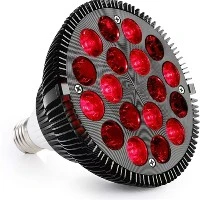
Pink light's role in meat display has evolved with technology. Early butchers relied on incandescent bulbs with pink filters to achieve the desired hue, but these were inefficient and generated excess heat. Today, LED technology has revolutionized pink lighting: modern pink LED systems are energy-efficient, long-lasting, and customizable. Butchers can adjust the intensity and exact shade of pink-some lean more toward red, others include a touch of amber-to suit their specific products or brand aesthetic. These LEDs also emit minimal UV and IR radiation, addressing the preservation concerns of traditional lighting. For small-scale butchers, this means lower energy bills and less frequent bulb replacements, while for larger operations, it ensures consistent lighting across multiple display cases.
Critics sometimes argue that pink light could mislead consumers by hiding signs of spoilage, but responsible butchers pair pink lighting with strict quality control. The goal is not to disguise bad meat but to present fresh meat in its most accurate, appealing form. In fact, pink light can enhance transparency: by making the meat's texture and marbling more visible, it allows customers to inspect the product closely. A skilled butcher will also educate customers about how to judge meat quality beyond color-such as checking for firmness or a fresh scent-ensuring that the lighting complements, rather than replaces, honest assessment.
The choice of pink light also reflects cultural norms around meat consumption. In Western cultures, red meat is often associated with strength, nourishment, and celebration, and pink light reinforces these associations. A holiday ham or a Sunday roast, bathed in pink light, looks more festive and indulgent, tapping into traditions of sharing meals with family. In markets where meat is sold as a luxury item, pink light elevates its perceived value, making it feel worth the premium price. Even in more casual settings, the warm glow of pink light creates a welcoming atmosphere that encourages customers to engage with the butcher and ask questions, fostering trust and loyalty.
It's important to note that pink light is not a one-size-fits-all solution. Butchers may adjust the light's intensity based on the time of day-brighter during peak hours to highlight products, dimmer in the evening to conserve energy. They may also use pink light in combination with other hues in different parts of the shop: cooler white light for signage or prep areas, where clarity is key, and pink light exclusively for the meat cases. This segmentation ensures that the focus remains on the meat's appeal while maintaining functionality elsewhere.
In recent years, advances in LED technology have made pink light even more effective. Smart systems now allow butchers to fine-tune the spectrum based on the meat's age: for newly cut meat, a brighter pink enhances its vividness; for meat approaching the end of its display life, a softer pink can maintain its appeal without overstating freshness. Some systems even sync with refrigeration units, adjusting light intensity if temperatures rise, to further protect meat quality. These innovations underscore that pink light is not just about aesthetics but part of a holistic approach to meat handling.
In summary, butchers use pink light for a compelling blend of scientific, psychological, and practical reasons. Its red-dominant spectrum slows myoglobin oxidation, preserving meat's fresh red color, while its warm glow enhances visual appeal and triggers positive consumer associations with freshness. Unlike harsh or cool lighting, pink light masks minor discoloration, supports longer shelf life through low heat emission, and works across different meat types. By balancing presentation with preservation, pink light helps butchers attract customers, reduce waste, and uphold their reputation for quality. In the end, it's more than just a light-it's a tool that bridges biology, psychology, and commerce to showcase meat at its best.
Together, we make it better.