LED lamps used in hospitals need to meet very strict requirements, not only to ensure the accuracy and efficiency of medical work, but also to consider the comfort and safety of patients' recovery, and to meet the special specifications of the medical environment. The following are the key features that hospital LED lamps need to have:
1. Core medical function requirements
Ultra-high color rendering index:
Requirement: Usually Ra > 90, or even Ra > 95 (especially in operating rooms, diagnostic areas, treatment rooms, pharmacies, laboratories).
Reason: Doctors need to accurately identify tissue color (skin, blood, organs), drug color, reagent color, wound condition, etc. to ensure the accuracy of diagnosis and treatment. Low color rendering can cause color distortion and may cause misjudgment.
Accurate color fidelity and saturation:
Requirement: High R9 value (ability to reproduce saturated red).
Reason: Color recognition of blood, certain tissues, and inflammatory areas is crucial for medical diagnosis, and high R9 values can more realistically restore these key red tones.
Dimmable and color temperature:
Requirement: In areas such as wards, consulting rooms, and rest areas, lamps should be able to smoothly and flicker-free adjust brightness and color temperature (for example, from cool white light to warm white light).
Reason:
Patient comfort and circadian rhythm: Use low brightness, low color temperature (warm light) lighting at night to reduce interference with patients' sleep, support their natural circadian rhythm, and promote recovery. Higher brightness, higher color temperature (cold light) lighting can be used during the day or during examinations to stay awake and efficient.
Demands for different medical activities: Cleaning, examination, and treatment may require light of different brightness and atmosphere.
Create a comfortable atmosphere: Warm light usually makes people feel more relaxed and comfortable.
High illumination and uniformity:
Requirement: Specific areas (such as operating rooms, treatment rooms, examination rooms, nurse stations, and pharmacies) require very high illumination levels and ensure that the light is evenly distributed without strong glare and shadows.
Reason: Provide sufficient and uniform light for delicate medical operations, wound treatment, instrument reading, drug sorting, etc., to reduce visual fatigue and the risk of errors.
2. Health and safety requirements
Requirement: A high-quality driver must be used to ensure that there is no perceptible flicker.
Reason:
Visual comfort and health: Flicker can cause eye fatigue, headaches, and distraction for medical staff and patients.
Interference with medical equipment: Severe flicker may interfere with some sensitive medical electronic equipment (such as cameras, certain monitors).
Risk of epilepsy: A very small number of patients may be sensitive to flickering at a specific frequency.
Low blue light hazards:
Requirement: Especially in night lighting or long-term stay areas (such as wards, corridor night mode), low blue light (RG0 or RG1 level) LED light sources should be selected.
Reason: Reduce the inhibition of melatonin secretion by blue light at night, and protect the sleep quality and circadian rhythm of patients and night shift workers.
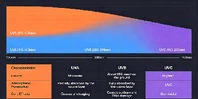
Requirement: High-quality LED lamps should not emit ultraviolet (UV) and infrared (IR).
Reason:
Protect sensitive items: Prevent drugs, reagents, photosensitive materials, etc. from degradation or deterioration due to UV exposure.
Patient comfort and safety: Avoid unnecessary heat radiation (infrared) and potential damage to skin and eyes caused by UV.
Sterile environment: Reduce the possibility of UV attracting insects (some areas).
High protection level:
Requirement: Different areas have different requirements:
Operating room, clean area, disinfection supply center, laboratory, toilet, waste treatment area: High waterproof and dustproof level (such as IP65 or higher) is required to facilitate thorough flushing and disinfection.
Ordinary area: A certain dustproof ability (such as IP20 or above) is also required.
Reason: Maintain cleanliness and hygiene to prevent dust and liquid (especially corrosive disinfectants and body fluids) from entering the lamp to cause damage, short circuit or become a source of pollution.
Antibacterial property:
Requirement: The surface of the lamp (especially the areas that are frequently touched or difficult to clean) should preferably have an antibacterial coating or use antibacterial materials.
Reason: Inhibit the growth and spread of bacteria on the surface of the lamp, reduce the risk of hospital infection, and meet the strict hospital infection control requirements.
Requirement: Use optical designs such as deep hidden light sources, grilles, microprisms, and diffusers to effectively control direct glare and reflected glare. The unified glare value should meet relevant standards.
Reason: Improve visual comfort, reduce visual fatigue of medical staff, create a more relaxing environment for patients, and avoid strong light directly hitting the eyes.
Electromagnetic compatibility:
Requirement: Must comply with the electromagnetic compatibility standards of medical equipment.
Reason: Prevent electromagnetic interference generated by LED lamps or their driving power supplies from affecting the normal operation of highly sensitive medical electronic equipment in the hospital (such as ECG monitors, ventilators, MRI, etc.) to ensure medical safety.
3. Reliability and operation and maintenance requirements
Extremely long life and high reliability:
Requirement: Long service life (usually required to be >50,000 hours), low failure rate.
Reason: Reduce replacement frequency, reduce maintenance costs and interference of maintenance work on medical activities, and ensure the continuous and stable operation of the lighting system. The hospital operates 24 hours a day, and the reliability of lamps is crucial.
Easy to clean and disinfect:
Requirement: The lamp design should have a smooth surface, no gaps, and no dead corners. The material can withstand repeated wiping with strong disinfectants commonly used in hospitals (such as chlorine-containing disinfectants, alcohol, etc.) without corrosion or aging.
Reason: Convenient for daily cleaning and terminal disinfection, meeting the high standards of hospital hygiene requirements.
Easy to maintain and replace:
Requirement: Modular design, easy to quickly disassemble and replace light sources or driver modules, preferably hot-swappable.
Reason: Minimize maintenance time and maintenance difficulty to ensure the normal operation of the lighting system.
Energy saving and high efficiency:
Requirement: High light efficiency, reduce energy consumption as much as possible while meeting lighting needs.
Reason: Hospitals are big energy consumers, and lighting accounts for a large proportion. LED itself has the advantage of high light efficiency. Choosing high-efficiency lamps can significantly reduce operating costs and carbon emissions.
IV. Environment and atmosphere requirements
Good light distribution and comfort:
Requirement: In addition to uniformity, light should create a comfortable, quiet and safe atmosphere.
Reason: Relieve patient anxiety and stress, improve medical experience, and create a more pleasant working environment for medical staff. This is especially important in corridors, waiting areas, wards and other areas.
Emergency lighting compatibility:
Requirement: The lamp design or system should be easily integrated or compatible with the hospital's emergency lighting and evacuation indication system.
Reason: Ensure that key areas are still illuminated in emergency situations (such as power outages) to ensure the safe evacuation of personnel.
The selection of LED lamps in hospitals is a comprehensive system project that must simultaneously meet the requirements of precision medical functions, personnel health and safety, strict environmental hygiene, high reliability operation and maintenance, and comfortable atmosphere creation. When purchasing, you should not only focus on price and basic brightness, but also examine the above key features in depth and choose high-quality products that meet the standards and specifications of the medical industry. It is recommended to consult a professional medical lighting designer or supplier to design customized lighting solutions based on the specific needs of different functional areas of the hospital.
If you have lighting needs for specific hospital areas (such as operating rooms, wards, corridors, outpatient clinics, etc.), I can provide more specific suggestions on http://www.benweilight.com