UV light, or ultraviolet light, is often used in a variety of applications, from medical and scientific research to commercial and industrial uses. One specific type of UV light that has gained popularity in recent years is 365 nm UV light.
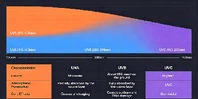
So, what is 365 nm UV light used for exactly? Well, for starters, this type of UV light falls into the UVA category, which means it has a wavelength of 320-400 nm. This makes it a safe and effective option for many purposes, as it's less intense than some other types of UV light.
One common use for 365 nm UV light is in UV curing, which is a process of curing or hardening materials such as adhesives, coatings, and inks. This type of UV light is often used in printing applications, as it allows the printed materials to dry and harden quickly. Additionally, 365 nm UV light can be used in the manufacturing of electronics and in other industrial processes where curing is necessary.
Another use for 365 nm UV light is in forensic science. This type of light is often used to detect and analyze biological substances such as blood, semen, and saliva. This is possible because the UV light causes certain substances to fluoresce, or emit visible light, making it easier to identify them. This can aid in criminal investigations and other types of forensic work.
In addition, 365 nm UV light has also been used in healthcare settings. One example is phototherapy, which is a treatment used to reduce high bilirubin levels in newborns and other patients. The light therapy works by breaking down bilirubin in the blood, which can help prevent or reduce jaundice. 365 nm UV light can also be used to disinfect surfaces and equipment in hospitals and other healthcare facilities.
Finally, 365 nm UV light has been used in scientific research, particularly in the study of photosynthesis in plants. This type of UV light can be used to stimulate certain reactions in plants, allowing researchers to better understand the photosynthesis process.
Overall, 365 nm UV light has many practical uses, from industrial production to forensic science and beyond. As research into this type of light continues, it's likely that even more applications will be discovered in the years to come.