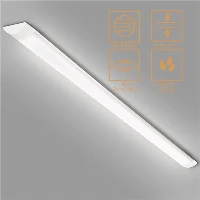
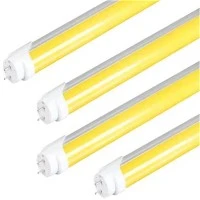
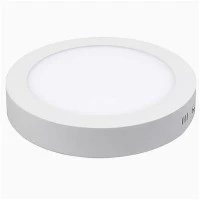
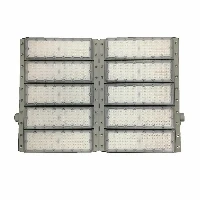
Emergency light fittings play a crucial role in providing illumination during unexpected power outages and other emergencies. These devices are installed in buildings to provide an immediate source of light when regular lighting fails, allowing people to safely evacuate the premises or continue performing crucial tasks.
In essence, emergency light fittings are designed to work as a backup lighting source, automatically turning on when power outages or emergency situations arise. They typically use rechargeable batteries or other backup power sources to ensure they stay operational even when the electricity supply is cut off.
There are different types of emergency light fittings available today, ranging from basic wall-mounted fixtures with backup batteries to more advanced systems that incorporate computer control, self-testing features and remote connection capabilities. Some emergency light fittings are also capable of providing directional guidance and can be fitted with other safety features, such as smoke detectors and alarms to further enhance safety.
There are various regulations in place governing the use of emergency light fittings in different jurisdictions. For example, in the UK, emergency lighting must meet certain standards to ensure that they are safe, reliable and effective.
Emergency light fittings are typically used in public buildings where large numbers of people may be present, such as hospitals, schools, factories, shopping malls, and commercial buildings. They can also be used in residential areas to provide extra safety and security during power outages, flash floods, or other emergencies.
Overall, emergency light fittings are an essential tool for ensuring safety and security during unexpected power outages and other emergency situations. By providing a reliable source of illumination, they can help to prevent accidents, protect people from harm, and ensure the smooth functioning of essential tasks.